
Designing products once followed a linear path. Designers sketched ideas, developers coded, and the feedback loop between them took weeks, even months, before a product was officially launched. Today, that linear process is breaking down, thanks to AI.
AI is no longer just a feature within the product to make it look cool; it is now helping to design them from the ground up. For businesses and product developers, understanding this development can be powerful in shaping how they conceive, build, and improve what they bring to market.
If you want faster, smarter outcomes, read on. This article explains what AI product design is, provides practical strategies, and offers real-world examples that drive its impact and measurable value.
AI Product Design: Meaning and Scope
AI product design leverages machine learning and generative models to accelerate and enhance the product lifecycle. It helps generate ideas, visuals, and prototypes. It gathers and analyzes user feedback, industry trends, and competitors for real patterns.
AI-powered tools like Midjourney (visuals), Galileo (prototyping), Dovetail (research), and Khroma (styling) accelerate tasks so teams can focus on making and implementing strategies that move them closer to their goals. But as capable as AI is, it doesn’t replace human judgment. Strategists choose the problems to focus on and tools to use, and iterate continuously in context.
How AI Supports the Product Design Process
Artificial intelligence is more than just a prompt-and-forget tool. Applied strategically, it can accelerate and improve every stage of product design—from research and ideation through prototyping, iteration, and post-launch monitoring. Here’s how every process benefits from it.
AI for research and insights
User research can be slow and tedious. Thousands of user surveys get buried in spreadsheets because organizing and cleaning them takes so much time. Feedback comes in different formats, and responses can be all over the place.
With AI, designers can cut through the noise and extract scale-level insight fast.
Gathering, scraping, and tracking data
AI expands research beyond your existing user base by leveraging public data, such as reviews, social media mentions, search trends, and sales notes. It consolidates these sources to reveal patterns a human researcher would likely miss.
How AI helps:
- Runs sentiment analysis to quantify attitudes and show how sentiment evolves so you can act before frustration arises.
- Identifies unmet needs even before a consumer flags them.
- Anticipates and reveals emerging behaviors from search and engagement data.
- Creates actionable segments tied to product decisions, not just age or location.
- Alerts you to question biases so you can avoid producing skewed insights.
AI handles the tedious part of product design research. It transcribes and structures unstructured data, standardizes inconsistent responses, and filters out spam, off-topic comments, and duplicates. But the insights that actually influence your decisions still come from humans. You determine which patterns matter.
AI for ideation and concept development
AI widens the idea funnel and tests assumptions, so your team doesn’t anchor on the first plausible solution. Once you have the core concepts, you can proceed with moodboarding.
Visual inspiration and moodboarding
Moodboards translate ideas to visual direction, but they can be slow to create and vague for stakeholders. Not everyone can “imagine” at the snap of a finger. AI converts abstract briefs and user data into consistent visual languages across color, type, and imagery.
How AI helps:
- Extract mood from existing brand assets.
- Create accurate moodboards from actual user data.
- Dynamic moodboarding for different user segments.
- Testing moodboard alignment and relevance before design.
- Competitor moodboard analysis.
Keep a strategic designer at the helm. While AI speeds output, human judgment turns mood into usable interfaces.
AI for prototyping and testing
Prototyping requires quick, testable iterations, and AI can help by compressing the validation loop. It can test more ideas, get feedback faster, and spot problems before they explode.
Generating and testing multiple product variations
AI can test different layouts, features, copy, and user flows against each other, rather than investing in a single direction. It generates interactive prototypes that allow test participants to respond to tactile stimuli. AI also automates session analysis, enabling patterns to be easily detected rather than isolated anecdotes.
How AI helps:
- Converts wireframes into clickable prototypes.
- Predicts user behavior at scale to prioritize experiments.
- Generates accessibility and compliance reports early.
AI for iteration and optimization
Iteration is continuous refinement. AI gathers and analyzes usage data to show what users ignore, where they get stuck, and which small variations yield the biggest gains.
Personalizing experiences and detecting possible issues
AI helps rank fixes by impact and foresees maintenance needs. It spots behavioral triggers users rarely report—repeated mis-taps, error clusters, or abandonments—and recommends prioritization.
How AI helps:
- Automates visual regression testing.
- Optimizes performance and resource use.
- Predicts maintenance windows and component failure risk.
AI for launch and post-release improvement
Launch is never the end of a product lifecycle. Things can happen that might cause your product to fail. AI makes launches less surprising and post-release life more adaptive.
Monitoring performance and tracking anomalies
Whether you’re working on a medical device, industrial robot, or home appliance, AI learns normal product behavior and alerts you to anomalies early. It classifies incoming issues by severity and recurrence so teams can concentrate on fixes that matter most.
How AI helps:
- Analyzes warranty or incident data across thousands of products.
- Automates documentation updates—troubleshooting guides, training materials, and related content.
- Runs multiple virtual failure simulations to identify weak points in product design.
Key AI-Powered Tools that are Changing Product Design
Below are vital tools that map directly to the stages discussed above. Pick tools that fit your workflows and goals.
Idea generation AI tools
Miro generates user flows, wireframes, and session summaries inside collaborative meetings and workshops. It is good for visual brainstorming, documenting, and tracking meeting outputs.
UserTesting summarizes recorded research sessions, highlights hesitations and issues, and recommends follow-ups, so teams don’t have to rewatch every video.
Notion AI is for product managers and designers who already use Notion to organize their work. It summarizes notes, proposes concepts from existing documents, and speeds product-writing tasks. Note that it requires clean, well-organized documentation to work well.
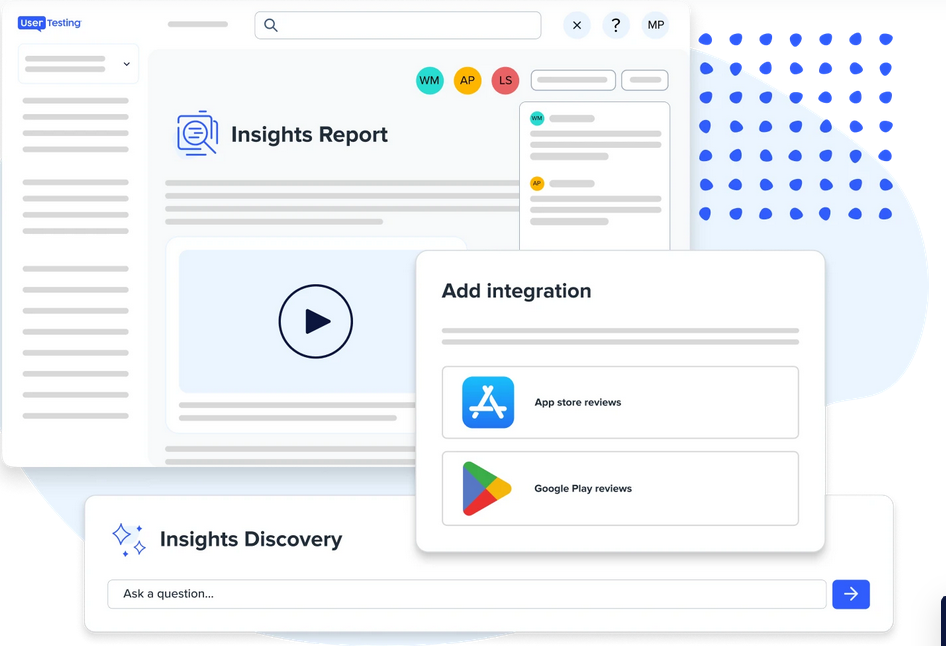
Insights Hub via UserTesting
Visualization AI tools
Midjourney converts text prompts into detailed images for moodboards. It can render images fast for visual exploration.
Vizcom, on the other hand, focuses on sketch-to-image workflows. It’s a great tool for iterating on hand-drawn concepts, and it allows designers to retain form control.
Galileo AI generates high-fidelity (almost accurate) UI mockups that map to real components and export to Figma for refinement, speeding UI generation from brief descriptions. Designers can tweak styles without starting over, and those changes are applied consistently across the entire design.
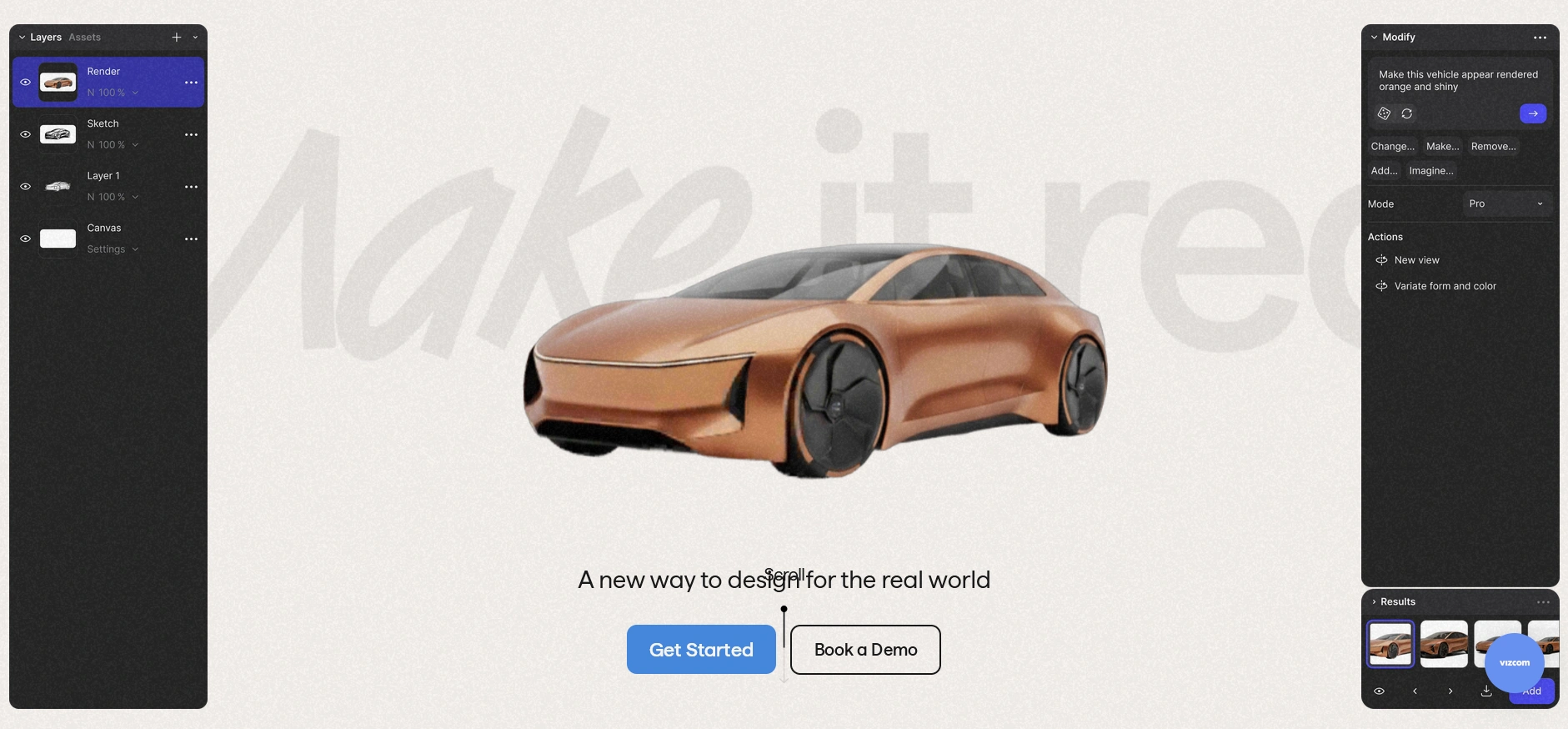
From sketches to realistic designs via Vizcom
Prototyping
Framer AI produces interactive web pages from prompts. It is useful for quickly testing landing pages and complex interactions. Framer AI supports complex microinteractions, scroll effects, and animations that simpler prototyping tools cannot.
Uizard is a beginner-friendly tool that converts photos of sketches or screenshots into editable designs. Think of it as a rapid, low-effort clickable prototype that non-designers can easily understand.
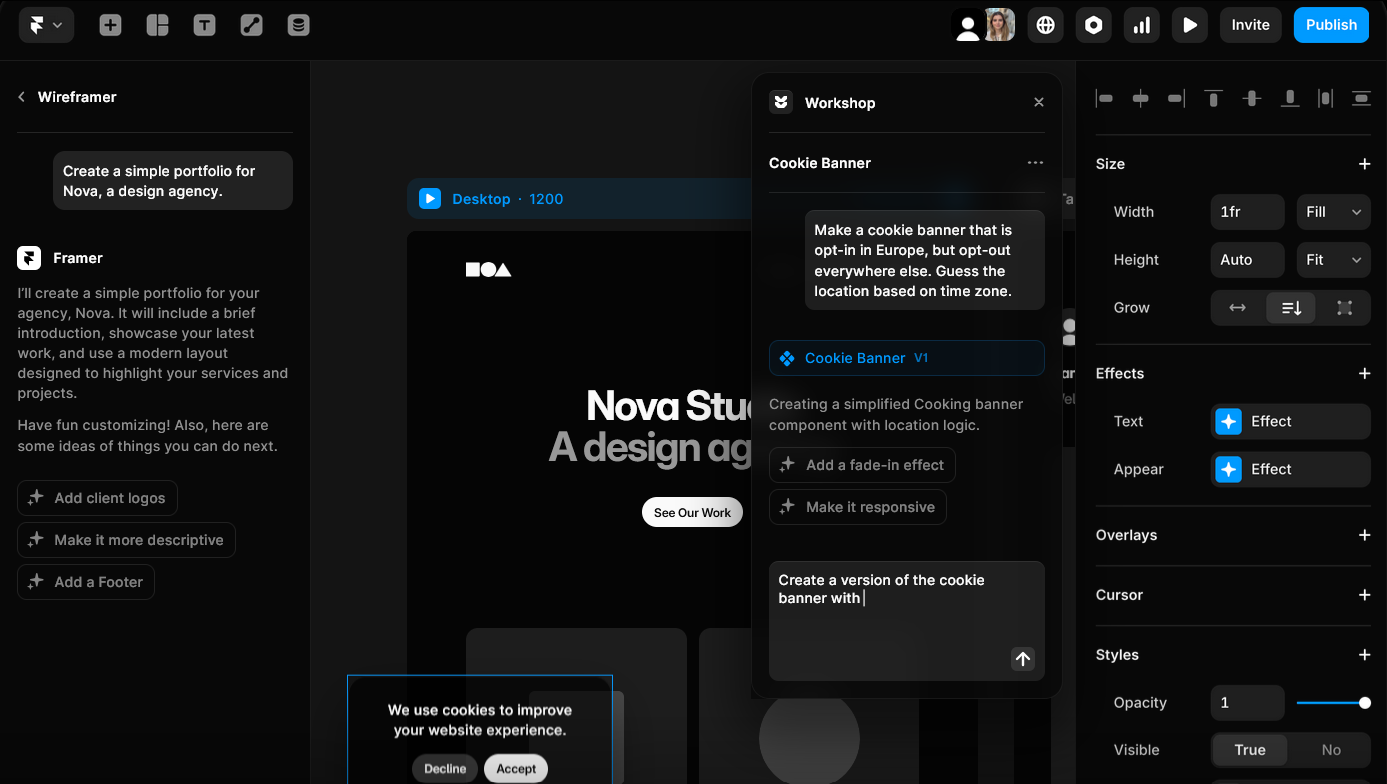
Create digital prototypes via Framer AI
Analytics
Hotjar AI analyzes session recordings and heatmaps for user behavior insights. It clusters feedback into themes and detects urgent issues for quick validation.
Mixpanel AI lets non-technical users query product data in plain English and receive trend alerts, making analytics accessible across teams. Problems are caught early, and opportunities are spotted before they disappear.
Looker (Google Cloud’s enterprise analytics platform) has integrated Gemini AI, changing how teams interact with it. It features natural-language querying and conversational memory so designers don’t have to rebuild queries each time. Looker is especially useful for scheduled reports and cross-team business intelligence.
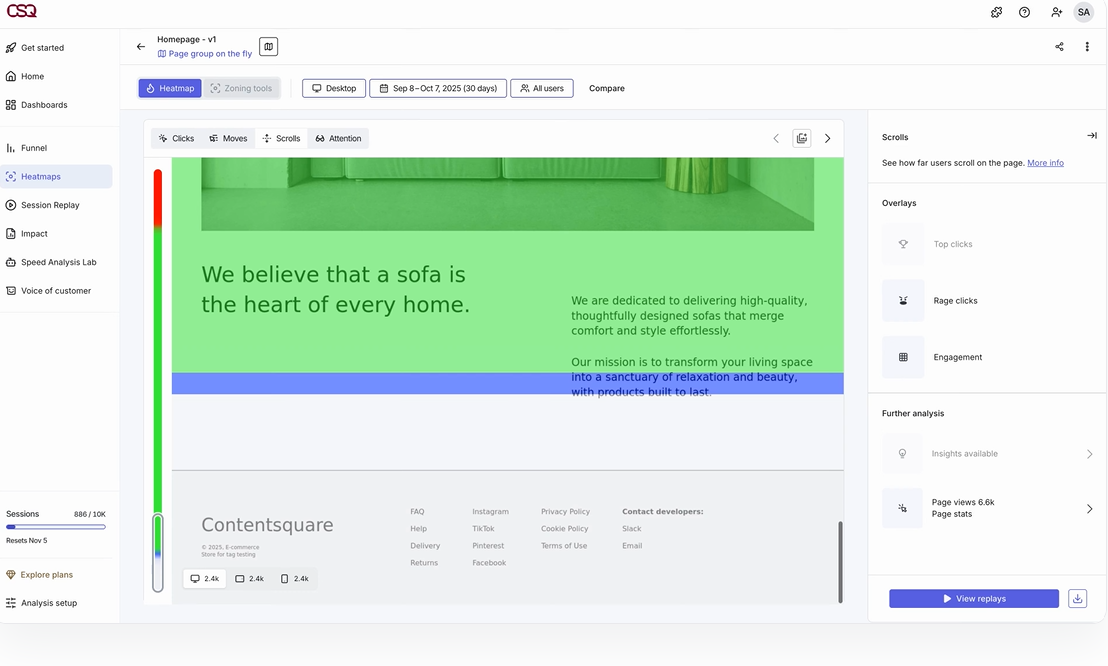
Heatmapping via Hotjar
Keep your design system and data stack in mind when choosing AI tools for product design. Establish review and privacy practices to prevent risks such as IP and data privacy leaks, overreliance, and skill degradation.
If you’re ready to integrate AI in your creation process, work with UI/UX design companies for startups and receive expert guidance.
Real-World Use Cases of AI in Product Design
AI is deeply embedded across industries, changing how products are created, tested, and refined.
AI in automotive design
Automotive design is expensive, slow, and safety is critical. AI accelerates iteration, reduces material and assembly complexity, and powers smart systems, especially for EVs.
General Motors is among the many that have leaned into this. Here’s how AI shows up in their product design process.
- Component optimization. Generative AI design reduces part count and weight, cutting material and assembly complexity. For example, seats are made with fewer but stronger components.
- 3D printing lightweight components. AI-generated component models that perform well structurally can be manufactured with additive methods, shortening the prototype-to-production timeline.
- AI-powered battery optimization. AI helps model chemical and thermal layouts to reduce reliance on heavy or costly materials and extend range.
These integrations are seen in General Motors’ popular automotive models, including the soon-to-launch Cadillac Escalade IQ. Cameras, radar, and LiDAR powered by AI improve safety and autonomy. All General Motors’ EVs are lighter than their previous models. This makes battery usage more efficient while traveling the same distance. The brand claims over 400 miles of range in some electric trucks, such as the 2026 Silverado EV.
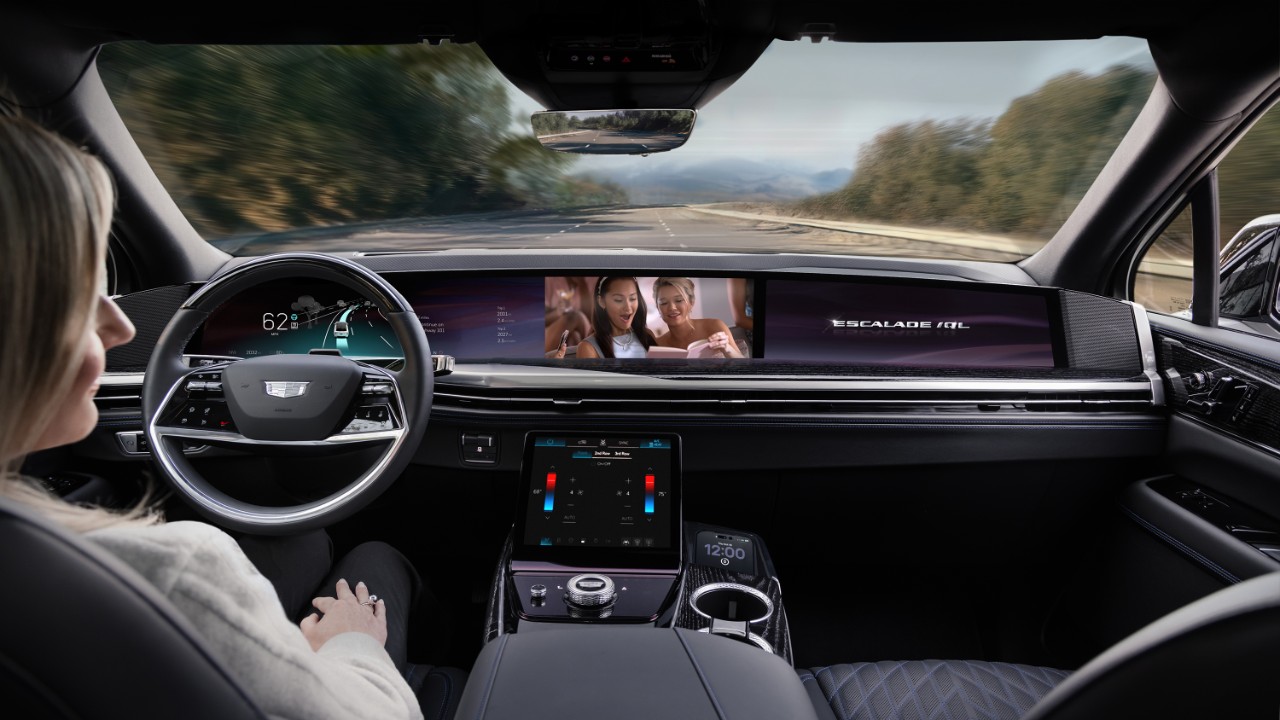
Soon-to-launch autonomous car, Cadillac Escalade IQ. Image via General Motors
Finally, the new OnStar assistant (in-car virtual assistant) can hold actual conversations. Designers can simply ask it to send a text, find a charging station, or check tire pressure. The system understands intent despite complex commands. It can suggest routes, remind users about car maintenance, or adjust temperature based on how they drive.
AI in consumer electronics
Consumer electronics must be useful and improve users' lives. AI has transformed how devices develop, from static engineering to continual adaptation.
Phones and wearables use on-device models to prioritize battery power allocation based on usage patterns without manual tuning. Cameras use AI to remove objects and combine exposures in real time. The result is products that grow with users.
Let’s go through some examples below.
- Samsung’s Family Hub (smart fridge). AI-based vision and recognition detect and identify food items in the fridge without manual registration. It enables inventory tracking, expiration reminders, and recipe suggestions that match what you actually have. That reduces food waste and helps create shopping lists and meal plans.
- iRobot’s Roomba (Robot Vacuum). AI-powered product mapping and localization enable the device to learn home layouts, plan cleaning paths, and avoid recurring issues. Over time, the product requires fewer supervised learning and delivers more reliable autonomous cleaning.
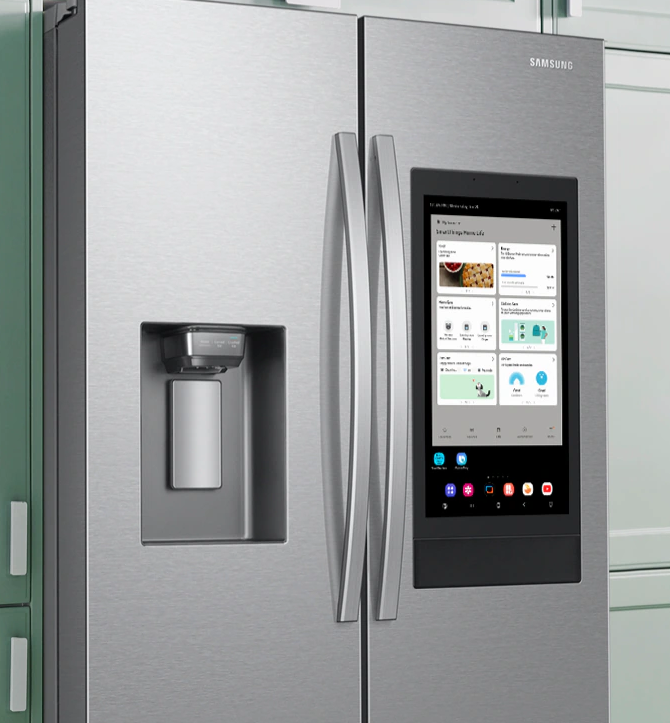
AI Vision technology via Samsung

Smart mapping via iRobot
AI in e-commerce product experience
E-commerce companies leverage AI to track what users view, add to their carts, and search for. AI closes gaps in understanding and personalizing the shopping journey for a more rewarding experience.
Here’s how e-commerce brands are using AI to shape the product experience.
- IKEA Kreativ. Augmented reality (AR) allows users to scan their space with their phones, remove existing furniture, and place IKEA items at scale-accurate sizes. This reduces uncertainty about fit and style and lowers return rates by helping buyers visualize before purchasing.
- Sephora Virtual Artist. AI simulates makeup on a live image, accounting for skin tone and lighting. Shoppers can then try their makeup products before adding them to the cart, making them more confident in their selections. The AI integration boosts conversion rates because the try-on experience feels realistic and personalized.
- Chewy. AI helps recommend products based on the pet’s breed, age, weight, and past purchase history. When a pet’s age changes and its nutritional needs shift, the website suggests adjustments accordingly to help owners provide proactive care.
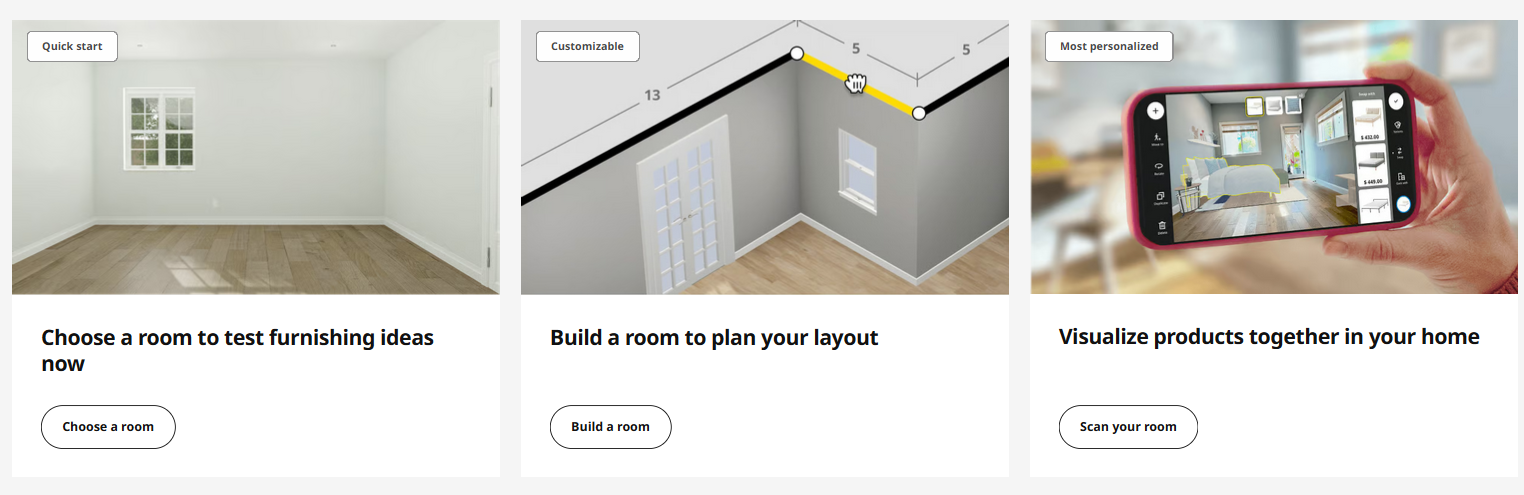
AR app via IKEA
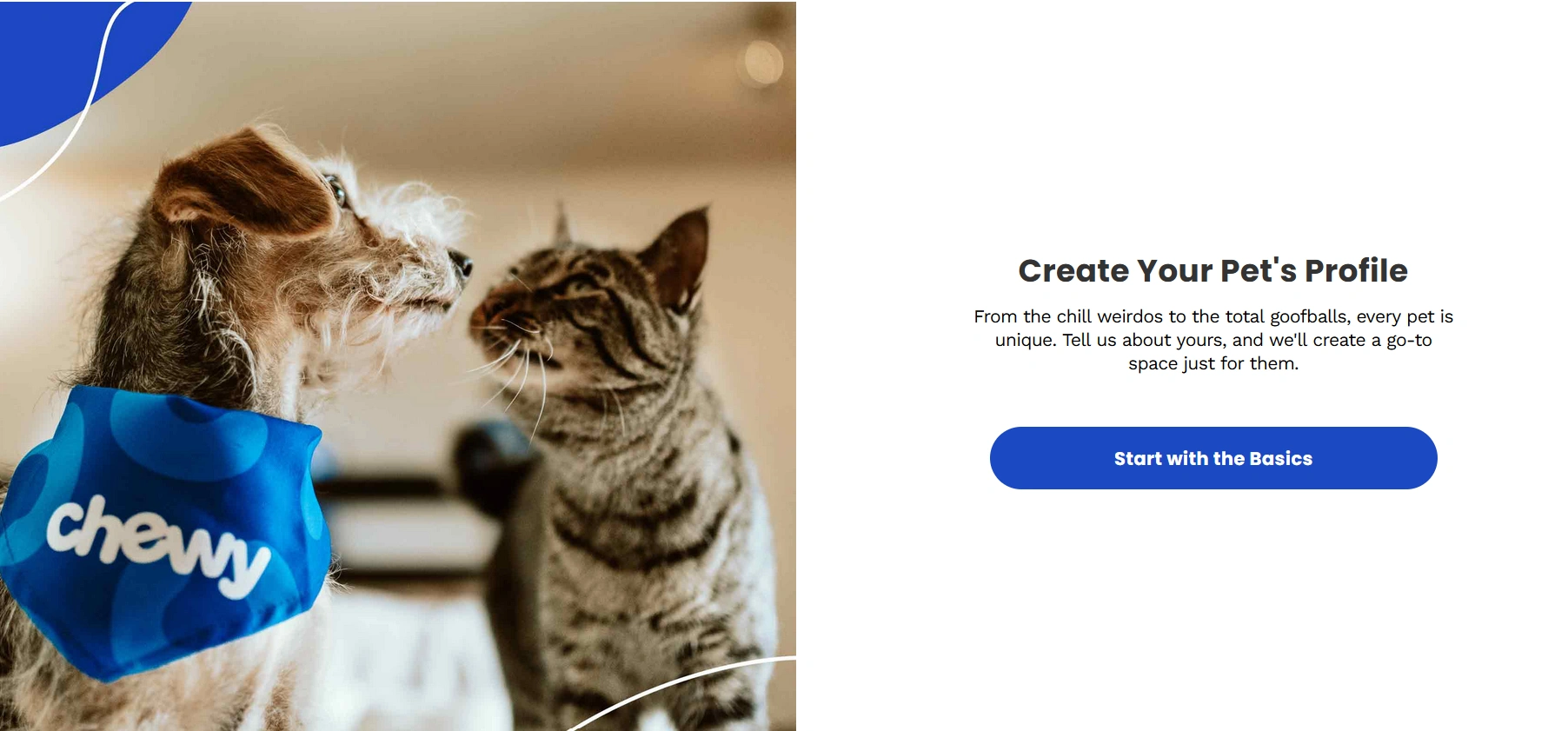
AI creates recommendations based on your pet’s profile. Image via Chewy
E-commerce brands can support automation and search optimization with AI. It can triage common customer questions, make relevant content more discoverable, and generate SEO-friendly product descriptions and attributes from product data.
AI in industrial and engineering products
Machinery downtimes, safety incidents, and inefficient processes can disrupt and cost industrial and engineering companies millions. AI adds predictability and improves quality assurance where human inspection is limited.
Examples of brands that use AI to improve their industrial and engineering products:
- Schaeffler: The industrial manufacturer uses autonomous robots to transport heavy loads between shop floors, called the “GraviKart”. It leverages AI-based voice recognition and gesture detection to process human commands, and sensors to move around workers safely.
- John Deere: Multi-camera and LiDAR AI systems enable tractors to perform precision tasks, like spraying between tree rows, with minimal human intervention. The system increases field efficiency, reduces overlap and chemical waste, and allows operators to supervise multiple units rather than manage each vehicle individually.
- Gerdau: The Brazilian steel producer uses AI to run digital simulations of their steel plant. They test different production scenarios virtually instead of experimenting on real equipment, thereby saving time and money. Strategists can also consult an internal AI assistant and search past technical manuals and failure records to solve problems faster.
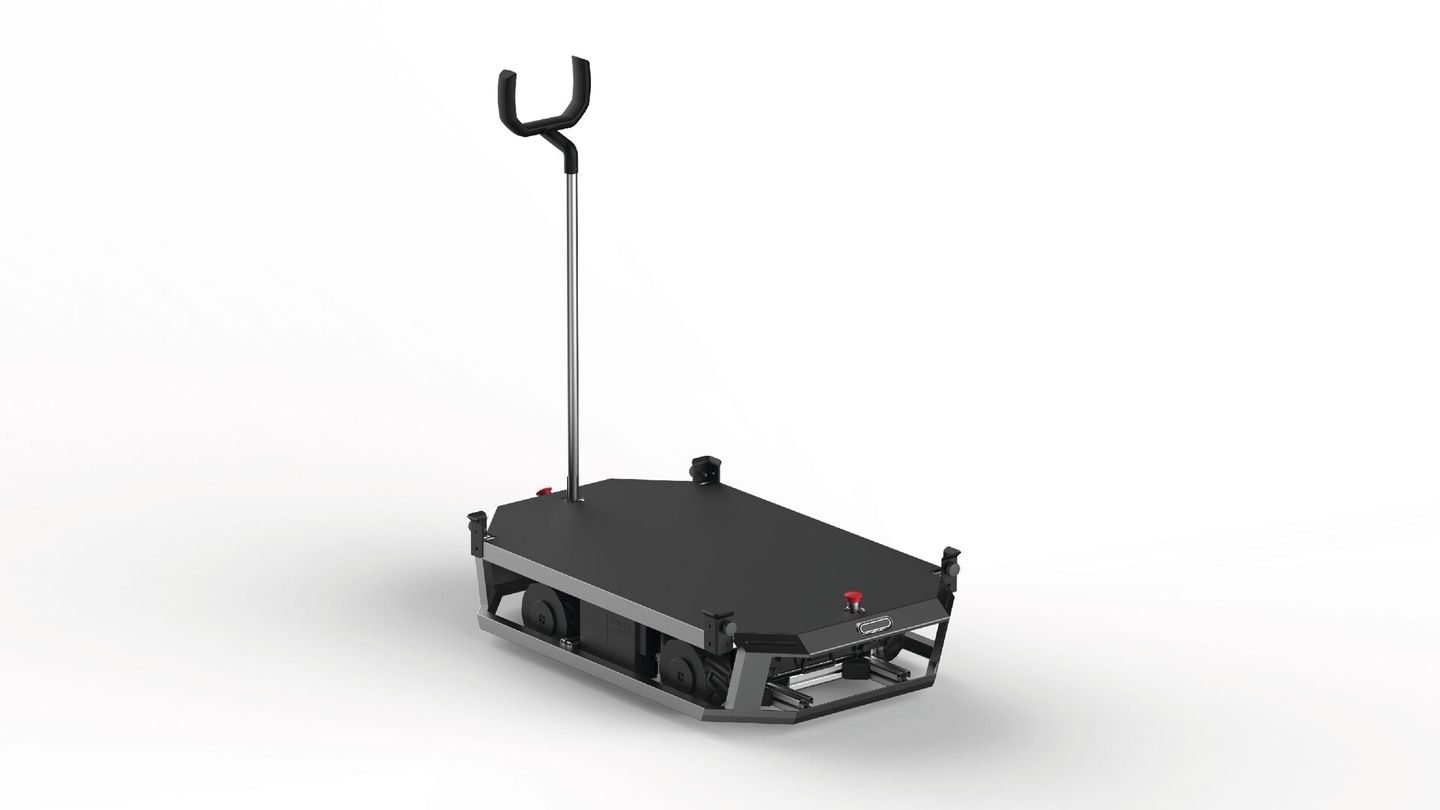
Transport system robot, GraviKart. Image via Schaeffler
Human + AI = Responsible Product Design
AI product design is reshaping industries and everyday life by improving quality and personalizing experiences that evolve with users. Integrating AI in every stage of the product life cycle—research, ideation, prototyping, and post-launch refinement—unlocks insights and efficiencies previously out of reach.
While AI is a powerful product-design tool, it still needs human oversight. In the hands of people with technical knowledge, consumer empathy, and strategic judgment, it expands your capacity for insight, variation, and validation. Start small, explore possibilities, and turn ideas into practical, ethical solutions so your products not only launch faster, but continue to improve in ways that matter to real users.
Mar 30, 2026

Creates insightful, strategy-driven content that translates complex design and branding concepts into accessible knowledge, supporting Ramotion’s mission to elevate digital experiences.