
Do you know that a well-elaborated brand can become so ingrained in everyday life that it eventually transforms into a verb or a common noun? Google, Jacuzzi, or Kleenex are great examples. The best part is, your company can achieve the same effect – all you need to do is turn your venture into a personality with a strong, unique identity and image.
Brand identity is a working concept that has proven its validity over decades. It is a strategic foundation for achieving goals and occupying a strong position in the market and community.
But brand identity does not work alone, nor does it exist in a vacuum. It operates in an omnichannel landscape and has several companions to support its purpose fulfillment. One of them is the brand image.
Brand identity and brand image are often confused because they are interconnected and serve the same purpose, but they are not identical. Let's clarify the differences between these two concepts, discuss how they collaborate, and outline practical steps to align them to reinforce your brand.
What Is Brand Identity?
Brand identity is the umbrella term that encompasses multiple characteristics that uniquely identify the company's personality, mission, vision, goals, and behavior patterns. It includes both tangible elements (messages, packaging, sensory experiences) and intangible elements (tone of voice, purpose, story, reputation) that influence how the target audience perceives the company. It guides all branding, advertising, marketing, and communication decisions and underlies a solid foundation for the working culture.
Even though brand identity is centered around the intrinsic traits of the company's personality, such as core values, mission, vision, and statement, it cannot be built overnight. Creating a strong brand identity requires time – it is a long, intentionally developed and managed process.
The purpose of brand identity is the following:
- It clearly declares what the company stands for, describing its beliefs, values, purpose, personality, tone, and brand promise.
- It uniquely identifies the company in the market, providing it with a competitive advantage.
- It humanizes the company, making it relatable to the target audience.
- It builds a deep emotional connection with the target audience through creating heritage, history, and compelling narrative.
What Is Brand Image?
Brand image is a public perception of the company. It reflects the brand's overall impression and what people really think of it. It is based on associations and emotional connections established through interactions and communications with the company, its products, and its staff across diverse channels and points of contact.
Every time someone interacts with the brand, they either have a positive or negative response and form an opinion about the company, which might influence the brand image. There are multiple factors to consider: service quality, customer experience in physical store, social activity and position, social media presence, accessibility, inclusion, visual identity, marketing and advertising strategy, and even sustainability impact.
Standing behind brand recognition, reputation, and equity, brand image is of great importance. It creates a first impression, fosters close customer relationships, inspires trust and loyalty, drives engagement, fuels the company's culture, and provides a strong foundation for growth.
In moments like rebrands, M&A, or category expansion—when collaboration choices materially affect consistency, reviewing the best agencies for brand identity design can clarify the partner landscape and the operating models that support durable identity execution. Much like brand identity, brand image evolves, largely shaped by a company's values, mission, goals, key message, and decisions.
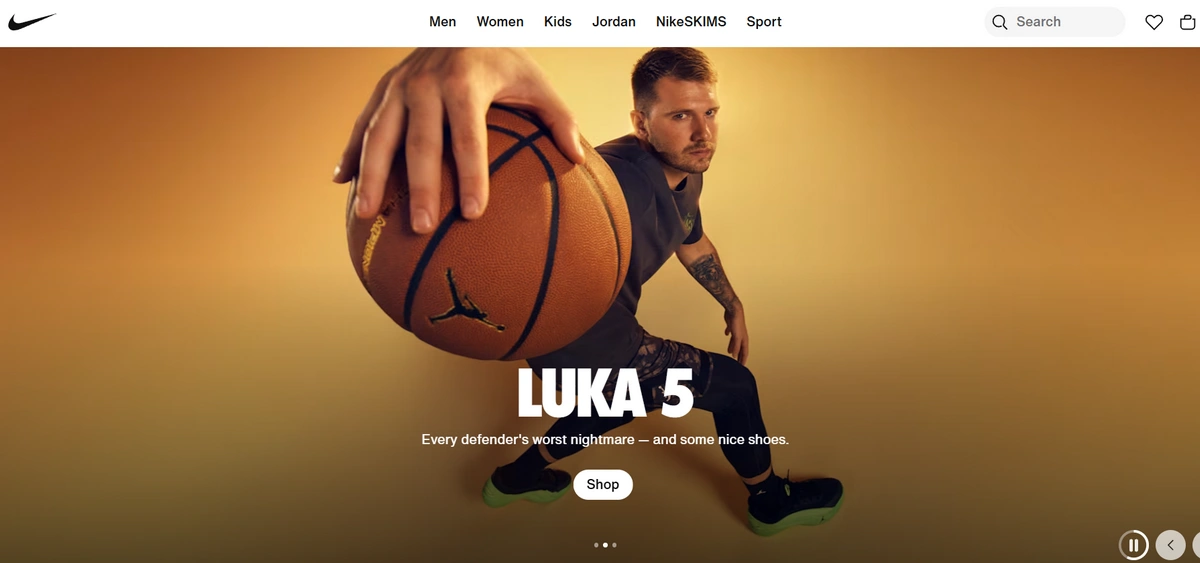
Nike (official website)
Brand Identity vs Brand Image: Key Differences
Brand identity and brand image are separate concepts with distinct functions and responsibilities, yet they are often confused. While they share certain similarities and are influenced by the same factors, they still represent the company from different perspectives. It is crucial to understand their distinctiveness, as capitalizing on their diversities allows the brand to reinforce its presence in the market, weather the economic fluctuations, and continue to grow and develop.
Nature
The main difference between brand image and brand identity obviously lies in their nature and core functionality. While both of them can be equated with the company's personality, they represent different sides of it.
Brand image is the core and soul of the company. It encompasses its values, vision, mission, key message, and goals. It defines the brand's intrinsic features and humanizes it through archetype and internal decisions that underlie behavior patterns.
Whereas brand image represents a company's facade. It is what the audience perceives - an appearance in the market obtained not only from the way it looks on websites, social media, packaging, or store interior, but through experiences and emotional connections in every interaction point, like customer chat or social media.
Creation
Creation is another area where the difference between brand identity and image is stark.
Brand identity is one of the first strategic steps a newly founded company takes. As a rule, leadership and stakeholders create it internally, deciding on core traits such as values, purpose, and the audience, which later translates into tangible elements like logos, colors, typography, and messaging.
In some cases, marketing and branding teams are also involved in the decision-making process, helping determine which feature should lie at the core so the company can carve a niche in the market. Hiring a professional brand identity company can significantly increase the likelihood of creating a strong, holistic brand identity.
Brand image is a cumulative perception of the company; therefore, it is mostly formed externally by customers and prospects in the market. It is built over time through experiences and interactions, emotional connections, storytelling, and consistent message delivery. It can also be influenced by the brand identity that fuels marketing decisions, communication methods, behavior, and responses.
Control
Both brand identity and brand image require time to be built and maintained correctly, not just to present the company accurately, but also to fuel growth. Therefore, the way you control them comes of huge importance, and it is here where you can see another drastic difference between these two concepts.
The company fully controls brand identity. Leadership and stakeholders, along with marketing, branding, and advertising teams, define and leverage personality traits to deliver the key message to the audience while staying aligned with the core. They make decisions and influence the context and content.
Conversely, stakeholders cannot control brand image, as it is the customer's perception of the company's activities and market presence, but they can partially influence it. By taking the right decisions in various situations, such as ensuring successful customer service resolutions or conducting appreciation email campaigns, the company might have a positive impact on the target audience and shift perception in a certain direction.
Components
Components of brand identity and brand image might overlap to some extent, but each has its own set of tools.
Brand identity includes the building blocks that underlie the company's personality, such as mission, values, vision, history, narrative, language, tone of voice, proposition, goals, and key message, which translate into tangible elements such as brand name, slogan, logotype, typography, mascot, packaging, and even the way customer-facing employees conduct themselves in chat.
Whereas the main elements of the brand image are perceptions, experiences, emotional associations, promise, overall impression, visual units (logo, design, imagery), and verbal units (tagline, slogan, and voice).
Measurement
The last factor that distinguishes brand identity from image is how they are assessed, measured, and analyzed. Both require different approaches and techniques. Understanding this key aspect provides a clear picture of the business's presence and potential.
As a reflection of the company's personality with a rich set of core traits, brand identity is the hardest to inspect and analyze. Teams assess brand awareness, perception, and consistency using metrics such as web traffic, the quality and size of the fan base, social position, competitive potential, campaign performance, and messaging.
As for brand identity, teams typically gather information on customer perceptions through surveys, reviews, analytics, and sentiment analysis.
Brand identity vs brand image
| Brand identity | Brand image | |
|---|---|---|
| Nature | Core and soul of the company | Company's external perception |
| Creation | Businessowners and stakeholders | Customers, prospects, and society |
| Control | Stakeholders and marketing teams | Market and the target audience |
| Components | Mission, values, vision, history, narrative, language, tone of voice, proposition, goals, and key message | Experiences, emotional associations, promise, overall impression, visual assets, verbal units |
| Measurement | Audits and inspections of such metrics as web traffic, competitive advantage, and social position | Surveys, reviews, analytics, and sentiment analysis |
How Brand Identity and Brand Image Work Together?
Brand identity and brand image are distinct concepts that present the company from different angles to create a holistic market presence. However, they are not isolated - they are interconnected and mutually support each other. Together, they fuel growth and drive the business forward, giving it the power to realize strategies and stay afloat during turbulent times.
Their cooperation is a fragile balance that ensures the company's harmonious existence. It is barely seen on the surface, as all the work is done inside. While brand image helps the company reflect its brand identity and deliver its core traits to the target audience, brand identity guides brand image from the inside, providing it with the knowledge needed for accurate decision-making.
Being interconnected, these two concepts greatly benefit from the consistency and alignment that not only put pieces together but also build trust, recognition, and credibility. A holistic brand image aligned with brand identity is a powerful tool that drives customer loyalty, strong sales performance, and a competitive advantage.
In practice, brand identity guides presentation decisions and behavior across multiple communication and interaction points. It also has the final say on marketing strategies, advertising campaigns, working culture, and conflict resolution. Whereas brand image may influence decisions in certain scenarios by providing real feedback and expectations from the target audience.
How to Align Brand Identity and Brand Image?
As brands operate in a complex landscape with multiple interaction points and ever-changing factors, they are constantly tested by their consistency, making alignment a crucial aspect of market success.
Alignment has become a continuous, iterative process that allows companies to stay true to their beliefs and mission while simultaneously adapting to the audience's evolving tastes and an ever-growing competition.
Strengthen internal brand alignment
Internal brand alignment is the state of the company when all its core traits, culture, employee behaviors, external activity, and promise are in sync. Everyone is on the same page and understands what the company stands for. This state yields not only loyalty among the customers but, most importantly, turns employees into brand ambassadors and ensures a consistent, meaningful, and memorable user experience.
It is crucial to strengthen this brand alignment as it builds trust, drives engagement, enhances brand equity, and fuels growth. Many methods exist to do that, and the most popular are:
- Ensure clarity. Clearly define your company's personality, including its core values, behavior, beliefs, and positioning. The core features must be easily accessible to every department.
- Provide training. Create guides, tutorials, and instructions, along with onboarding materials, to train employees and deepen their understanding of the company's value and mission.
- Sync culture and external message. The working culture must be perfectly aligned with the brand identity so that customer-facing employees deliver the key message through branded voice, tone, and promise.
Deliver consistent customer experiences
The importance of a consistent customer experience across multiple touchpoints (website, social media, brick-and-mortar store, customer service, or ads) is hard to overestimate. It is the cornerstone of successful brand message delivery, marketing endeavors, and advertising. It yields numerous benefits, as predictable quality and reliability in communication build trust, increase credibility, and fuel loyalty, directly influencing conversions and brand recall.
However, ensuring alignment between brand identity and brand image that stand behind visuals, messages, communication, and services is tricky, as every unit must reflect the same brand promise. The professional recommendations to overcome the obstacles are:
- Create a clear, easily accessible, and well-maintained brand guide and design system.
- Eliminate elements that dilute the correct perception.
- Educate and train employees.
- Establish control over omnichannel presence.

Netflix offers a consistent user experience across countries.
Measure and refine brand perception
Informed decisions and goal achievement largely depend on how well the company understands its target audience's current needs and expectations and how well its campaigns perform. It is here that the regular and accurate measurement of brand perception comes into play, providing the necessary knowledge to track progress and identify issues. This objective data surfaces strengths and areas of improvement that help align brand identity and image.
There are many ways to assess the performance and brand's presence in the market to adjust messaging and experiences based on insights. Among the most popular are:
- Conduct regular surveys, questionnaires, and focus groups to get relevant information on the brand's perception.
- Listen to social media and analyze such aspects as reviews, likes, and comments.
- Seek feedback from every interaction.
- Monitor web traffic, engagement, conversions, bounce rates, and other key metrics.
- Do regular professional brand audits.
Brand Identity and Image Examples
Successful alignment of brand identity and image is not just theory; millions of proven cases support it. Let's consider three industry giants from different fields to demonstrate how they leverage a harmonious symbiosis of brand identity and image, with a powerful emotional impact and overall consistency.
Disney brand identity example
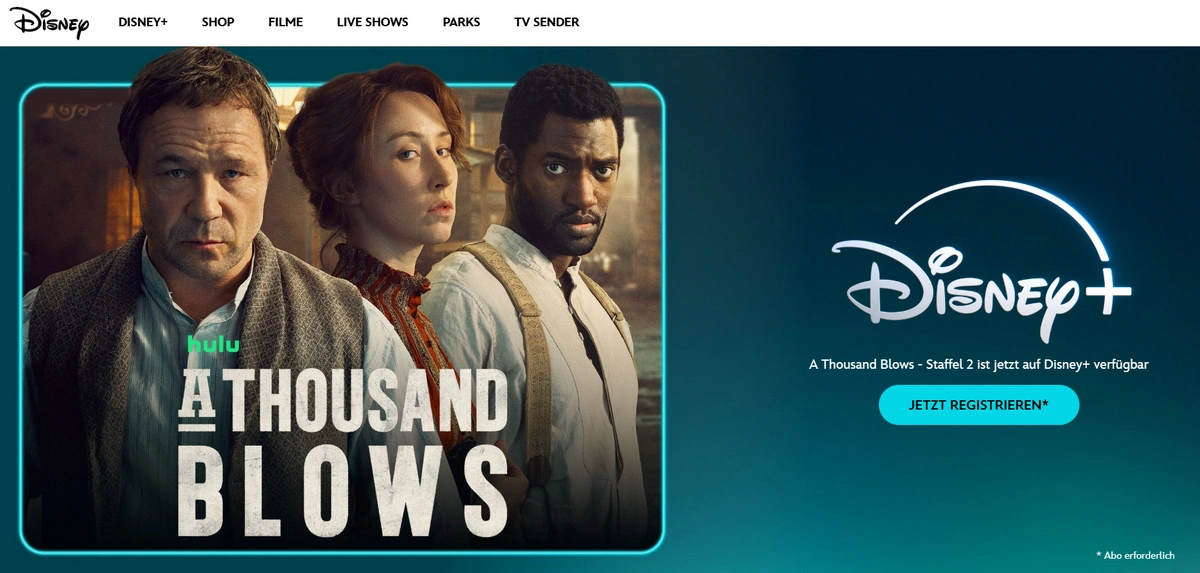
Disney is the brightest name in entertainment. It has a long, rich history with one of the most recognizable brands in the World. Their identity and image are perfectly aligned in every aspect, from movies to services to communications, and are built around their promise to deliver magic to everyone.
Their strategy is to provide not just a consistent user experience across multiple interaction points, but also to fuel it with emotions and storytelling that naturally draw the audience in and keep it engaged.
Apple brand identity example
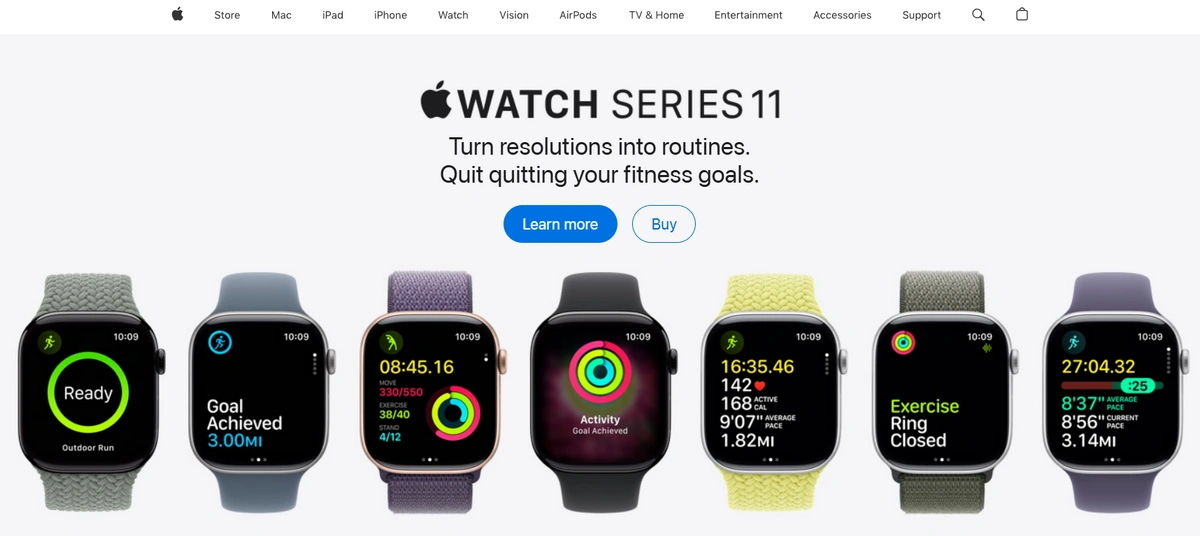
Apple is another great example of the successful alignment of brand identity and brand image. Coming off as one of the strongest players in the tech niche, Steve Jobs' legacy is famous for its uncompromising attention to detail, delivered in every product, communication, and service.
The company epitomizes minimalism and innovation, occupying the premium position in the market. Their strategies and campaigns focus on consistency, user-centricity, and a foundational ethos to deliver better products. They regularly gather feedback and analyze customer perceptions to ensure they keep their promise.
Coca-Cola brand identity example
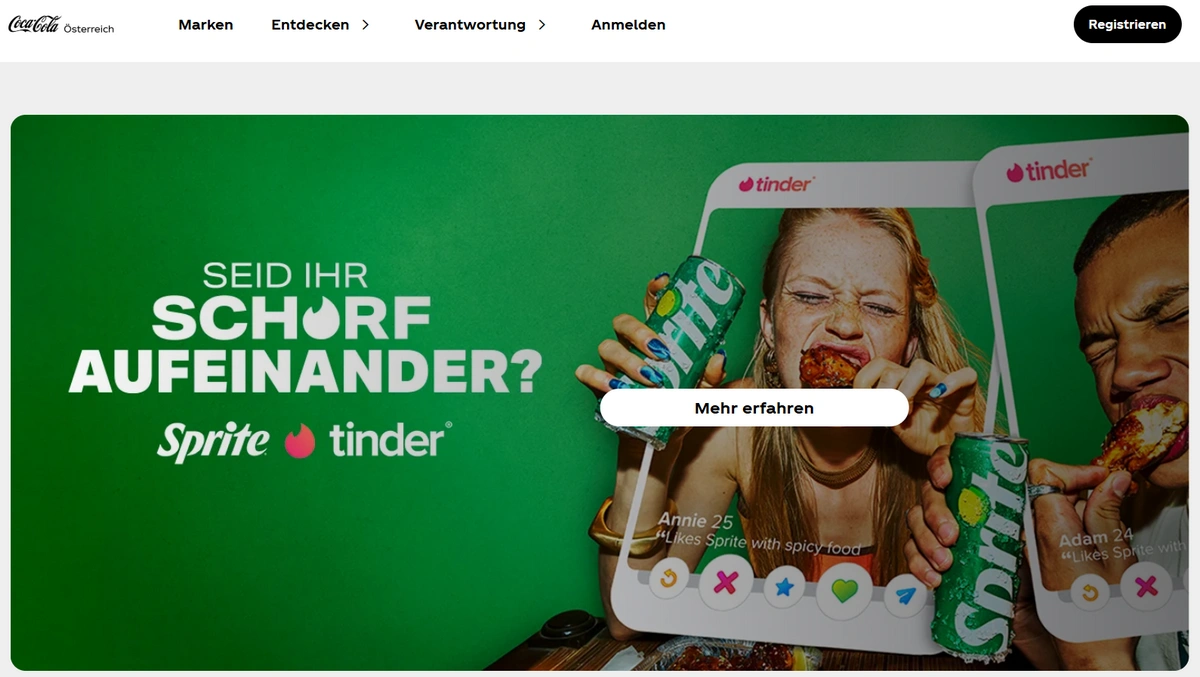
You can hardly find anyone who has not heard of Coca-Cola. Operating in over 200 countries, this iconic beverage company deserves its top position in the market and in customers' minds. Today, it has a rich profile with over 500 brands spread across various sub-niches.
Their brand identity and image have stood the test of time and generations due to their constant promotion of happiness and friendliness, as well as commitment to alignment and consistency in delivering the brand promise and message. It has sustained a positive global image for over a century.
Conclusion
Similar yet distinct, brand identity and brand image can be confused at times, but they are separate concepts that, when combined, form a powerful engine. How the company defines itself and how customers perceive it are crucial to its success in the market, especially in the modern omnichannel sphere.
Perfect alignment of these two aspects is the cornerstone of every move, decision, and behavior, regardless of niche, target audience, or product type. Their synchronization and harmony fuel the company's growth, providing a solid foundation to launch new products, run campaigns, build a reputation, acquire a fan base, and ultimately deliver on their promise, reinforcing their position in the market and community.
Jan 28, 2026

Creates insightful, strategy-driven content that translates complex design and branding concepts into accessible knowledge, supporting Ramotion’s mission to elevate digital experiences.