
Do you know that companies typically undergo major rebranding every 7-10 years, with minor changes occurring every 3-5 years? According to Entrepreneur1, market shifts are so intense that it is impossible to meet the audience's demands and stay competitive without regularly refreshing the visual identity, mission, goals, positioning, and personality. Evolution requires growth and consistent adjustment to the new realms, turning rebranding into a strategic move.
From a minor refresh of the logotype to some dramatic transformations that lead to the company's new incarnation, rebranding is beneficial for every company. When performed well, it strengthens positioning, increases competitiveness, boosts customer loyalty, and lays a solid foundation for marketing and branding endeavors. Multiple factors, such as market shifts, negative reputation, audience expectations, or brand maturity, drive it; therefore, it is crucial to understand when the right time for this move is.
Let's delve a bit deeper into this theme and explore what rebranding is, how to execute it step by step, and how to assess its success.
Defining Rebranding
Rebranding takes many forms, but at its core, it is an ongoing marketing strategy that involves changing or updating a company's identity, brand image, personality, vision, key message, value proposition, mission, and overall market perception and positioning. From minor adjustments to a complete makeover, this tactic can be used to partially alter the business, affecting only individual units, or to change it completely.
Rebranding may serve different purposes. For executive teams building a cross-functional rebrand program, and deciding where to partner versus run in-house, reviews like best branding agencies for company rebranding can help clarify the capabilities you’d want in a collaboration partner.
The most popular of these purposes are: differentiating the company from the competition, making the product relevant to the target audience, gaining a competitive advantage, adapting to new market segments, distancing the company from a negative reputation, and reflecting growth due to the adoption of the new company's model.
When to Consider Rebranding?
Rebranding is not only a tweak to the visual identity, it is a process that influences every layer of the company's existence, production, and interaction points. It ranges from a mere refreshment of the company's logo to a complete overhaul of the brand identity; therefore, it requires careful consideration, a strategic approach, and professional assistance, an expert rebranding agency that will devise a well-elaborated plan of action to achieve goals without wasting precious resources.
However, before hiring a team of specialists, it is crucial to determine whether your business is ready to implement this brand strategy. Here are three popular scenarios that indicate the necessity for a rebranding process.
Dramatic market changes and shifts in audience preferences
This is perhaps one of the most common triggers for initiating a rebranding effort. As mainstreams are born and die with enviable consistency, the target audience's preferences, needs, and expectations regularly change. When companies become irrelevant to their market segments, failing to keep up with the pace or meet new demands and standards, it is time to rebrand.
Reputation issues
Another common situation that requires companies to rebrand is a negative reputation. Whether it is a failed product launch, poor communication with the target audience on social media, PR crises, dated stereotypes, or a controversial history, it naturally drags the business down, casting a shadow over conversions and market positioning. Refreshing your visual identity and adopting the new brand management strategy are the best ways to overcome this challenge.
New direction
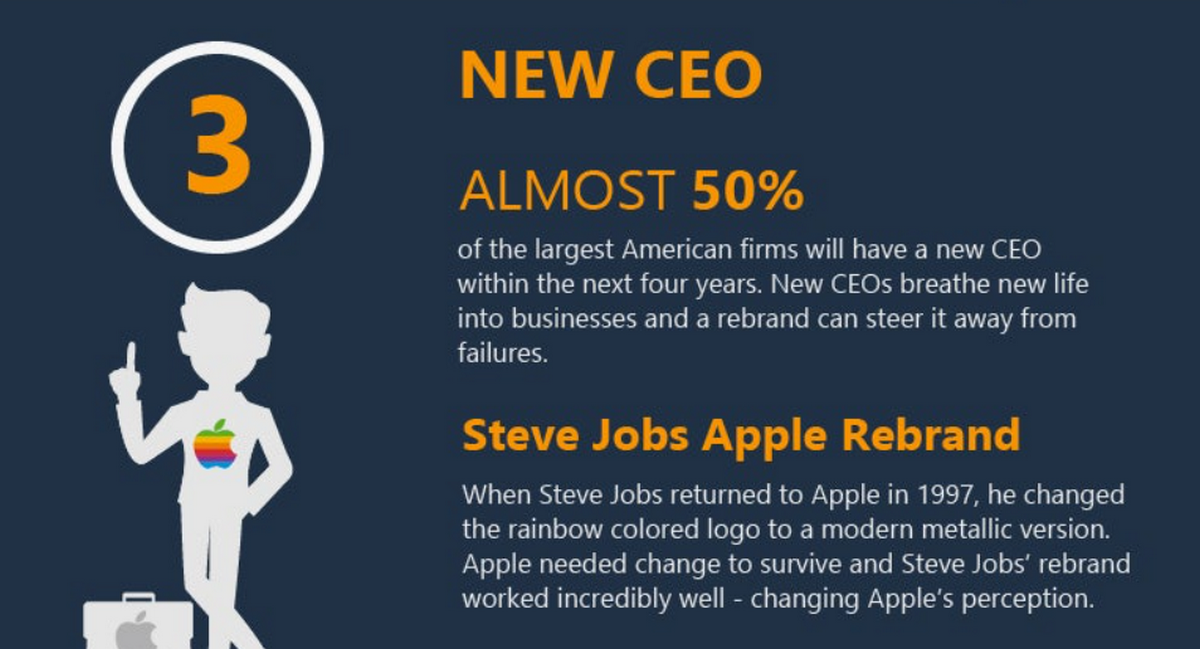
A company's growth and evolution are inevitable for those who take their business seriously and successfully survive the first turbulent years. Such changes as mergers, acquisitions, entering new markets, adopting radically different strategies, introducing high-end technologies, or getting new leadership require a refreshment and a new start.
Rebranding Strategies
Many scenarios indicate the necessity for a brand refresh. From feeling outdated in the field to entering new market segments and mergers, these are crucial signs that you should not ignore if you want to grow, develop, and achieve your goals.
But what should you do exactly when the time comes for your business to refresh or adopt a fundamentally different positioning and market presence? Here are four effective strategies.
Updating logo and visual identity
One of the simplest yet most effective ways to refresh your company when a total rebrand is not necessary is to update your logo or other visual elements of your brand identity. This slight modernization comes with multiple benefits.
First and foremost, it prevents your company from looking outdated and stale. Second, it gives your company a polished, modern look that encourages trust and credibility. Third, it reinvigorates interest and positively reshapes the customer's perception. Ultimately, it boosts employees' morale and supports their renewed purpose.
Updating the visual identity begins with deciding which visual elements need to change: a logo, color palette, typography, mascot, imagery, icons, or everything. Then it requires a thorough design approach, as every tweak must support your company's vision and mission.
Shifting brand positioning
When your company starts to lose its spark and feels stale, it is time to realign brand messaging and value proposition, shift brand positioning, and emphasize differentiation. This strategy helps companies to achieve these important goals:
- Stand out from the marketplace and gain a new competitive advantage.
- Meet ever-evolving customers' demands, preferences, and expectations, maintaining relevance.
- Boost brand awareness and loyalty by offering a compelling message.
Repositioning requires companies to take various steps, including an audit, market research, defining new goals and market segments, developing interaction approaches, and, most importantly, creating a positioning statement. The latter briefly describes the new direction or product that must fulfill the gap. Here is a good example from Amazon:
"For consumers who want to purchase a wide range of products online with quick delivery, Amazon is a one-stop online shopping site. Amazon sets itself apart from other online retailers with its customer obsession, passion for innovation, and commitment to operational excellence."
Refreshing messaging and advertising
Repositioning and total rebrand could be too much for some companies, whereas a simple logo update could be insufficient; in this case, professional branding agencies recommend refreshing messaging and advertising.
This tactic helps businesses regain market relevance and combat ad fatigue, thereby fueling customer relations and reinforcing their positioning in the market. It also drives engagement, improves brand perception, and boosts performance.
To craft new brand messaging aligned with the updated brand identity, companies must start with fundamentals: defining the updated core values and articulating the new mission and goals. They then need to develop a new messaging framework and a comprehensive visual style guide to ensure consistency across multiple campaigns.
Building cohesive verbal and visual identity
Last but not least, a strategy your company could adopt to initiate a rebrand is to build a cohesive verbal and visual identity. Creating a unified front across multiple communication means and interaction points allows the business to derive substantial benefits, such as signaling professionalism, building trust and credibility, reinforcing recall and recognition, and simply telling an engaging story that strengthens positioning and customer relationships.
This rebrand move focuses on a unified brand system that requires specific steps. First, companies must define their core values and get a thorough understanding of the target audience. Second, they should create a visual guide and content. Third, they need to develop a brand voice that aligns with their core values and visual identity. Finally, they need to test and refine the rebrand's success using feedback, A/B tests, and campaign reviews.
How to Rebrand from Start to Finish?
The rebranding process is a strategic move that does not happen overnight. It is a thought-out, well-structured, and sequential process that requires the company's commitment and professional assistance. Consider what it takes to refresh your positioning or launch as a renewed business in the following five-step guide.
Step 1 - redefine your market
The brand transformation journey begins with an in-depth, independent market analysis. Your company needs a thorough, up-to-date understanding of current trends, mainstreams, niche shifts, the competitive landscape, and customers' needs, preferences, and expectations. This knowledge provides a solid foundation for redefining your market and aligning your communication means, campaigns, products, or services with the clients.
This stage in rebranding involves an audit, researching industry trends, analyzing competitors, identifying new opportunities, and pinpointing market segments with similar needs. Ultimately, companies should determine how to position the brand and develop a seamless transition plan for updating messaging across all interaction points to meet the new target audience's demands and standards.

Google Analytics – a tool to inspect and define the target audience
Step 2 - update vision, mission, and values
Along with understanding and redefining your market segment, it is crucial to revise your foundational statements, as your vision, mission, and values may need to change to achieve new goals or reflect the company's current state.
As rebranding is a form of a company's evolution and growth, these core elements must be well thought out to ensure clarity and future alignment.
To reflect the future intentions, personality, and brand management strategy, companies should review their existing values and personality traits to identify gaps between the current and desired states needed to achieve the required customer perception.
Step 3 - rebuild brand identity
With the revised and reshaped target audience, the competitive advantage, and the brand's core values, the next step for the company to advance its rebranding is to rebuild its brand identity.
Covering both tangible and intangible elements used not only for communicating with customers but also with employees and stakeholders, this foundational part of branding underlies the success of multiple endeavors, such as building recognition, trust, and an emotional connection.
During this stage, companies undergo another research process and make tough decisions that must revamp their identity, resulting in a comprehensive visual and verbal identity system aligned with the new market segments and direction.
Step 4 - revisit business offer and terms
Implementing the change is not possible without revisiting offers and terms. Therefore, the next step in rebranding is to audit the value proposition, products or services, pricing, packaging, terms, and communication methods.
This step is crucial, as it helps mitigate risks and ensures the business not only aligns with the new direction but, most importantly, stays current with changes in laws and regulations that could affect operations and lead to fines and reputational damage.
Start by analyzing and evaluating performance, payment terms, termination clauses, and service-level agreements. Research current market prices and identify gaps and reasons for modification. Negotiate the terms to achieve a mutually beneficial outcome. Finally, document everything.
Step 5 - plan the rebrand rollout
Launching the refreshed or renewed brand ends with the rollout. This event must be a well-synchronized external launch with consistent and impactful execution across all touchpoints and primary communication channels. Not only must it present the brand, but it must also build excitement, strengthen customer relationships, and reinforce the brand's reputation.
The preparations for brand rollout include creating a compelling narrative, aligning employees through onboarding or training, defining a communication plan, documenting touchpoints, mapping events, conducting essential PR steps, outlining the timeline, and launching brand identity assets.
Measuring Rebrand Success
Devising a strategy and implementing it are huge steps, but they are not the only ones. If you want to secure a positive outcome from your rebranding and ensure achievement of the primary goals, it is crucial to measure the rebranding rate and success.
While subjective impressions can offer valuable insights, evaluating performance remains essential for decision-making. It surfaces areas for improvement, identifies weaknesses, enhances brand equity, and fuels conversions and sales. Here is what you should do.
Track brand perception
Revealing how customers truly feel, brand perception is one of the most important factors to consider and track. It provides the necessary knowledge to align strategies with consumer preferences and expectations, surface issues, and understand market effectiveness.
Brand perception is a complex term that calls for inspecting awareness, trust levels, sentiment, and preference shifts. It is a mixture of direct feedback and indirect digital monitoring. Conduct surveys, read reviews, create focus groups, analyze data through social listening platforms, and initiate regular brand audits.

Brandwatch – a popular tool to monitor brand reputation
Monitor customer engagement and sales
Enhancing profitability and building strong customer relationships are the main benefits of implementing continuous monitoring, which enables inspection of customer engagement and sales. It provides actionable insights to tweak strategy, advertising, and marketing campaigns to achieve the goal efficiently, with minimal wasted resources and investment.
Adopting this approach requires companies to track vital metrics such as traffic, engagement, conversions, retention, and revenue. The good news is that, unlike sentiments and reviews, these are concrete numbers that offer accurate insights, are easy to interpret, and can be used as a basis for decision-making.
Assess market positioning
Assessing market positioning, unlike tracking sales metrics, can be challenging but is vital. It provides businesses with much-needed data on competitive advantage and the rival landscape. It also defines the company's unique value and how well it attracts the right audience, underlying a strong foundation for many strategic decisions across campaigns. Finally, it helps to target the market segment accurately, build a clear and memorable identity, and foster loyalty and trust.
Market positioning inspection involves companies assessing the competitive stance before and after rebranding. It includes analyzing your unique position, understanding the market's perception, evaluating competitors, conducting a SWOT analysis, and measuring performance metrics such as awareness and customer satisfaction.
Successful Rebranding Examples
Navigating the rebranding journey is tricky. Along with having a thorough understanding of the steps, it is essential to examine successful rebranding examples to gain real insight into what it can do for your company.
Here are two examples that demonstrate measurable growth after refreshment.
KIA
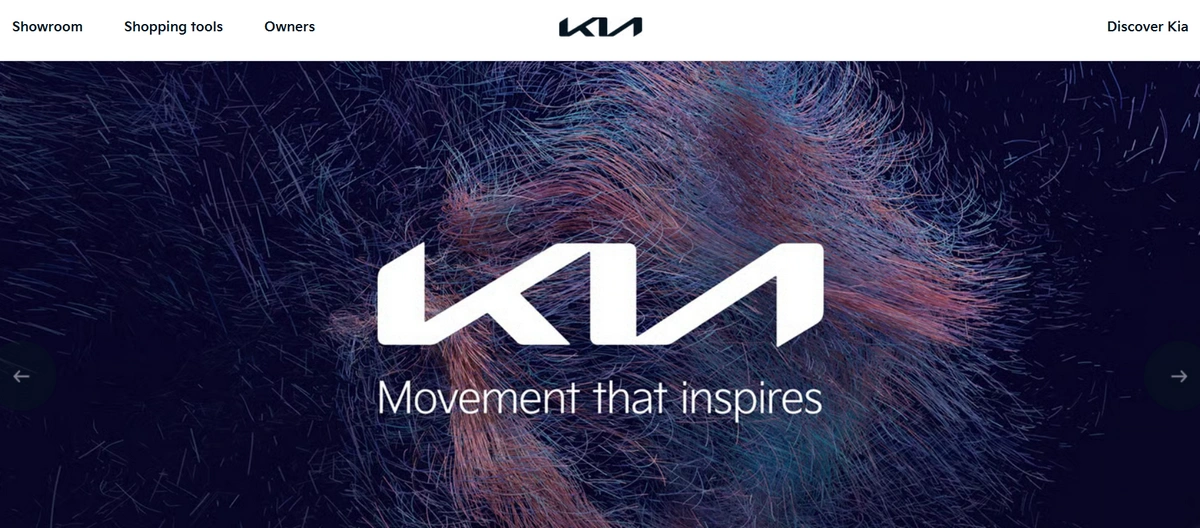
KIA's "Plan S" is a great example of successful rebranding efforts. One of the most famous Korean car manufacturers expanded into sustainable mobility in 2021 to enhance customers' lives.
Not only did they adjust their products and messages, but they also gave their brand identity a major facelift and removed "Motors" from their corporate name to instill a sense of innovation. Their partial rebrand, inspired by a commitment to sustainability, has improved their positioning and reinforced their competitive advantage in a world that is gradually moving towards electric and eco-friendly vehicles.
Victoria's Secret
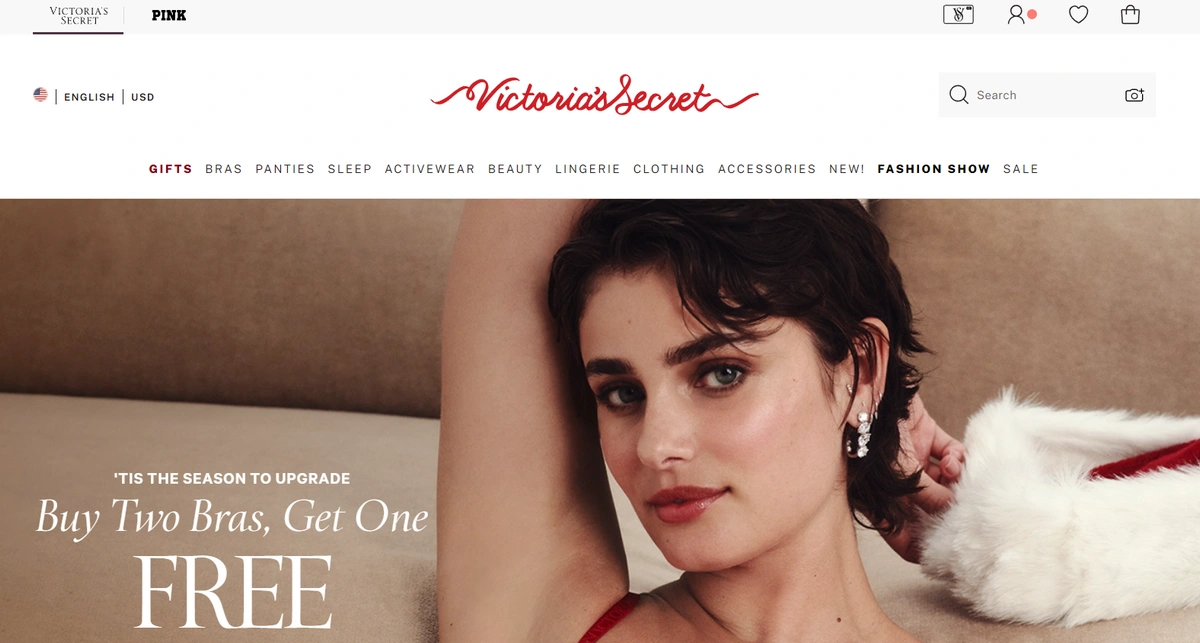
Victoria's Secret is another great example of a well-executed rebranding strategy that helps the company not only feel relevant to new markets' needs and expectations but, most importantly, regain its status.
VS has had several turbulent past years with plummeting sales and a decline in its fan base. However, their recent successful rebrand, focused on authenticity, perfect timing, and newly established standards, helped it rebuild consumer trust and get back on track, reinforcing its position in the lingerie sector.

Conclusion
Rebranding is a strategic move for a company facing one of these scenarios: stagnant growth, an unappealing value proposition, a negative perception, a market shift, a merger, or an acquisition. It does not happen overnight; it takes time, effort, and total commitment to the cause, whether it is a partial rebrand or a total one.
When done professionally, it benefits the company across various directions. It helps to adapt to a new market or competitive landscape, fuel growth, meet the target audience's needs, and reinforce market positioning, thereby prolonging the company's lifecycle and providing a fertile ground for development and evolution.
Dec 17, 2025

Creates insightful, strategy-driven content that translates complex design and branding concepts into accessible knowledge, supporting Ramotion’s mission to elevate digital experiences.