
The success of any digital product depends heavily on its design and on how well it meets users’ needs. Whether it is a mobile application or a complex infrastructure, designing a satisfying user experience requires a thoughtful approach to product design. This is where the UX design process plays an important role.
The UX design process is a structured, step-by-step approach used in user experience design to create useful, usable, and engaging products and services. The primary goal of this process is to help create designs with a user-centered approach, prioritizing the overall satisfaction and experience.
UX design is a complicated and demanding process, where processes and strategies require quick adjustments while meeting the changing user needs. Therefore, a structured approach to design, divided into clear steps, can help design teams stay on track at all times. Each step in the process is carefully designed to identify gaps and pain points and resolve them quickly.
In this article, we discuss the UX design process, along with the several layers and steps of the process.
Read along as we break this topic down into simple and easy-to-follow steps.
Defining UX Design Process
The UX design process brings method and structure to the creation of digital experiences. When teams follow a structured process, they can convert ideas to products efficiently. Additionally, it helps bring different teams on the same page, which can reduce time, effort, and errors from ideation to launch.
The UX design process is a systematic and iterative approach to the design of products and services, particularly in the digital world. The process draws from the fundamental principles of user experience design, where the needs of users are always prioritized. It brings a series of activities together, such as research, analysis, design, and testing, to design satisfying experiences.
One of the key advantages of the UX design process is that it provides a robust and replicable framework for an organization. When a process is rooted in the vision and values of a company, it can bring consistency to designs. This is why many organizations, including the best UX design agencies, use a structured framework to deliver quality designs regularly.
Key Stages of the UX Design Process
A structured process helps in building a design system where each stage is connected to the bigger picture. To better understand the UX design process, we can broadly divide it into nine (9) stages or steps.
The process begins with some reflection and research, leading to data collection and analysis. The results are then used to design, develop, and test products. The overall process is both structured and logical in its flow, guiding designers from one step to the next.
For designers and design teams, it is important to note that the entire UX design process is not strictly linear. Instead, it is an iterative process. Throughout the design process, teams gather valuable insights from the users as well as their peers. This helps them identify problems on the go and make those changes quickly.
Additionally, designs always need maintenance, improvement, and iteration once the product is launched. Therefore, an iterative and flexible approach to UX design is always helpful.
Phase 1: Define Problem and UX Goals
The first step in the UX process involves a clear definition of the problem and setting the goals. In this step, design and product teams discuss and answer important questions about the purpose, target audience, business objectives, and vision. These questions help guide design decisions while keeping users’ needs and organization values in mind.
Everything in this step, similar to any design problem, begins by identifying the problem and the gap. Once the problem space is defined and understood, teams can draft a focused problem statement, which then leads to developing a product vision and goal-setting.
When setting goals in UX design, it is important to create SMART goals, i.e., goals that are specific, measurable, achievable, relevant, and time-bound. Such goals help teams stay on the same page and track progress efficiently throughout the design process.
Phase 2: UX Research and User Insights
The next step in the UX design process is more research-focused. This is where design teams step into the real world and gather insights about users’ needs, behaviors, pain points, and expectations. For good UX research, it is important that teams do not make assumptions about the users and gather insights about the target audience.
Several methods and techniques can be used to reach out to users, talk to them, and understand their behaviors and thoughts. Some important ones include quantitative and qualitative surveys, interviews, competitor analysis, and data coming from analytics platforms. Together, these methods provide a strong foundation for the UX design process in the steps that follow.
Phase 3: Analyze Data and Define User Needs
After conducting UX research and gathering data about the users and their needs, the next step is to collectively analyze this data. This step helps turn raw research findings into meaningful insights. Design, research, and development teams sit together to identify critical user behaviors, recurring patterns, and frequently discussed pain points. These insights highlight the gaps and opportunities for improvement, thus providing a good roadmap for the teams.
In this step, designers also define user needs. Teams create artifacts, such as personas, user journey maps, and user flows, to represent different types and varying needs of the target audience. These methods clarify needs, expectations, and friction points that help with the design and development of real, useful products.
Phase 4: Ideation and Concept Development
Once the designers have gathered and analyzed data to extract valuable insights, the next step is to think about the possible solutions. This is where ideation and concept development kick in. In this step, teams brainstorm different ways to address users’ pain points and meet their needs. Several individual and team activities, such as sketching and mind mapping, help generate multiple solutions.
The goal of this step is not to find the perfect solution but to encourage quick thinking and ideal solutions. This helps explore several possibilities efficiently, thus prioritizing creativity. When more minds get together to explore multiple directions, the chances of finding effective design solutions are increased.
Phase 5: Information Architecture and Wireframing
The next step in the UX design process focuses on organizing information and defining the structure of a product. This step serves as a bridge between mental models and useful designs. The goal here is to develop a clear foundation for seamless and intuitive user interactions.
Information architecture basics
Information architecture refers to the overall structure and organization of content. This includes navigation, user flows, and the flow of information. In this step of the UX design process, teams define how information will be grouped and how users move from one content to another.
A well-designed information architecture ensures logical flow where the users can move between screens and pages intuitively. Good structure includes clear navigation paths and reduces the risk of errors.
Wireframing essentials
Wireframing is the process of creating a visual layout of information. This is where the information architecture is translated into a clean and simple layout that indicates how content would appear on the screen. In this step, designers create low-fidelity layouts to map the basic functions of any design.
It is important to note that wireframes do not prioritize visual aesthetics. Instead, the goal is on usability, and making it easy for designers to visualize the user flow and information architecture. These wireframes act as blueprints for the prototypes that follow.
Phase 6: Prototyping and Interaction Design
After creating the information architecture and designing some wireframes to work with, the next step in the design process focuses on bringing these ideas to life. This is where designers move beyond static layout and skeletons, and create designs that can both be interacted with and tested.
Low- and high-fidelity prototypes
In the design process, it is always recommended to start with simple, low-fidelity prototypes and then move to more detailed, high-fidelity versions. Low-fidelity prototypes are helpful in validating the overall layout and structure quickly. High-fidelity prototypes, on the other hand, help refine the interactions and user flow.
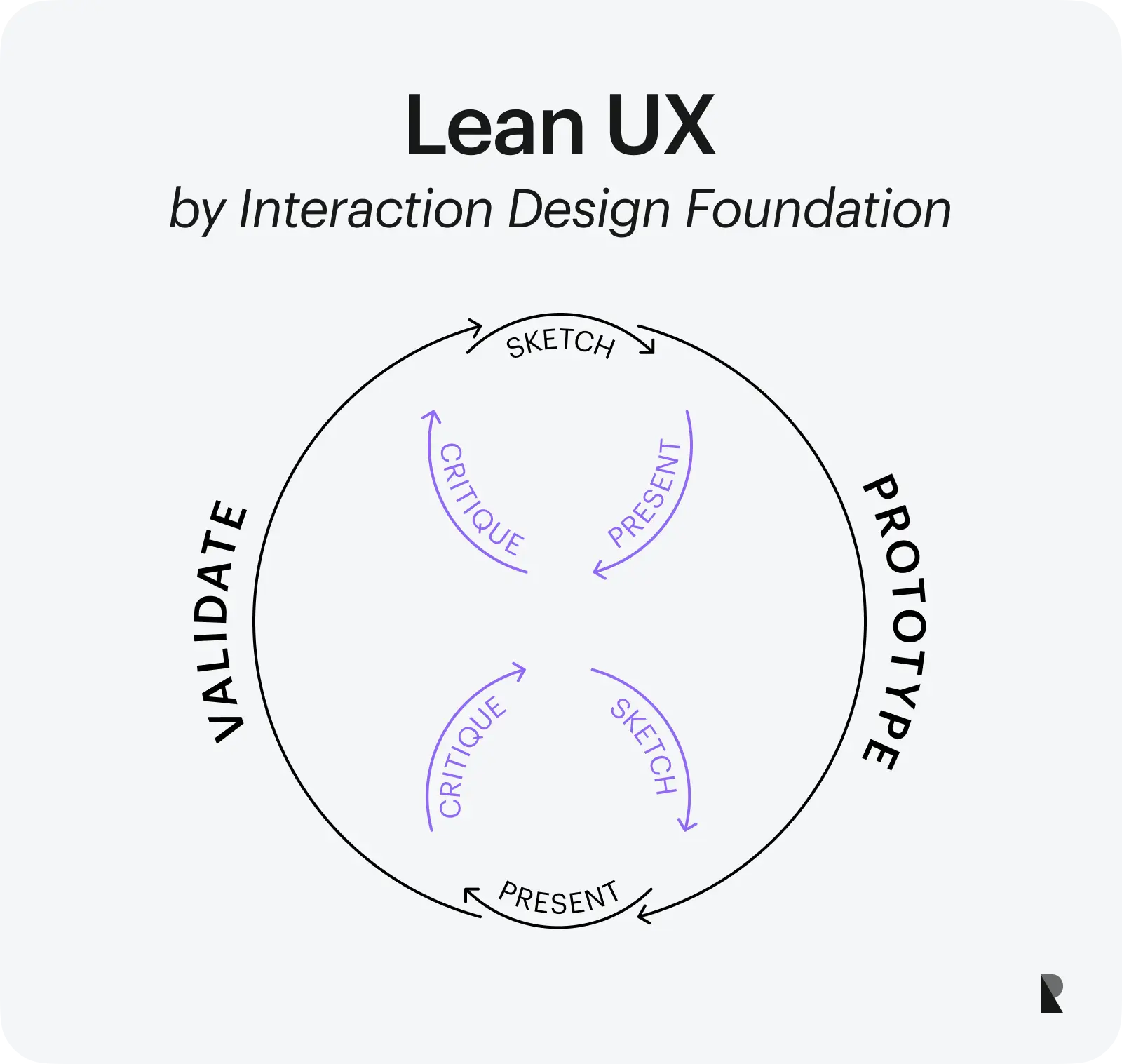
The prototyping phase allows teams to see how the design decisions really look in the product. Additionally, these prototypes can be created with small increments in design sprints and then tested to ensure the product is heading in the right direction.
Interaction design tools
Visual prototypes are nothing without interactions. Designers rely on several tools, such as Figma, Sketch, and Adobe XD, to incorporate interactive elements in design. These tools help provide a real experience.
Another benefit of using interaction design tools is that they help create clickable prototypes, thus focusing on navigation, user flow, and calls to action. Together, prototyping and interaction design help present concepts clearly to users during this design phase.
Phase 7: Usability Testing and Validation
The next step in the UX design process is to assess the product and design decisions. This is where designers aim to ensure that the product works as intended and the user experience is smooth, intuitive, and helpful for the target audience.
Usability testing methods
It all starts with usability testing, where designers and researchers conduct tests with real users. The goal of this process is to get real feedback from real users to understand if the design is performing as intended.
Designers adapt several methods to conduct user tests, such as A/B testing, moderated testing sessions, and remote user testing, to gather both quantitative and qualitative data. The key aspect of user testing is to observe the users as they interact with designs in real time and gather authentic feedback.
Identify and fix UX issues
Collecting data from observations and feedback is one part of the testing phase. The other part is to use this information to identify design issues, pain points, and areas of improvement. This is where user feedback helps understand usability problems and friction points. These issues could include confusing navigation, unclear labels, or bad user flows.
The next step is to prioritize design problems based on their seriousness and frequency. Design teams heavily rely on these insights to fix critical design issues that could otherwise leave a bad impact on user experience. Aligning improvements with the design system ensures consistency, helping teams deliver user-friendly products.
Phase 8: Design Handoff and Implementation
After testing and improving designs, the design team is then ready to create deliverables for development teams. To ensure a smooth transition and reduce miscommunication, designers gather specifications, assets, UI components, and documentation so developers can understand the layouts, interactions, and user flows.
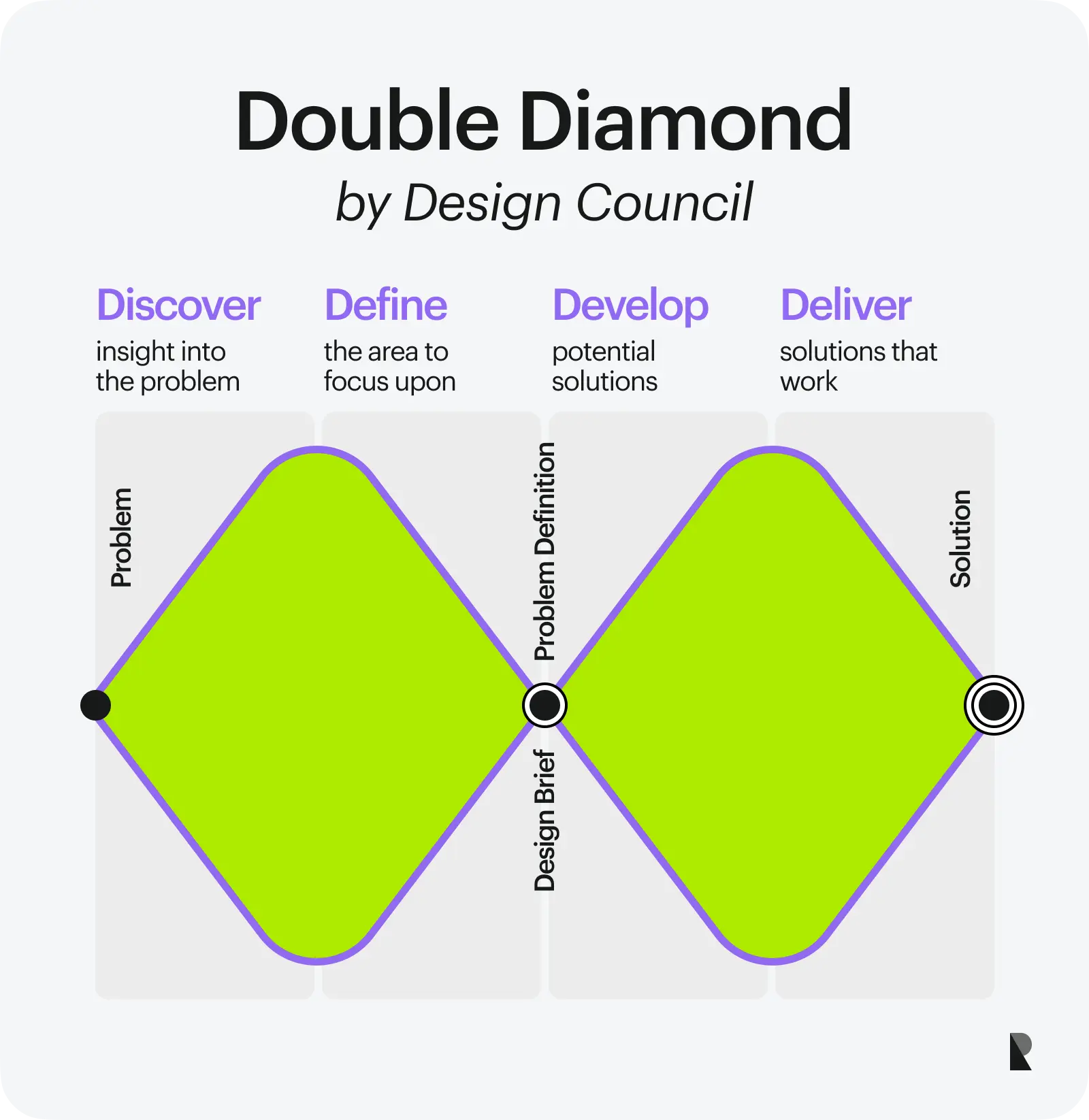
In this step, collaboration between design and development teams is crucial. Open communication and clarification of requirements at this stage can ensure alignment with users’ needs and reduce confusion and errors after development.
Phase 9: UX Iteration and Continuous Improvement
The UX design process does not end with development. Design, being an iterative process in nature, requires continuous evaluation and improvement. This is achieved by revising designs, evaluating them, and gathering feedback from users at regular intervals. Such an approach helps analyze product performance and highlights changing user needs.
Design and research teams continuously monitor key metrics, such as engagement and conversion rates, to identify areas of improvement and usability issues. Additionally, changes in design are evaluated by conducting usability tests. This feedback cycle ensures that designs are updated, relevant, and effective.
Conclusion
The UX design process is a methodical approach starting with research and problem definition, to design, testing, and iteration. Each stage of the process builds on the previous one, making the entire process effective and aligned with users’ needs. By following a well-defined UX design process, teams can reduce risks, improve usability, and deliver products with a quality user experience. It provides a reliable framework for solving design problems while maintaining consistency. A strong process is key to building successful, user-centered designs.
Apr 6, 2021

Creates insightful, strategy-driven content that translates complex design and branding concepts into accessible knowledge, supporting Ramotion’s mission to elevate digital experiences.