

A practical buyer’s guide for founders, CMOs and product teams
Choosing a UX design agency is not really about finding the most attractive portfolio. It is about finding the team most likely to reduce product risk, clarify user behaviour, and turn design decisions into measurable business outcomes.
At Ramotion, we work at the intersection of brand, product design, UX, and front-end implementation. That gives us a practical view of what separates a useful UX partner from a polished presentation. In this guide, I’ll compare leading UX design agencies by the factors that matter in real buying decisions: research depth, implementation capability, delivery speed, cost profile, team fit, and the kind of project each agency is best suited for.
Disclosure: Ramotion appears in this list because we operate in this category. I have included our own strengths and limitations in the same format as the other agencies so that the comparison remains useful rather than promotional.
How We Evaluated These UX Design Agencies
Before building the shortlist, we looked at each agency through four practical dimensions.
| Dimension | Why It Matters |
|---|---|
| Depth of Research | A strong UX agency should not start with screens. It should start with evidence. We looked for signs of user interviews, usability testing, product analytics, journey mapping, service design, field research, and structured discovery. |
| Implementation capability | Some agencies stop at strategy. Others can carry the work into UI design, design systems, front-end development, and engineering handoff. Neither model is automatically better. The right choice depends on whether your internal team can implement the work. |
| Project velocity | Speed matters when you are launching a product, preparing for a funding round, or fixing a conversion problem. We looked for agencies with clear delivery models, embedded teams, prototyping workflows, and practical handoff processes. |
| Cost and engagement fit | A premium consultancy, a boutique product studio, and a subscription design service solve very different problems. We considered minimum budgets, likely rate bands, and the kind of buyer each model serves best. |
Quick Comparison: Best UX Design Agencies by Use Case
| Agency | Best for | Main strength | Watch-out |
|---|---|---|---|
| Ramotion | Startups and tech companies needing UX, brand, and interface execution | Product design, brand alignment, design systems, handoff | Not the best fit for purely academic research or very large organisational transformation |
| IDEO | Enterprise innovation and complex human-centred problems | Deep research and design thinking | Expensive and less focused on final UI execution |
| Work & Co | Large brands launching digital products at scale | Product strategy, design, engineering | Better suited to major transformation than small UX tasks |
| Metalab | High-growth technology companies needing polished product design | Premium UI, interaction design, product polish | High price point and strong tech/startup bias |
| UX Studio | SaaS and B2B teams needing research-led UX | Dedicated UX research and embedded product design | Design-only model requires implementation capacity elsewhere |
| Neuron | B2B software and enterprise tools | Complex workflows, information architecture, usability | Less suited to consumer brand-led launches |
| Beyond | Global enterprises and strategic digital transformation | Design, data, technology, experimentation | Broad and strategic rather than a pure UX execution shop |
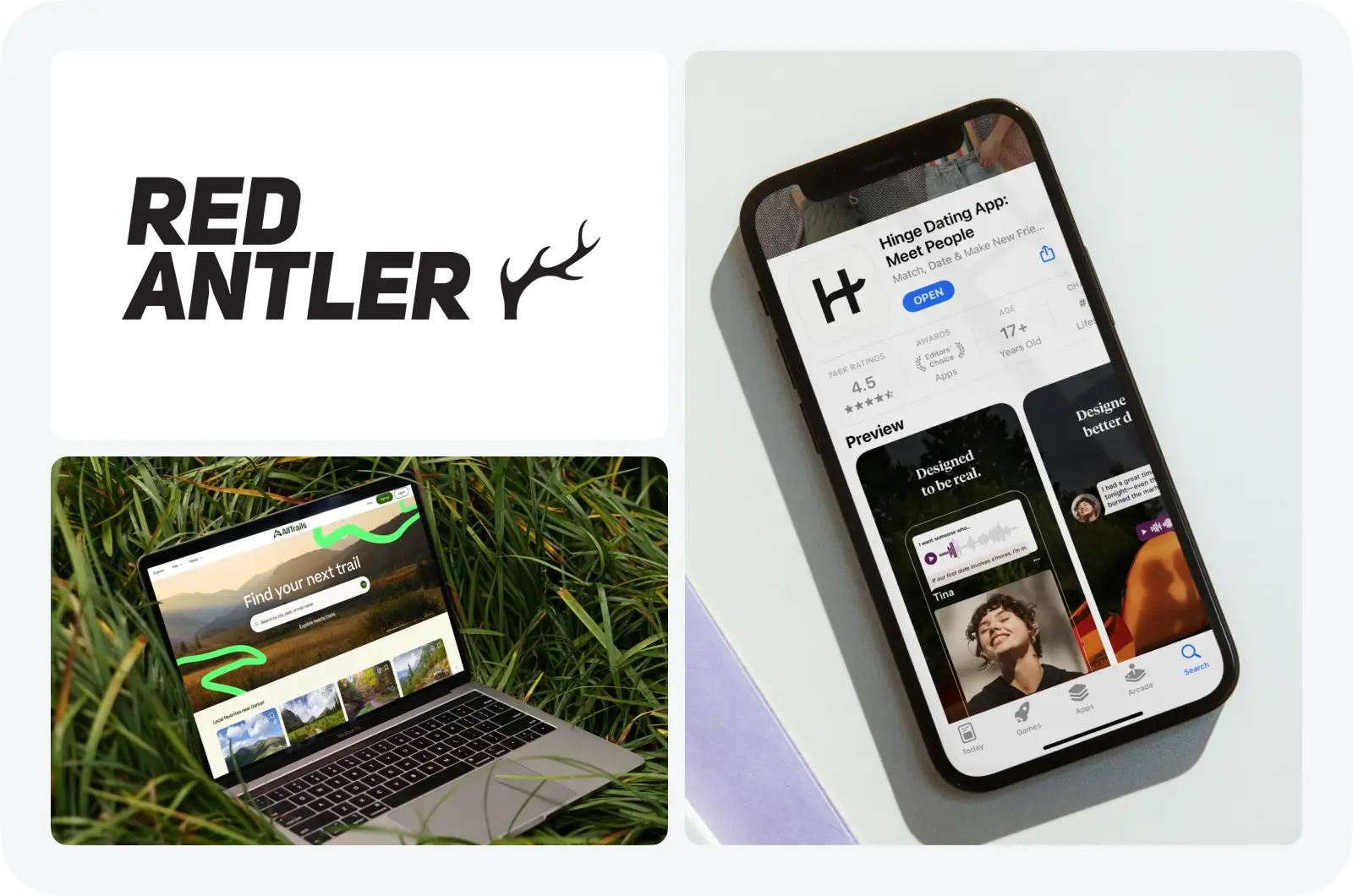
| Red Antler | Consumer startups and DTC launches | Brand strategy plus digital experience | UX is often part of a wider brand engagement |
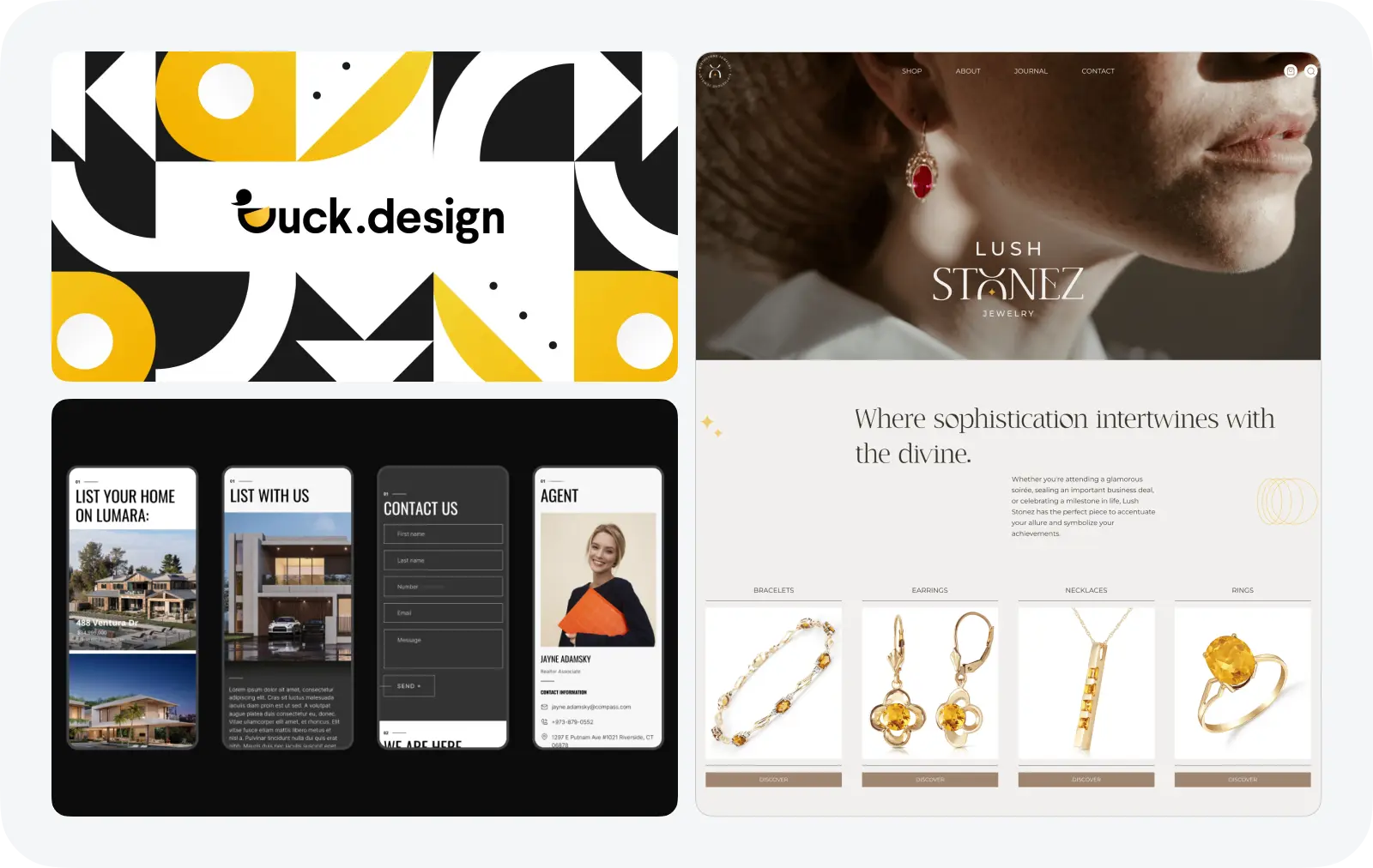
| Duck.design | Teams needing fast, ongoing design production | Subscription design, speed, predictable cost | Not ideal for deep UX research or strategic discovery |
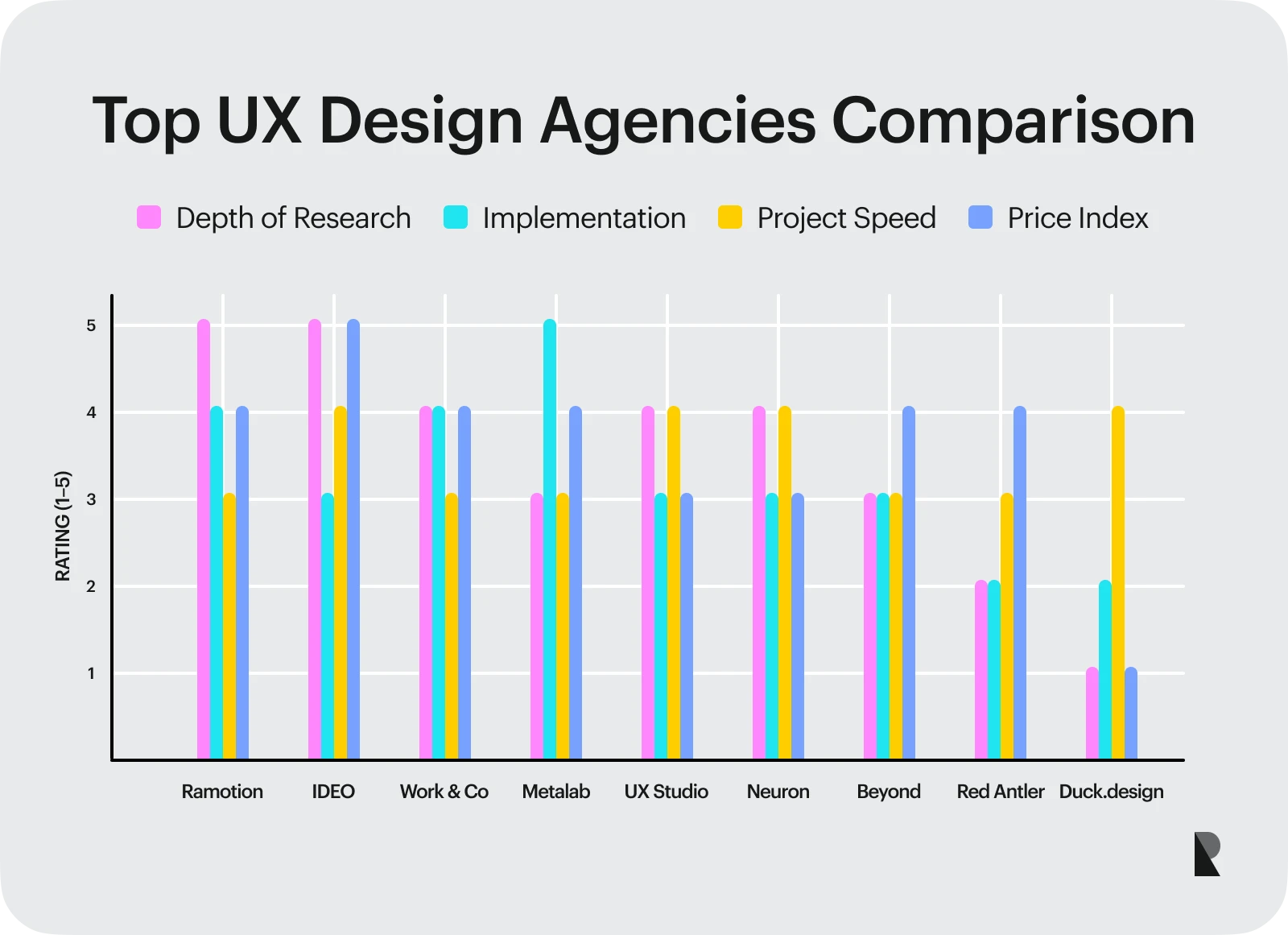
Each agency on this list brings an exceptional strength to the table. The key is matching their capabilities to your needs. Are you building from scratch? Redesigning something complex? Or scaling across multiple platforms and time zones? Whatever the case, a UX design company here can help you move forward and stay ahead.
If unsure where to begin, consider contacting a few agencies for a discovery call. The best partnerships start with honest conversations and the right UX agency won’t just execute. They’ll ask the right questions, challenge your assumptions, and build something better with you.
In my experience, the best agency choice usually becomes clear when you answer one question honestly: Do you need strategic discovery, production velocity, technical implementation, or all three?
Ramotion
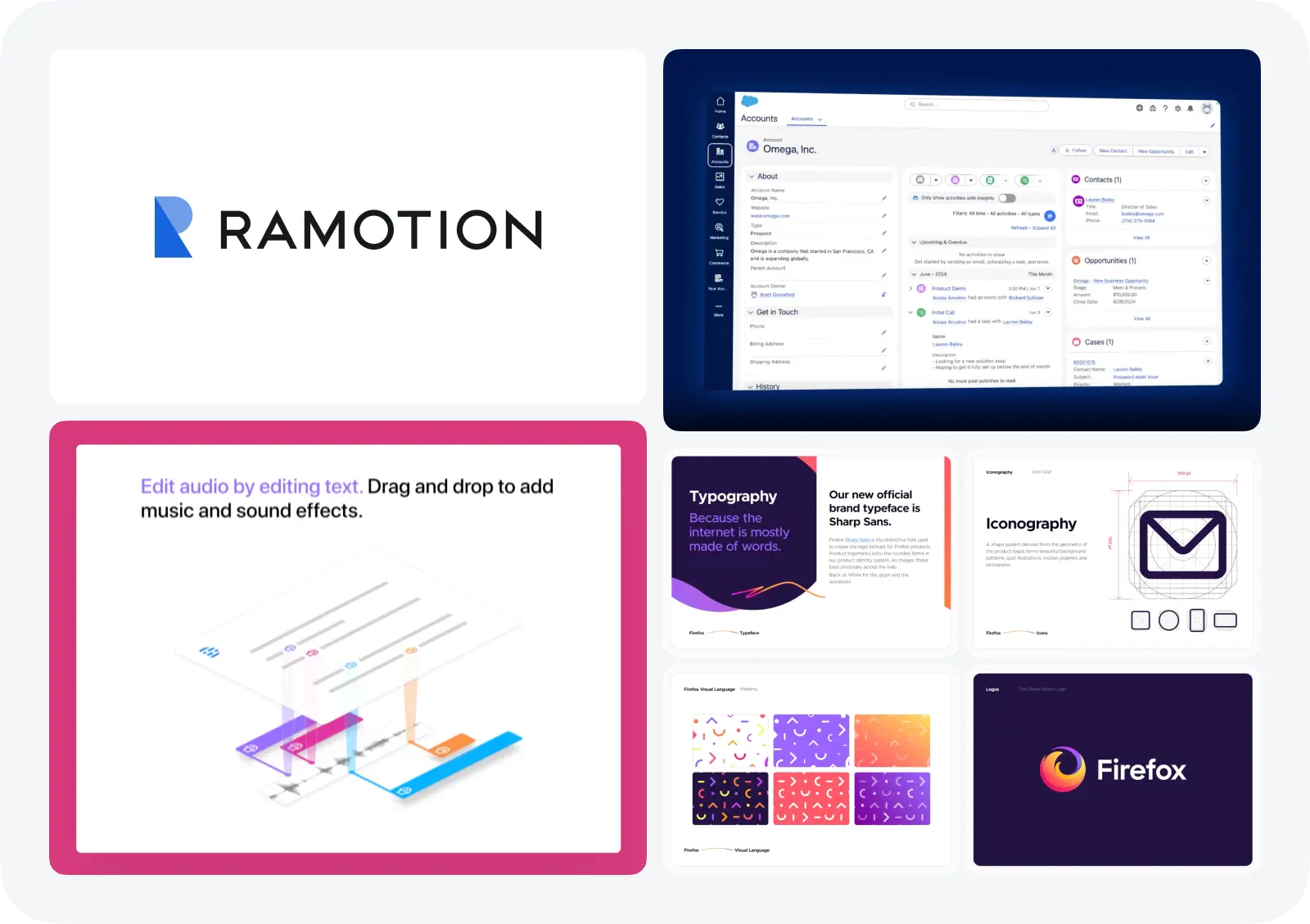
Best for: Startups, SaaS companies, and technology brands that need UX, UI, brand identity, and implementation-ready design under one roof.
Strengths:
- UX and UI design connected to brand strategy
- Design systems and developer-ready handoff
- Product redesign for startups, SaaS, and B2B companies
- Front-end and web development support
- Strong fit for teams that need execution, not just strategy
Best-fit projects: Ramotion is a good fit when you are redesigning a SaaS product, launching a new digital product, improving onboarding, preparing a brand/product refresh, or building a design system that developers can actually use.
Downside: We are not the right choice for every project. If your challenge is mostly organisational change, policy research, or large-scale service design across thousands of employees, a broader consultancy such as IDEO or Beyond may be a better fit.
Internal resources to review: For buyers comparing options, I would connect this section to Ramotion’s UX design, design system, web design, branding, SaaS UX design, B2B UX design, and product redesign pages. Those pages give more context on how we approach specific engagement types.
Ramotion is a San Francisco-based digital product and brand design agency. Our strongest work happens when a company needs more than interface polish. We are usually brought in when product experience, brand perception, and implementation quality all need to move together.
That matters because UX rarely lives in isolation. A pricing page, onboarding flow, dashboard, or mobile app experience is also a brand experience. If the visual system says one thing and the product behaviour says another, users feel the disconnect immediately.
| Location(s) | San Francisco (CA, USA) |
| Founded | 2009 |
| Team Size | 10–49 |
| Clients | Startups, SMBs |
| Services | Branding, UI/UX Design, Web Development, Mobile Apps |
| Budgets | $60,000+ |
| Industries | Technology, Education, Finance, Healthcare |
IDEO
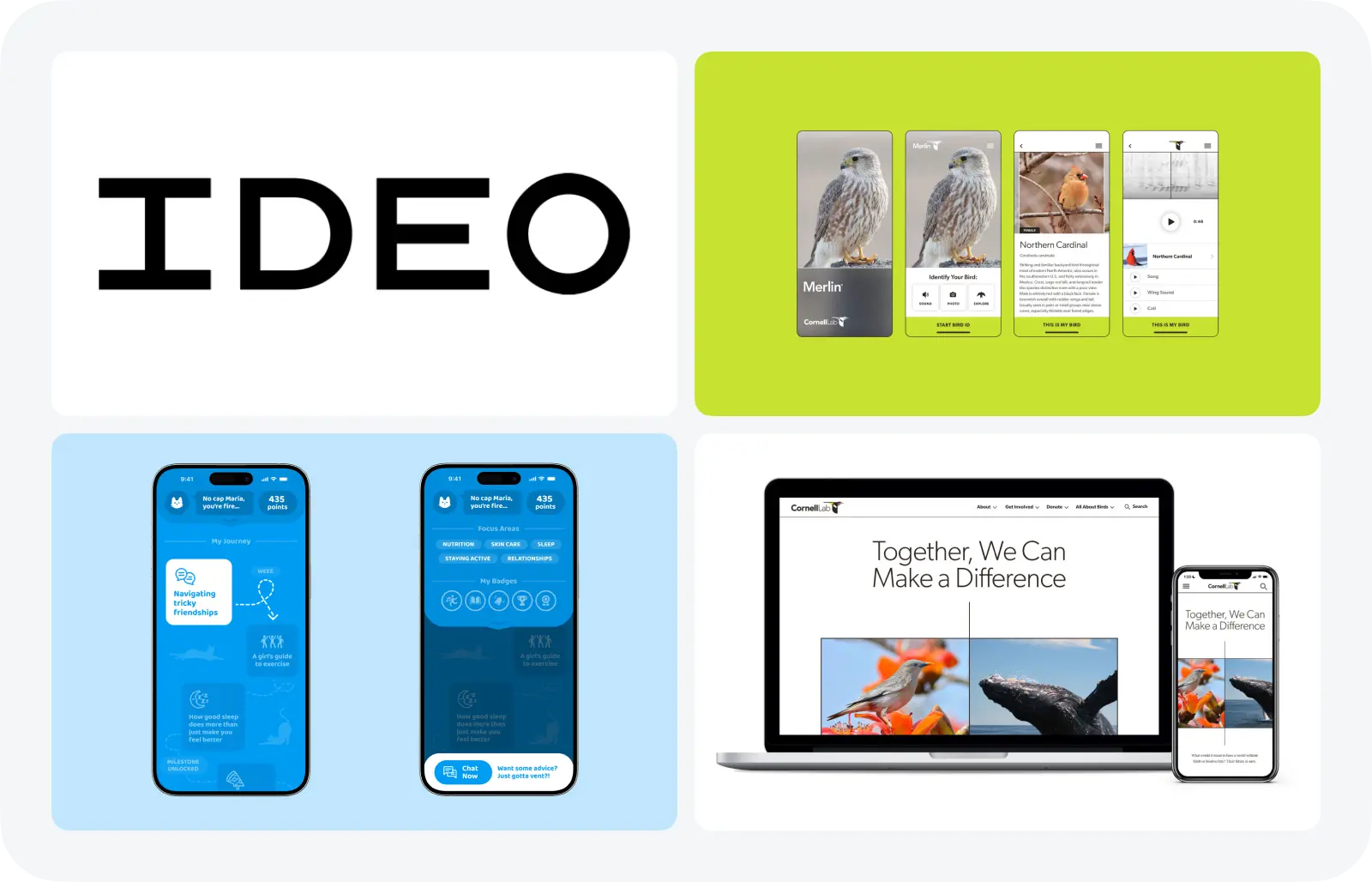
Best for: Organisations facing ambiguous, high-stakes innovation problems.
Strengths:
- Deep human-centred research
- Strong design thinking heritage
- Ability to work across products, services, systems, education, healthcare, mobility, and social impact
- Useful for early-stage ambiguity and strategic exploration
Best-fit projects: IDEO is strongest when the brief is broad, complex, and uncertain. Think new service models, multi-stakeholder ecosystems, healthcare experiences, education systems, or innovation programmes.
Downside: IDEO is less likely to be the most efficient option if you already know what you need and simply require high-quality UI production or front-end implementation. The value is in upstream thinking, not just output.
IDEO remains one of the most recognised names in human-centred design. The agency is especially strong when the problem is not simply “redesign this screen,” but “help us understand what people need, what we should build, and how the organisation should think differently.”
| Location(s) | San Francisco (CA, USA) |
| Founded | 1991 |
| Team Size | 500+ |
| Clients | SMBs, Enterprise |
| Services | Branding, Design Strategy, UI/UX Design, Web Development |
| Budgets | $50,000+ |
| Industries | Greentech, Hospitality, Consumer Products, Health |
Work & Co
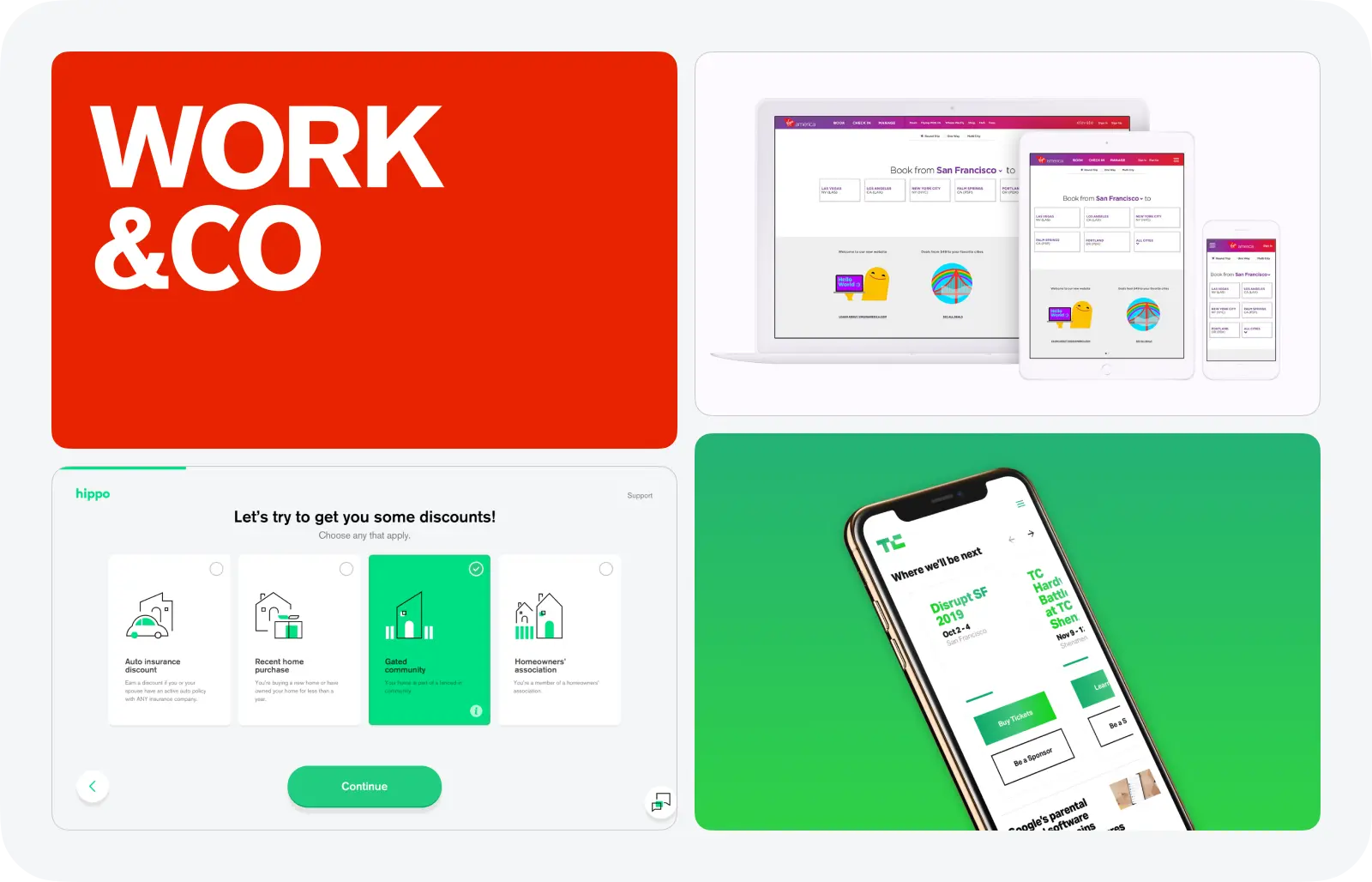
Best for: Enterprise product launches and large-scale digital platforms.
Strengths:
- End-to-end product design and development
- Strong digital product launch experience
- High-velocity prototyping and iteration
- Enterprise-grade delivery
Best-fit projects: Work & Co is a sensible shortlist candidate for large eCommerce platforms, customer apps, digital transformation programmes, and high-traffic consumer products.
Downside: For smaller teams, the scale and cost may be more than the project requires. If your need is a targeted UX audit, onboarding redesign, or design system extension, a smaller specialist may be more efficient.
Work & Co is a strong choice for major brands that need strategy, design, and engineering to move together. Their model is attractive for companies that cannot afford a disconnect between the team designing the experience and the team building it.
| Location(s) | Brooklyn (NY, USA), Portland (OR, USA), São Paulo (Brazil) |
| Founded | 2013 |
| Team Size | 250–999 |
| Clients | SMBs, Enterprise |
| Services | Product Design, Web Concept, UX/UI Design |
| Budgets | $50,000+ |
| Industries | Consumer Products, Sports, Entertainment, Technology |
Metalab
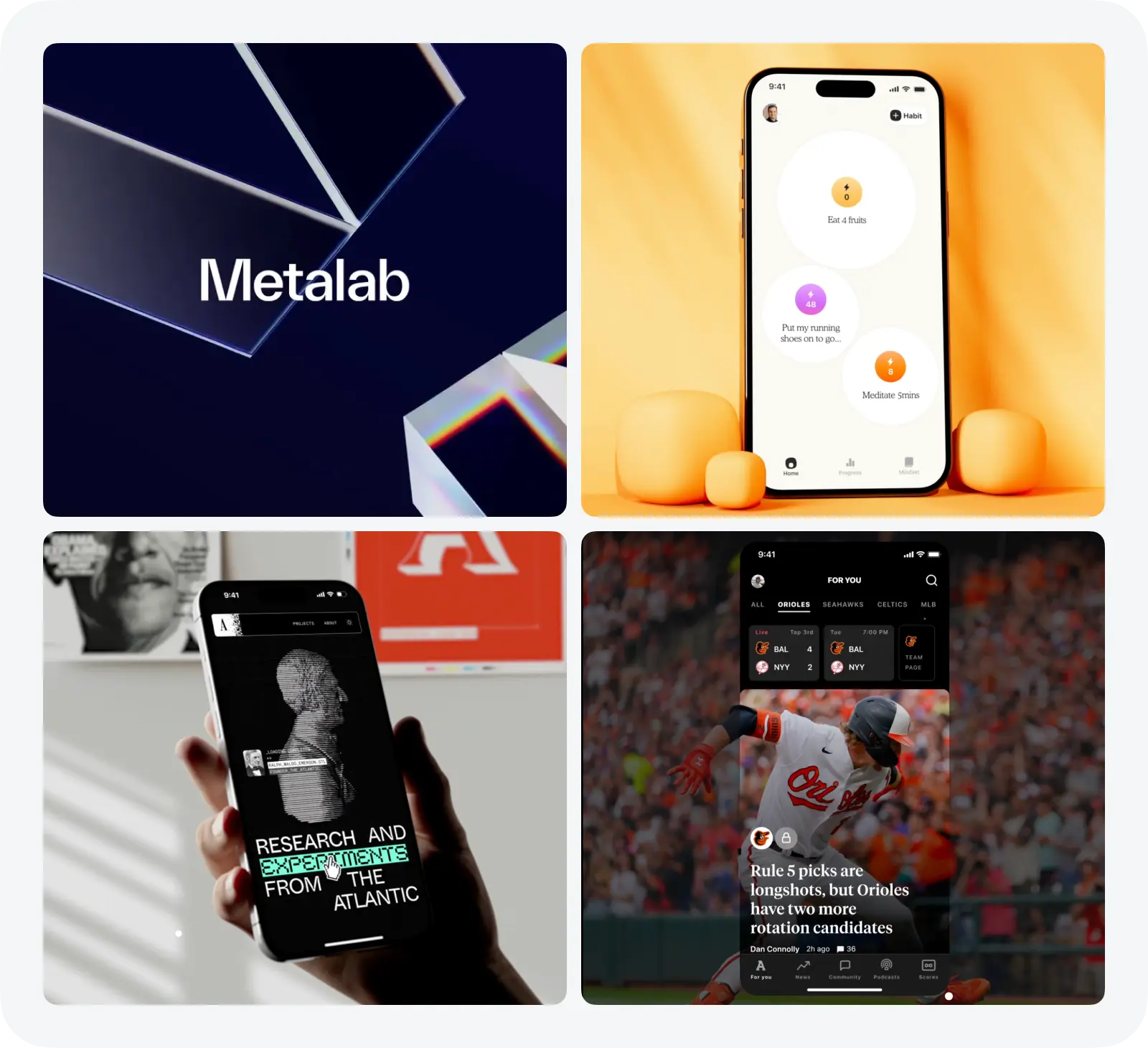
Best for: Technology companies that want premium product design and high-polish interfaces.
Strengths:
- Excellent visual and interaction design
- Strong product strategy for digital products
- Fit for startups and established technology companies
- Ability to connect UX, UI, and engineering thinking
Best-fit projects: Metalab is a strong candidate for venture-backed products, AI tools, SaaS platforms, and consumer apps that need to look and feel market-leading.
Downside: The premium positioning may not suit smaller teams or companies that need a narrow research project rather than a full product design partner.
Metalab is known for helping shape products that feel modern, polished, and commercially ready. Their strength is especially visible in high-growth tech environments where product perception matters as much as usability.
| Location(s) | Victoria (BC, Canada) |
| Founded | 2006 |
| Team Size | 10-49 |
| Clients | SMBs, Enterprise |
| Services | Web Design, UI Library, Motion Frameworks, UX Design |
| Budgets | $50,000+ |
| Industries | Technology, Educational, Clothing, Healthcare |
UX Studio
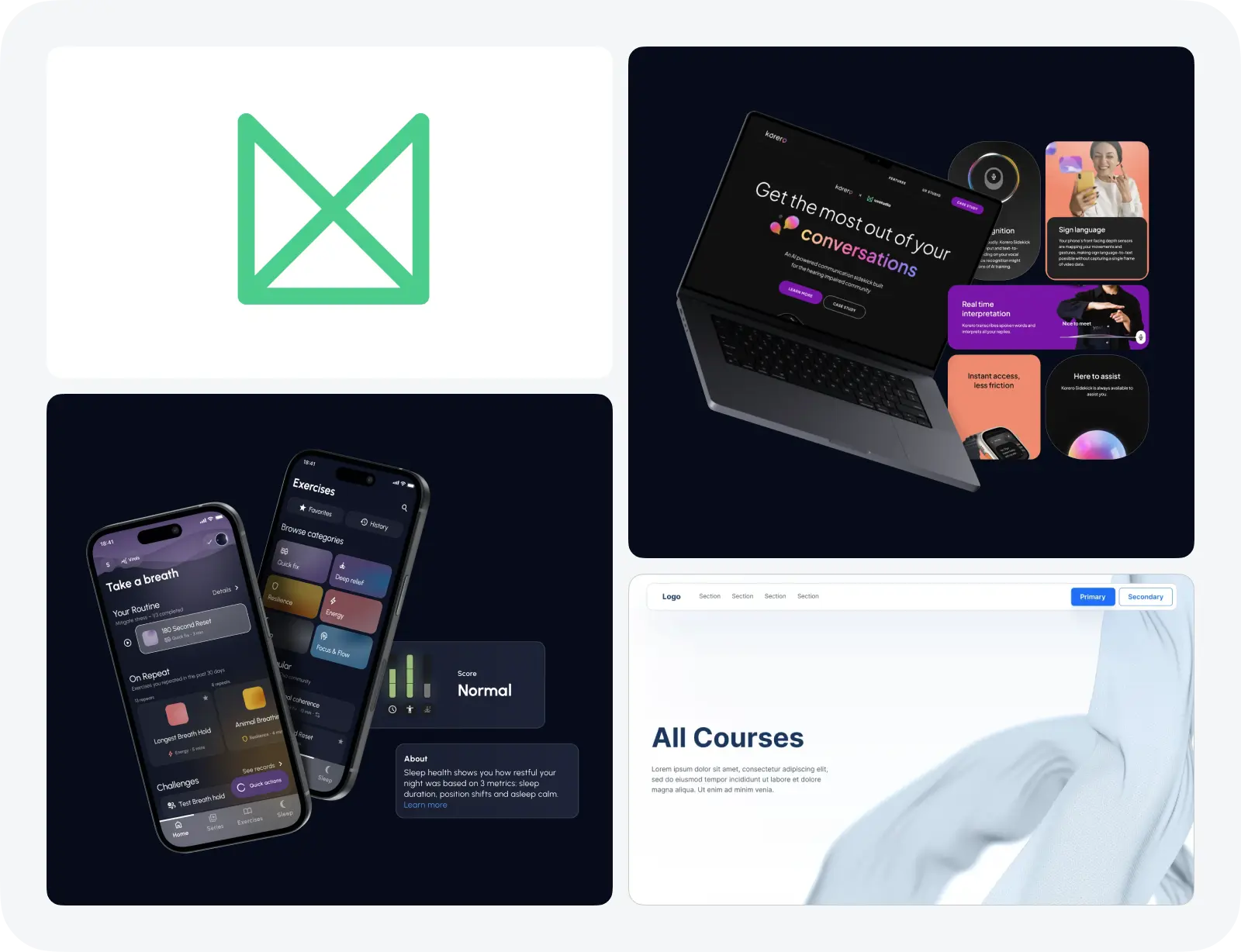
Best for: SaaS, B2B, and product teams that want research-led UX support.
Strengths:
- UX research depth
- Usability testing and evidence-based design
- Embedded team model
- Strong fit for SaaS and complex digital products
Best-fit projects: UX Studio is worth considering when you have a product team and development capacity already, but you need stronger UX research, product discovery, or continuous design support.
Downside: Because it is more design-focused than full-service, you need to be clear about who will implement the work. If your internal engineering team is stretched, handoff quality becomes critical.
UX Studio is a good example of a specialist UX partner. Its value is not just in producing screens but in helping teams understand users, test assumptions, and improve product decisions over time.
| Location(s) | Budapest, Hungary |
| Founded | 2013 |
| Team Size | 50–249 |
| Clients | Enterprise, SMBs |
| Services | UI/UX Design, Product Design, Web Design |
| Budgets | $10,000+ |
| Industries | Medical. Business Services, Financial, Hospitality |
Neuron
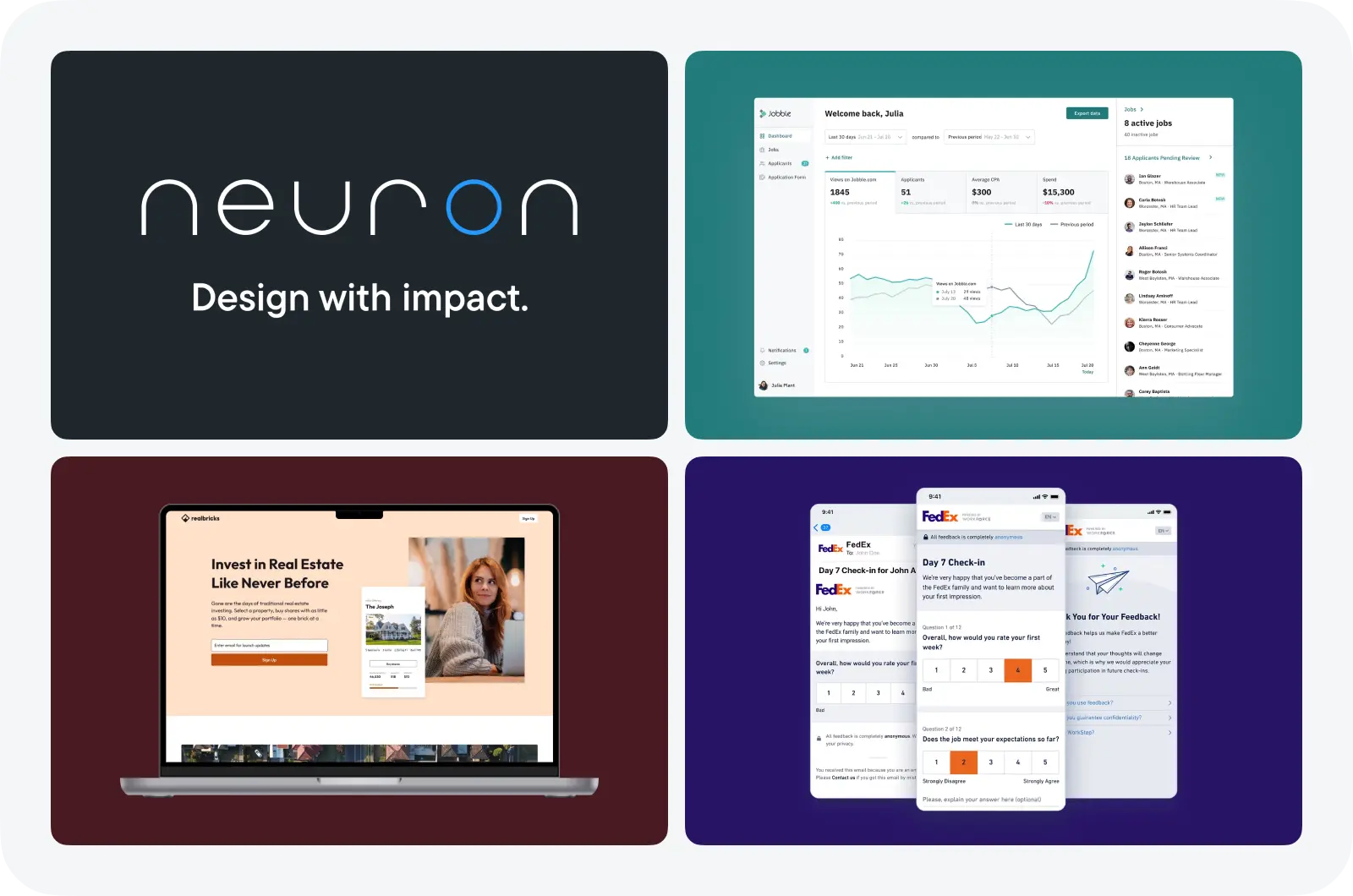
Best for: B2B software, enterprise tools, dashboards, and complex workflows.
Strengths:
- Enterprise UX and B2B product expertise
- Information architecture
- Workflow simplification
- Product blueprinting and specification
Best-fit projects: Neuron belongs on the shortlist for internal tools, dashboards, data-heavy platforms, workflow software, and productivity products.
Downside: If you need a consumer launch with brand storytelling and emotional positioning, Red Antler or Ramotion may be a better fit.
Neuron is a strong fit for products where usability depends on clarity, structure, and workflow logic. In complex B2B software, the best UX is not always the flashiest. It is the experience that helps users complete difficult tasks with fewer errors.
| Location(s) | San Francisco (CA), Los Angeles (CA), Boston (MA, USA) |
| Founded | 2016 |
| Team Size | 10–49 |
| Clients | SMBs |
| Services | UX Strategy, User Research, Usability Testing |
| Budgets | $25,000+ |
| Industries | Consumer Products, Education, Finance, Real Estate |
Beyond
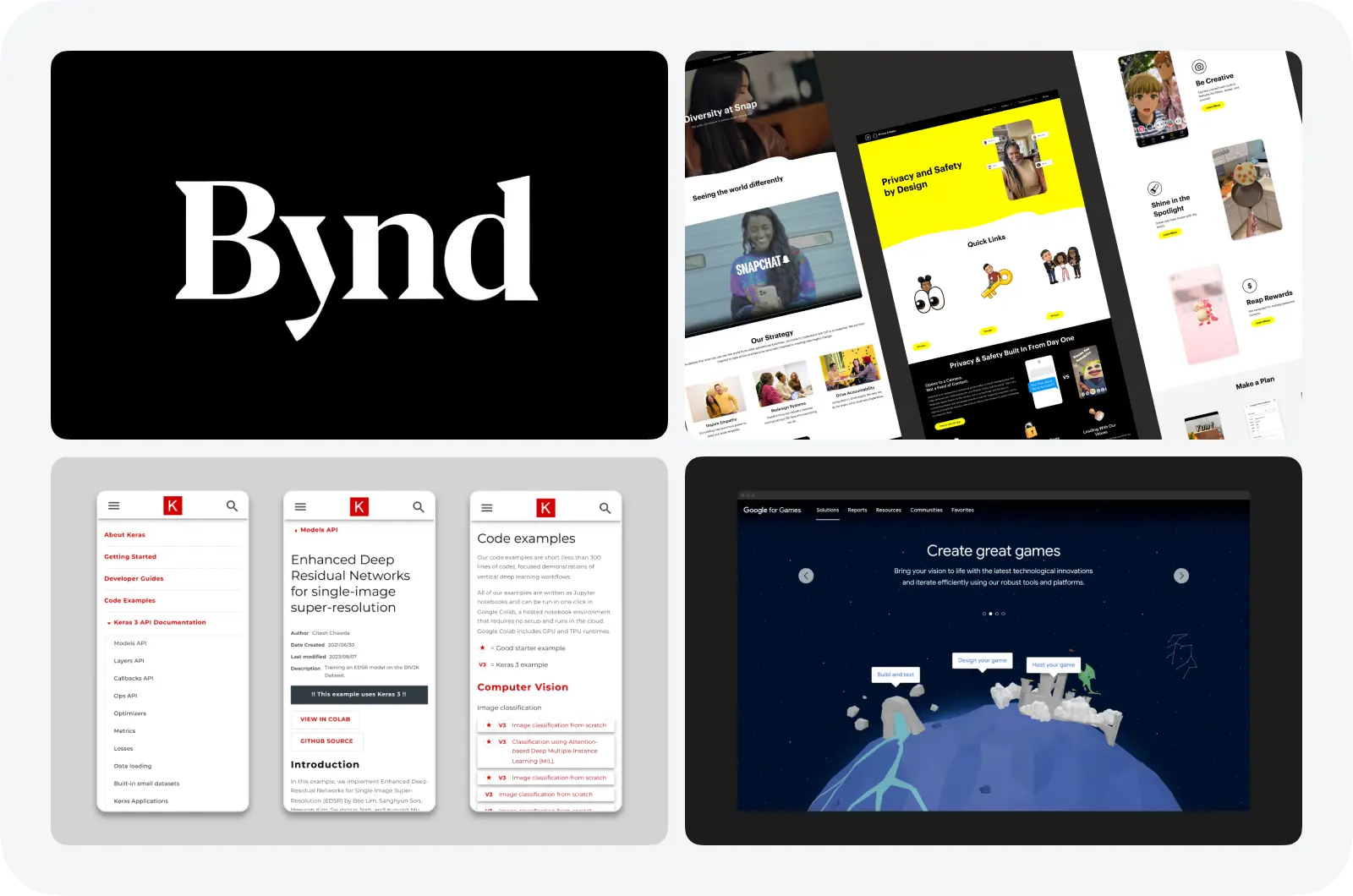
Best for: Enterprises connecting digital experience, technology, and business transformation.
Strengths:
- Strategic digital experience
- Design and technology integration
- Experimentation and data-informed work
- Enterprise and global team capability
Best-fit projects: Beyond is suitable for companies that need to modernise a digital ecosystem rather than redesign a single interface.
Downside: For smaller UX tasks, the model may be too broad. You should choose Beyond when the business challenge justifies that strategic scope.
Beyond sits closer to strategic digital transformation than pure UX production. That makes it useful for large organisations where customer experience, internal capability, technology, and business model all overlap.
| Location(s) | San Francisco (CA, USA), New York City (NY, USA), London (UK) |
| Founded | 2010 |
| Team Size | 50–249 |
| Clients | Enterprise |
| Services | Digital Strategy, Branding, Product Design, AR/VR |
| Budgets | $75,000+ |
| Industries | Information Tech, Media, Retail, Finance |
Red Antler
Best for: Consumer startups, DTC brands, and companies launching a new market-facing experience.
Strengths:
- Brand strategy
- Launch strategy
- Consumer product positioning
- Digital experience tied to narrative
Best-fit projects: Red Antler is a strong choice for consumer launches, rebrands, DTC experiences, and companies that need a clear story as much as a usable interface.
Downside: If your main need is a deep technical UX audit, analytics-led experimentation, or enterprise workflow redesign, a more UX-specialist agency may be a better fit.
Red Antler is strong where brand and product experience need to be created together. For early-stage consumer companies, this can be valuable because the product interface often becomes the most important expression of the brand.
| Location(s) | Brooklyn (NY, USA) |
| Founded | 2007 |
| Team Size | 50–249 |
| Clients | SMBs, Enterprise |
| Services | Advertising, Branding, Digital Strategy, Web Design |
| Budgets | $10,000+ |
| Industries | Technology, Education, Finance, Healthcare |
Duck.design
Best for: Teams that need steady design output at a predictable monthly cost.
Strengths:
- Subscription-based design
- Fast turnaround
- Predictable cost
- Broad production support across UI, graphics, and motion
Best-fit projects: Duck.design works well when you have clear direction and need execution volume: landing pages, UI updates, marketing design, simple product screens, and campaign assets.
Downside: It is not the first choice for deep UX research, strategic product discovery, or complex product architecture. Speed and affordability come with trade-offs.
Duck.design serves a different market from the premium consultancies. Its subscription model can be helpful for marketing teams, startups, and agencies that need ongoing design capacity without hiring a full internal team.
| Location(s) | London (UK), New York City (NY, USA) |
| Founded | 2017 |
| Team Size | 50–249 |
| Clients | Startups, SMBs |
| Services | Graphic Design, Branding, UX/UI Designs |
| Budgets | $1,000+ |
| Industries | Advertising, Arts, Education, Consumer Products |
What a UX Design Agency Actually Does?
A UX design agency helps companies understand users, remove friction, and design digital products that are easier to adopt, use, and grow.
Typical services include:
- UX research
- Stakeholder interviews
- User interviews
- Journey mapping
- Information architecture
- Wireframes
- Interactive prototypes
- UI design
- Usability testing
- Design systems
- Developer handoff
- Post-launch optimisation
From a delivery perspective, the sequence matters. In Ramotion projects where information architecture was clarified before UI design, we usually saw fewer duplicated components and fewer navigation changes during development. In our internal project notes, IA and workflow decisions made too late were among the most common reasons a “simple redesign” became a more expensive product rethink.
The mistake I often see is treating UX as decoration. UX is not a final layer of polish. It is a decision-making discipline that should influence what you build, how you structure it, and how you measure whether it works.
When Should You Hire a UX Design Agency?
You should consider hiring a UX agency when the cost of getting the experience wrong is high.
That usually applies when:
- Your product has a complex onboarding flow.
- Users need too much support to complete basic actions.
- Your website attracts traffic but fails to convert.
- Your SaaS product has weak activation or retention.
- Your internal design team lacks research capacity.
- Your engineering team needs clearer product specifications.
- You are preparing for a launch, redesign, funding round, or market expansion.
I would pay special attention to support load and onboarding friction. Across a set of Ramotion SaaS audits, products with unclear onboarding, weak empty states, and inconsistent in-app guidance usually had more support-driven UX debt than the founders initially expected. In several cases, the UX problem was not that users disliked the product; it was that they needed too much help to reach the first meaningful outcome.
You may not need an agency yet if your positioning, audience, or product direction is still unclear. In that case, lighter validation work may be more useful before a full UX engagement.
How to Choose the Right UX Design Agency?
Start with the business problem
Do not begin with “we need better design.” Begin with the outcome.
For example:
- Increase trial-to-paid conversion.
- Reduce onboarding drop-off.
- Improve feature adoption.
- Reduce support tickets.
- Simplify a complex workflow.
- Prepare a product for enterprise buyers.
- Build a design system for faster releases.
When clients come to us with a vague goal like “make it look more modern,” we usually try to translate that into an operational metric before proposing the work. The strongest briefs tend to name one primary business constraint: activation, conversion, retention, enterprise trust, implementation speed, or design-system scalability. That single constraint makes agency evaluation much more objective.
The clearer the outcome, the easier it is to evaluate agencies.
Ask to see relevant case studies
A beautiful portfolio is not enough. Look for case studies that explain:
- What problem the client had
- What research was done
- What constraints existed
- What changed in the product
- What results were measured
- What trade-offs were made
The case studies that best predict fit usually explain what changed after research, what trade-offs were made for engineering, and which UX decisions were tied to measurable business outcomes. A portfolio without that context is useful for judging taste, but not project judgment.
A common mistake I’ve seen is choosing an agency because its visual style looks impressive. For B2B and SaaS products, relevance matters more than style.
Evaluate the actual project team
The people on the sales call are not always the people doing the work. Ask who will be assigned to your project.
For a serious UX engagement, I would expect some combination of:
- UX researcher
- Product designer
- UI designer
- Design lead or creative director
- Product strategist
- Project manager
- Front-end or technical partner, if implementation is included.
For complex UX work, team composition affects quality more than headcount. The most efficient teams are usually small but senior: one lead product designer, one UX or product strategist, one UI/design-system specialist, and a project lead who can manage decisions. Adding more people does not automatically improve the work; adding the right decision-makers does.
Check the handoff process
Developer handoff is where many UX projects lose value.
Ask the agency:
- Will we receive annotated designs?
- Will there be a design system or component library?
- How are responsive states documented?
- Who answers developer questions after handoff?
- Are edge cases included?
- Do we own all source files and IP after payment?
If the agency cannot answer those questions clearly, implementation risk is high.
Make the proposal prove listening
A strong proposal should reflect your actual situation. Be cautious if the proposal is full of generic promises but light on research plan, deliverables, team allocation, timelines, risks, and decision points.
A practical test I use: the proposal should include at least one risk the client did not explicitly mention. In our own sales and discovery process, the strongest proposals usually identify hidden constraints such as analytics gaps, stakeholder misalignment, missing technical ownership, or unclear post-launch measurement. If a proposal only repeats the brief back to you, it may be well-written, but it has not yet created new value.
How UX Agencies Price Their Work
UX agencies usually price work in three ways.
| Type | Description | Best for | Risk |
|---|---|---|---|
| Time-based pricing | You pay for the time spent by the team. This model works well when scope is still evolving or you need ongoing support | Product teams, retainers, flexible roadmaps, continuous improvement | Costs can expand if priorities are not controlled |
| Fixed-price projects | The agency agrees to a defined scope and price | Website redesigns, MVP design, audits, defined product flows | Any scope change may require a change request |
| Retainers or embedded teams | The agency provides ongoing capacity each month | SaaS teams, marketing teams, product-led growth, long-term optimisation | Value depends on whether you have enough prioritised work and internal decision speed. |
Pricing model matters less than decision speed and scope clarity. Fixed-price projects work well when flows, pages, and deliverables are known. Time-based or retainer models work better when the product roadmap is changing. In our own project tracking, the engagements most likely to exceed the original scope were not necessarily the largest ones; they were the ones where success metrics and decision ownership were unclear at the start.
How to Measure UX ROI
UX should be tied to measurable outcomes.
Useful metrics include:
- Onboarding completion
- Trial-to-paid conversion
- Activation rate
- Checkout conversion
- Feature adoption
- Retention
- Expansion revenue
- Support ticket volume
- Time to complete key tasks
- User satisfaction scores
The metric should match the project type. For SaaS onboarding, I usually look at activation and time-to-value. For marketing sites, I look at conversion quality, not just total leads. For design systems, I look at release speed, component reuse, and reduction in repeated design decisions. In my experience, the most measurable UX wins usually came from projects where the success metric was chosen before design exploration began.
A simple ROI model is:
ROI = incremental gain minus UX cost, divided by UX cost.
For example, if a UX redesign costs $75,000 and creates $150,000 in additional annual revenue, the first-year net gain is $75,000. That means the project pays back its cost in year one, before considering future gains.
A second-order gain is often harder to see but important: reduced decision friction. In redesign and design-system engagements, the measurable business outcome was supported by a quieter operational improvement: fewer repeated layout decisions, fewer one-off components, and clearer rules for future product updates. That does not always show up in a simple revenue model, but it affects the cost of every release that follows.
Red Flags When Hiring a UX Design Agency
Be cautious if an agency:
- Talks only about visuals and not user behaviour.
- Cannot explain its research process.
- Shows portfolios without outcomes.
- Avoids discussing trade-offs.
- Gives a quote before understanding the problem.
- Cannot name who will work on your project.
- Has no clear handoff process.
- Treats UX as a one-off polish phase.
- Cannot explain how success will be measured.
One pattern I have learned to watch for is overconfidence before discovery. In my own lost-fit and post-project notes, the riskiest early signal is an agency or team that can estimate the solution too precisely before understanding the product constraints. Serious UX work should reduce uncertainty, but it should not pretend uncertainty does not exist.
The best UX partners are comfortable challenging assumptions. If an agency simply agrees with everything in the brief, you may be buying production rather than judgement.
Key Takeaways
- The best UX agency is not the one with the prettiest portfolio. It is the one whose strengths match your project risk.
- Use Ramotion, Metalab, or Work & Co when product execution and interface quality matter heavily.
- Use IDEO or Beyond when the problem is broad, ambiguous, and strategic.
- Use UX Studio or Neuron when research, usability, and complex product flows are central.
- Use Red Antler when brand launch and product experience must be built together.
- Use Duck.design when you need fast, predictable design production rather than deep UX strategy.
- Always evaluate process, team, evidence, handoff, and measurement before signing.
- Treat proprietary delivery evidence as part of the evaluation. Agencies that can explain what they have learned from real handoffs, launches, redesigns, and post-launch measurement usually bring more than presentation-level expertise.
- Ask for downsides. A trustworthy agency should be able to tell you where it is not the best fit.
Conclusion
A good UX agency does more than make a product look better. It helps your team make better decisions, reduce uncertainty, and create a digital experience that users can understand, adopt, and trust. The right choice depends on your stage, internal capabilities, budget, and risk. Start with the business outcome, then choose the agency whose process and team are built to deliver it.
After reviewing many UX engagements from the inside, my strongest advice is to evaluate agencies by their operating memory: what they have learned from real research sessions, difficult handoffs, missed assumptions, launch pressure, and measurable product outcomes. That kind of experience is difficult to fake because it shows up in the specificity of the questions an agency asks.
-
What does a UX design agency do?
A UX design agency researches, designs, tests, and improves digital experiences. Its work can include user research, information architecture, wireframes, prototypes, UI design, usability testing, design systems, and developer handoff.
-
How much does a UX design agency cost?
Costs vary widely by region, scope, seniority, and engagement model. Small UX audits or focused design tasks can cost far less than full product redesigns. Strategic SaaS, enterprise, or end-to-end product work often requires a five- or six-figure budget.
-
Should I hire a UX agency, freelancer, or in-house designer?
Hire a freelancer for narrow, well-defined tasks. Hire in-house when you need continuous product context. Hire a UX agency when the problem is complex, urgent, cross-functional, or requires skills your internal team does not have.
-
What should I ask before hiring a UX agency?
Ask who will work on the project, how they conduct research, what deliverables you will receive, how they measure success, how they handle scope changes, and whether you will own all source files and IP.
-
What is the biggest red flag in a UX agency proposal?
The biggest red flag is a proposal that promises better design without explaining how the agency will understand users, validate decisions, manage trade-offs, and measure outcomes.

Leads Ramotion in crafting impactful digital products and brand identities, combining two decades of design expertise with an iterative approach that drives innovation for startups and enterprises alike.