
Attracting attention through head-turning logos, one-off viral moments, or celebrity endorsements no longer buy long-term trust. Nowadays, customers expect brands to be deliberate and consistent across every interaction—visual, verbal, and experiential.
They value clarity about what a brand stands for, how it behaves, and how those commitments show in product, service, and communications. Brand representation allows you to do this, turning identity into an experience that lets people form repeatable judgments about you.
Defining Brand Representation
Brand representation is the set of visual (logo, color palette, typography, imagery), verbal (tone of voice, messaging, tagline), and interactional cues that shape how people perceive your organization. It is everything a person encounters when they engage with you, which they use to evaluate and advocate for your brand.
Effective brand representation zeroes in on two things: alignment with your audience and pattern consistency. When both are present, recognition becomes automatic and trust accumulates. Otherwise, a brand lives in the background, constantly forced to re-earn attention and credibility.
Brand Representation vs. Brand Identity
Brand representation and brand identity deal with how an organization presents itself, which makes them seem interchangeable. But they’re not.
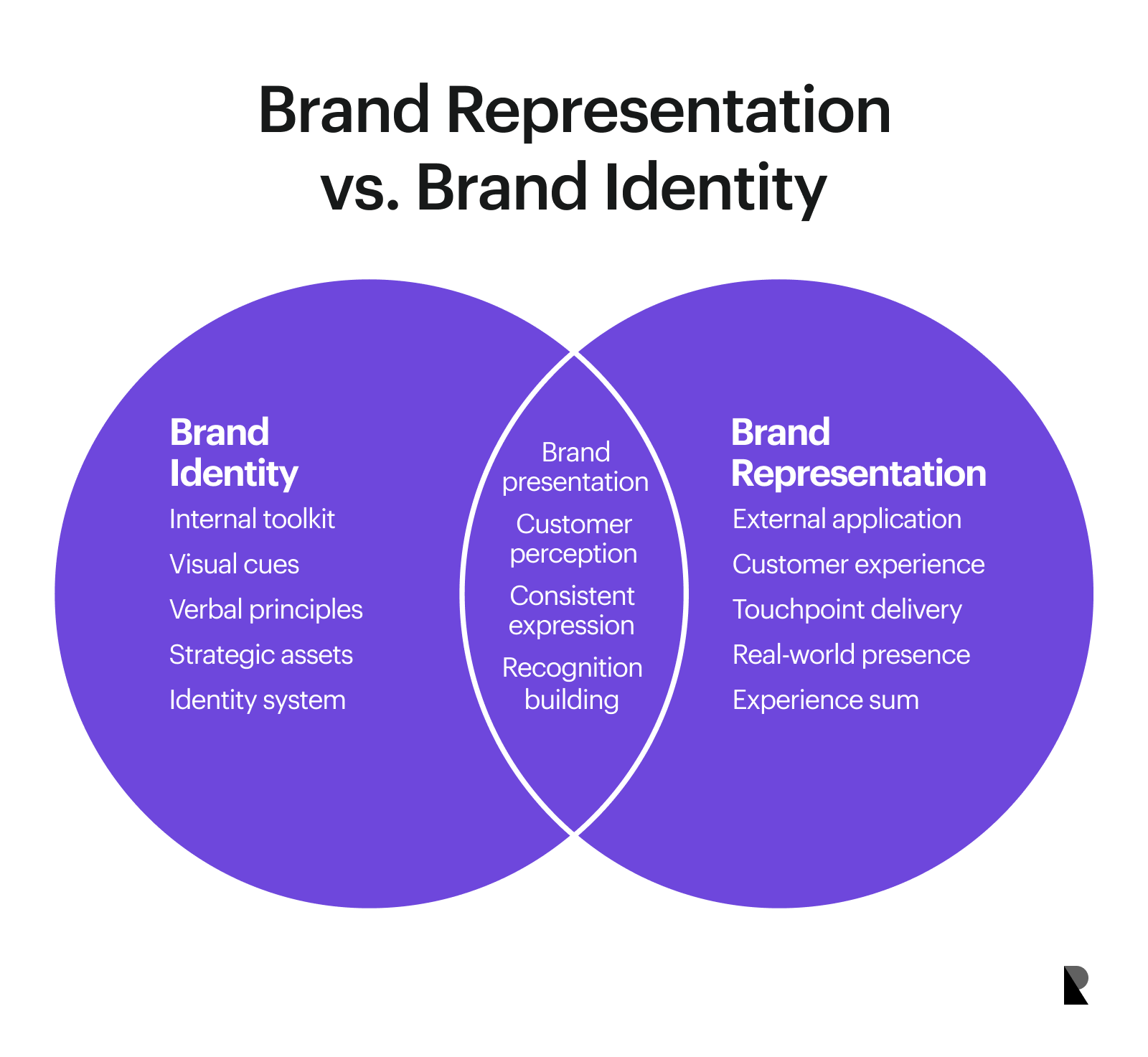
Brand identity is the internal toolkit encompassing unique and identifiable visual and verbal cues, like your logo, color palette, imagery, typography, and voice principles. The external application of this toolkit in ways that interact with customers is called brand representation. It’s what customers see, hear, and experience, like your website, social media page, packaging design, and apps.
Put simply, brand identity is strategy and assets; representation is the sum of experiences. It can be said then that good identity design goes down the drain if representation is inconsistent or poorly executed.
What Shapes Brand Representation
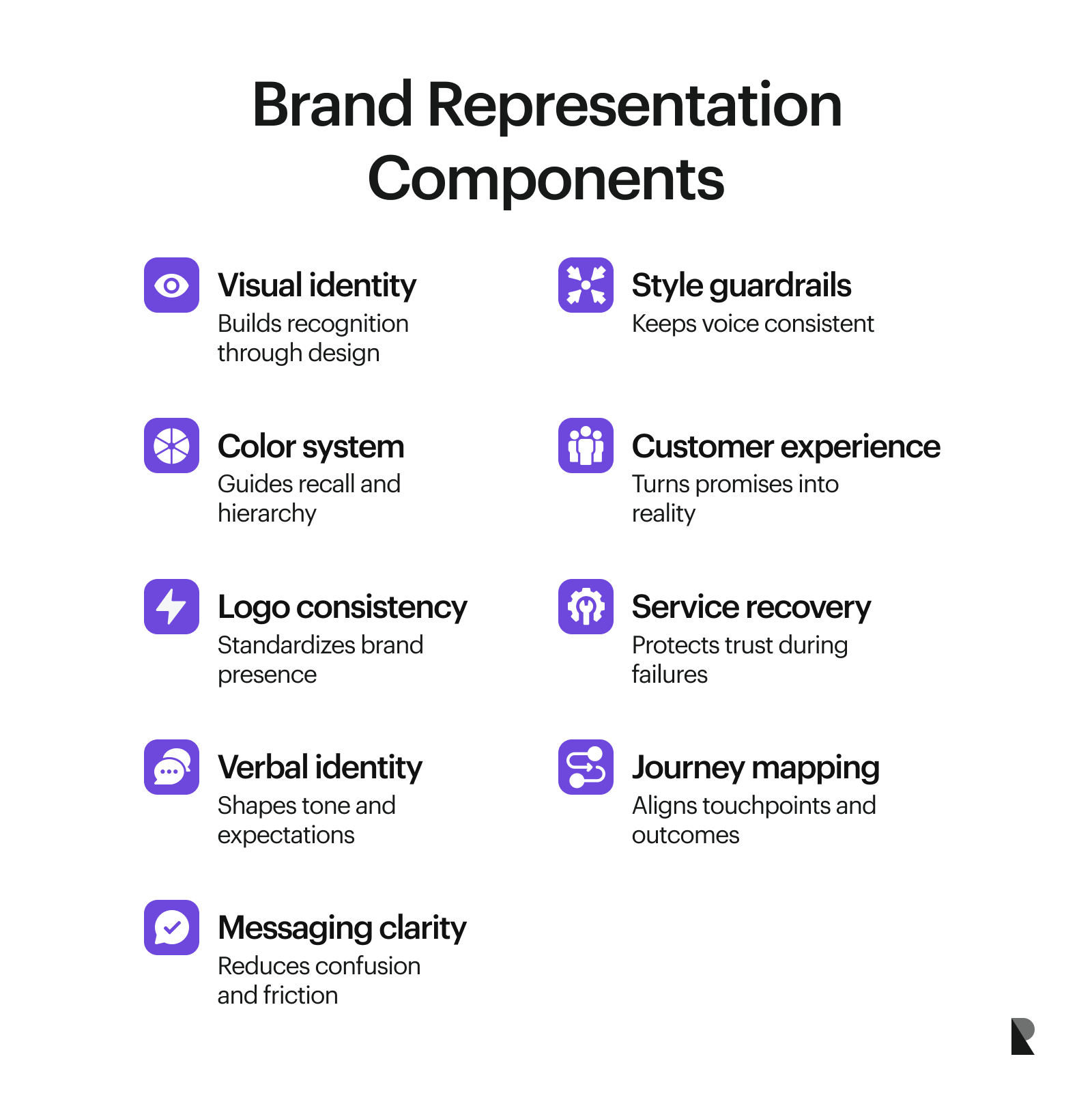
Three elements inform the people’s brand judgement: visual, verbal, and experiential. They must be aligned and governed so each reinforces the other.
1. Visual brand representation
Visual cues communicate category, quality, and personality at a glance. They set expectations for price, convenience, and tone before a single sentence is read.
A brand’s visual system must then drive pattern recognition with consistent use of color, typography, logo, and layouts. Material choices, microinteractions, and composition should all be aligned with the brand’s position and intent.
TIP: Reduce variables for easier compliance (internal) and high recall (external).
Limit your palette to one dominant, one secondary, and one accent color, with navigation or hierarchy in mind. You can also standardize logo placements across surfaces and platforms. By reducing variables, you can easily establish consistent patterns and strengthen brand associations.
2. Verbal brand representation
Word choices shape expectations, clarify messages, and create emotional resonance. That’s why it is vital to manage sentence length, vocabulary difficulty, grammatical structure, and emotional impact of every copy. Match your brand’s vocabulary and sentence complexity to your customer’s reading patterns and comprehension.
For mass-market transactional experiences, the use of active instead of passive voice (e.g., “We deliver…” vs. “Delivery is provided…”) creates a more personal, direct, and engaging tone. Contraction (e.g., " don’t”, “couldn’t”) over full forms (e.g., do not, could not) can be seen as informal or formal.
When verbal representation—brand name, taglines, email copy, etc. — aligns with customer expectations, trust forms. Customers are more receptive to what you offer.
*TIP: Create a verbal style guardrail. *
It must include a summary of voice, a list of no-no blocklist for words you should never use, plus templates for major channels (emails, social media, website, etc.) Pair this with a review checklist for clarity, tone, and action-orientation. Your verbal style guardrail should aim to reduce cognitive load by forcing you to write for clarity.
3. Experiential brand representation
Experience turns promises into reality. If visuals and words promise simplicity, speed, and end-to-end customer care, the experience must deliver those attributes through reliable service and predictable outcomes.
How the brand handles inevitable failures matters, too. Refund policy, apology tone, and timeliness of resolution can affect long-term trust. Remember that positive experiences secure your brand’s reputational capital, which can be beneficial when errors do happen. Brands that underdeliver consistently erode trust and equity rapidly.
*TIP: Map the customer journey, from discovery to post-purchase support. *
List every steps that happens before customers reach milestones, and review what you can remove for a simpler journey. Run scenario-based audits, like delivery delays or wrong item delivery, and ensure the handoff between marketing promise and service reality is seamless.
Establishing a strong brand representation is a balancing act between visual, verbal, and experiential elements. They should operate simultaneously and consistently to reduce cognitive load, reinforce the brand, and build positive experiences.
Hire one of the top branding agencies to help shape your brand strategy and establish a strong brand representation.
Brand Representation Touchpoints
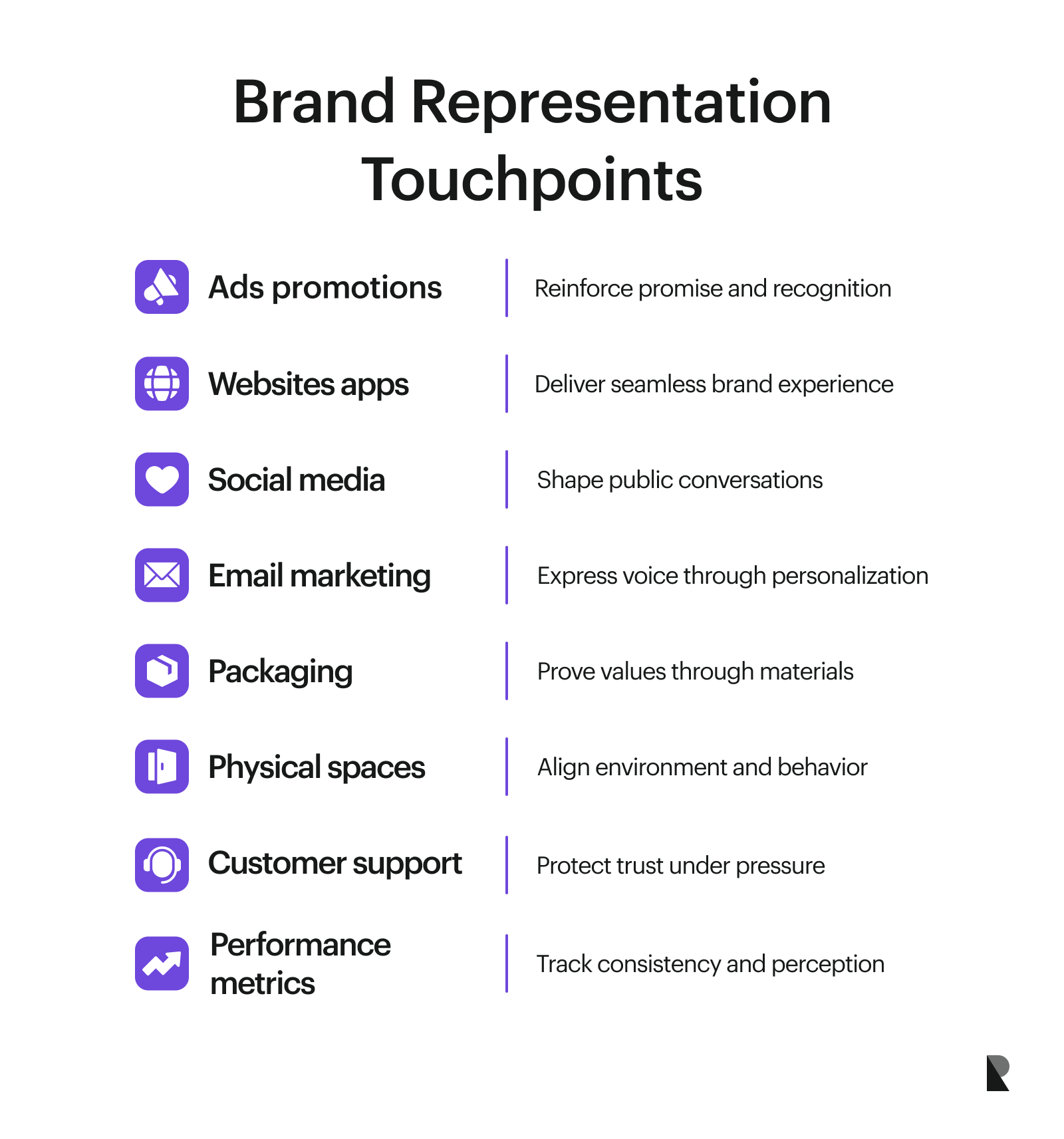
Now, how does brand representation manifest in the real world? Let’s go over how visual, verbal, and experiential components impact each touchpoint below.
Ads and promotions
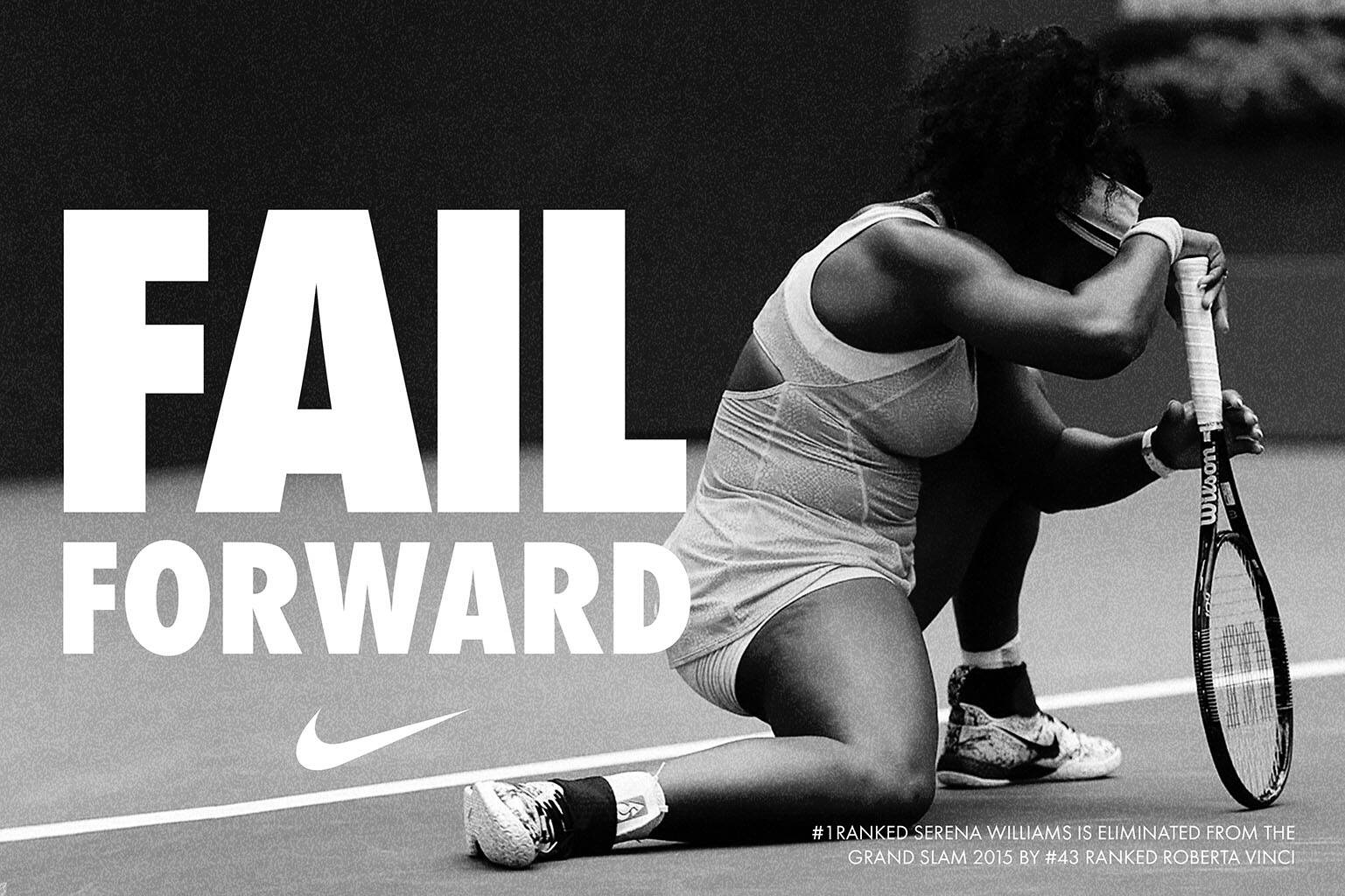
Nike consistently tells a story of motivation in every ad. Image via Ads of the World
How your ads and promotions look and where they show up tells so much about your brand. The visual and verbal elements used must be consistent with your brand identity. Who you cast must represent the people you cater to, and the way you speak must convey your personality and highlight values-driven messaging.
Consistency in brand representation makes the promise your ads and promotions make more believable.
Priority brand representation metrics: ad recall, landing page conversion, post-click engagement, and sentiment on promoted posts.
Websites and mobile apps
First impressions matter, especially for websites where people learn more about your brand, buy, get help, or confirm that your business is real. Its app counterparts must inherit these website features exactly for a seamless, on-brand experience; otherwise, users leave.
Navigation for both platforms must be predictable. People should not have to guess where to find the cart, the search bar, or the contact button. Keep in mind that every friction can impact the experience, harming the brand representation.
Priority brand representation metrics: task completion rate, mobile conversion rate, and accessibility compliance.

Minimalist and interactive website with an app that matches its performance. Image via Flyhyer
Social media
Social media is where conversations influence your brand representation. Replying to comments, acknowledging mistakes publicly, and sharing user content can reinforce representation. And while social platforms allow for personality, it must remain within defined voice rules to prevent inconsistencies and confusion.
Priority brand representation metrics: engagement rate, sentiment analysis, volume of user-generated content.
Email marketing
Emails rely more on your voice. How you write your subject can either push readers to open or ignore it. Personalization also humanizes your brand and conveys care, but it should be rooted on data—behavioral triggers, product recommendations, etc. Finally, mind the frequency of your emails; overdo it, and you’ll sound desperate or a nuisance.
Priority brand representation metrics: open rate, click-through conversion, unsubscribe rate, and bounce rate.
Packaging
The product packaging is the tangible proof if your promise. If you claim to be a sustainable brand on your website, but the products come in unrecyclable materials, that breaks customer trust easily. Packaging decisions should be guided by your positional claims.
Priority brand representation metrics: post-purchase reviews, unboxing sentiment

Product packaging that aligns with the brand values. Image via Packaging of the World
Physical space
Stores, pop-up events, trade show booths, and any in-person interaction must reflect the same hierarchy, brand visuals, and staff behavior promised online.
Your frontline team must have clear scripts, solid know-how on troubleshooting issues, and a shared understanding of brand values. A customer who hears “I don’t know” experiences a brand split—expectations were set and then broken. The environment that you create for your brand should also be consistent with your brand image. Mismatched cues create dissonance.
Priority brand representation metrics: in-store conversion, net promoter score, and mystery-shop audit results.
Customer support
Customer support is where brand representation proves itself under pressure. Responsiveness and first-contact resolution are concrete trust signals that you know what you’re doing. Meanwhile, complicated transfer loops before customers get an answer incur brand damage.
Remember that the customer support provided should be consistent with what your marketing team promised. Being able to maintain accountability and listen to feedback leads to positive outcomes. It increases brand equity and solidifies customer trust.
Priority brand representation metrics: Customer Satisfaction Score (CSAT), average handle time, and escalation frequency.
How to Keep Brand Representation Consistent
A consistent brand representation allows customers to draw the same conclusion about your business. But don’t mistake it for uniformity for its own sake. Instead, it means predictable, coherent behaviors that align with the brand promise. Overtime, the response and recall are automatic.
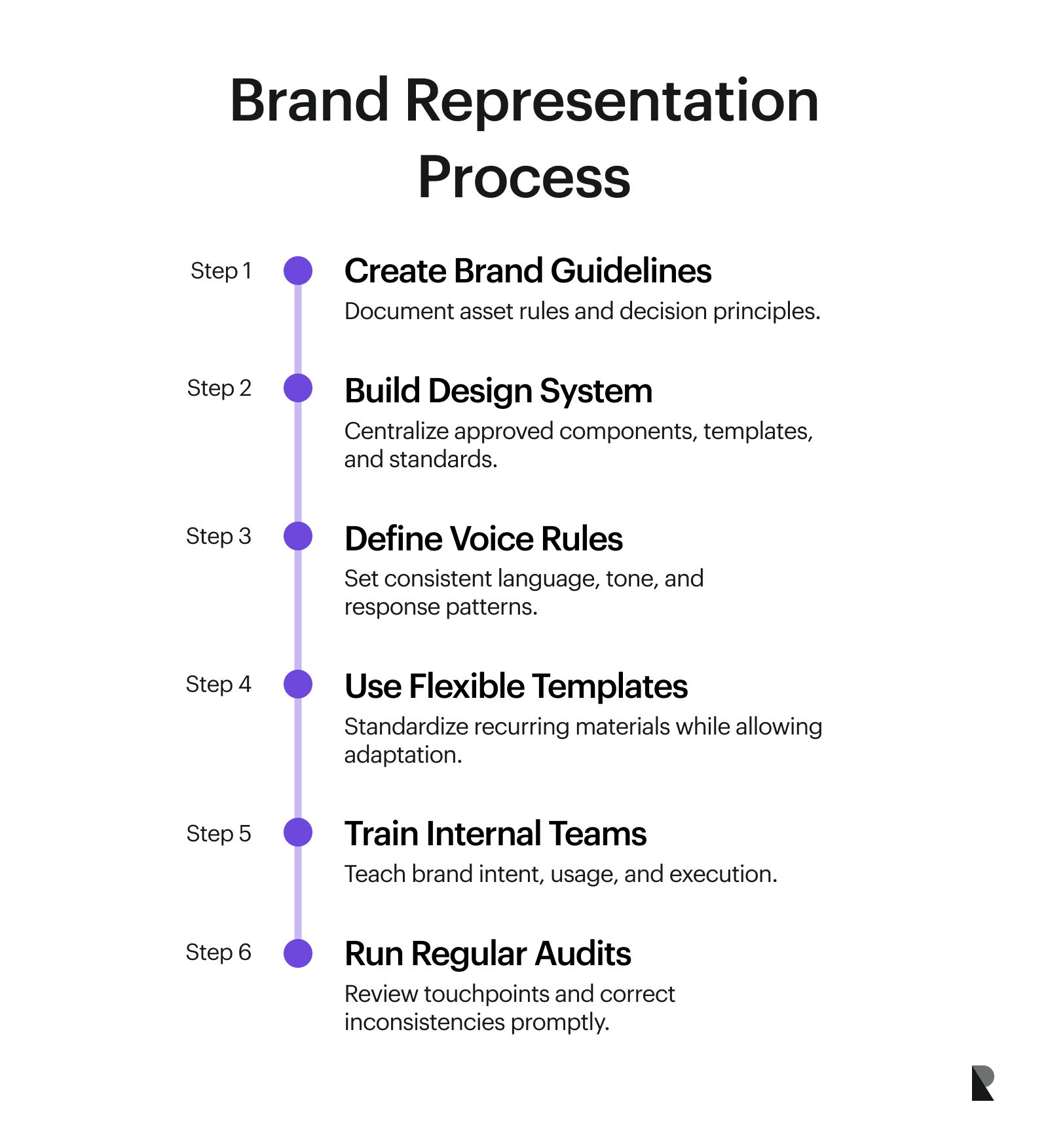
Below are brand strategy and governance tools that can help you achieve that.
1. Brand guidelines
Guidelines are a collection of rules that codify the why and the how of brand assets. Beyond color values and logo dos and don’ts, it includes decision principles, like when to deviate, localization rules, and examples of correct usage.
For example, Starbucks’ use of its siren logo states the official green color, where it can be placed, and which logo variation to use for different background colors. This ensures a Starbucks store in Japan has the same brand representation as its US counterpart.
Put simply, brand guidelines act as cheat sheets for your team, including non-designers, to maintain brand representation.
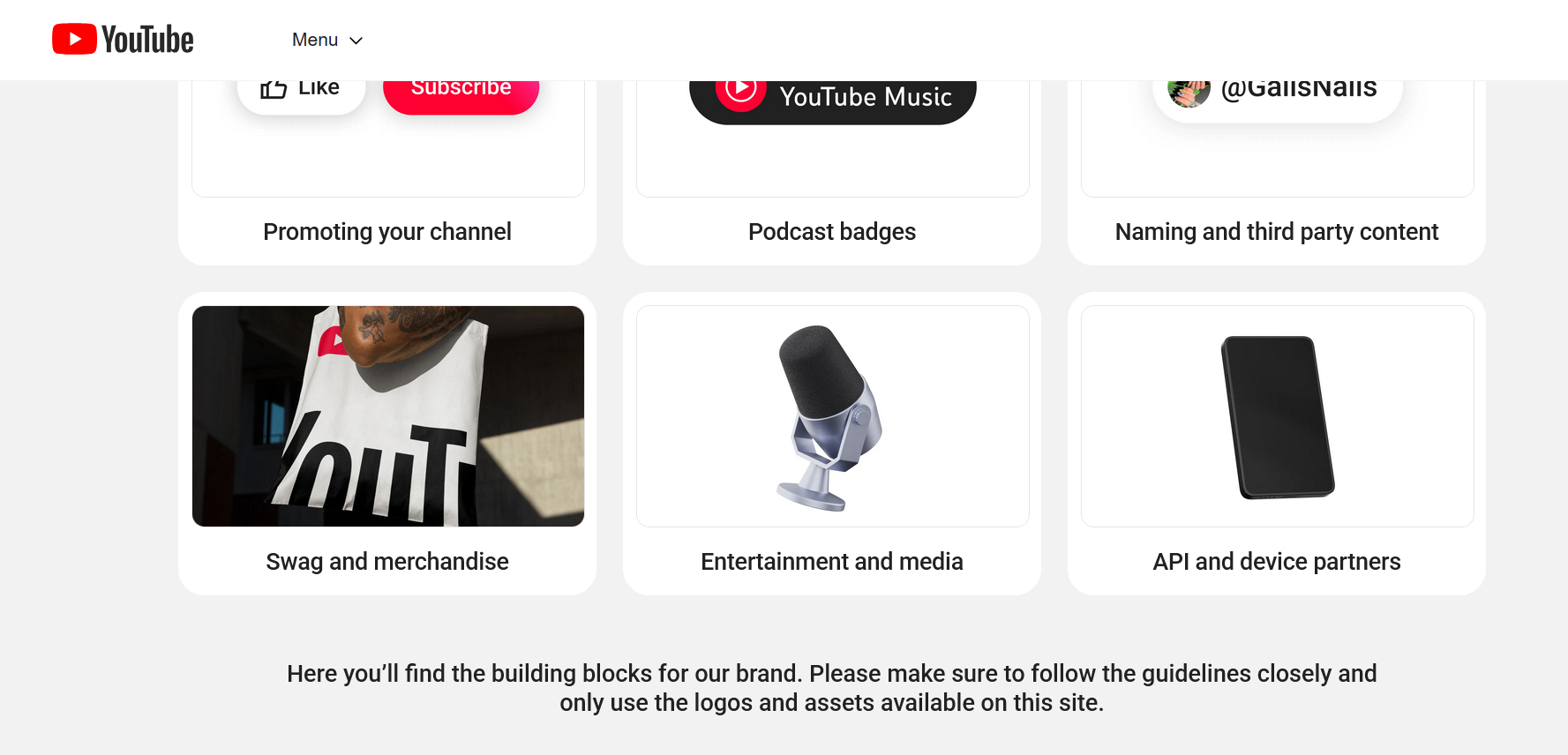
Centralized brand guideline via YouTube
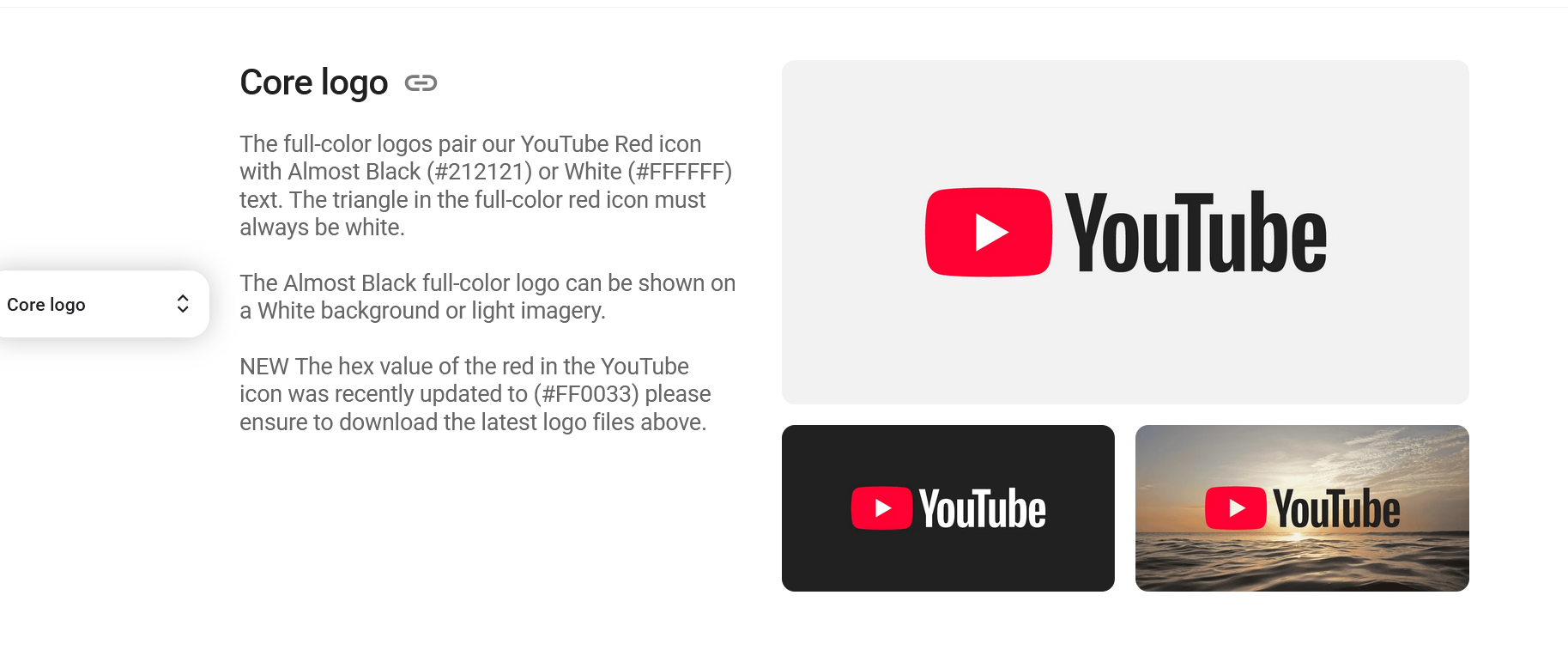
Logo guidelines via YouTube
2. Design system
A design system is a single source of truth or a living library where designers and developers can pull authorized brand assets, templates, pattern library, etc., for speed and consistency. It includes code-ready components, accessibility rules, interaction specs, and governance for updates.
When a developer needs a button for the website, they do not need to design one from scratch. Every button across every page looks and behaves the same.
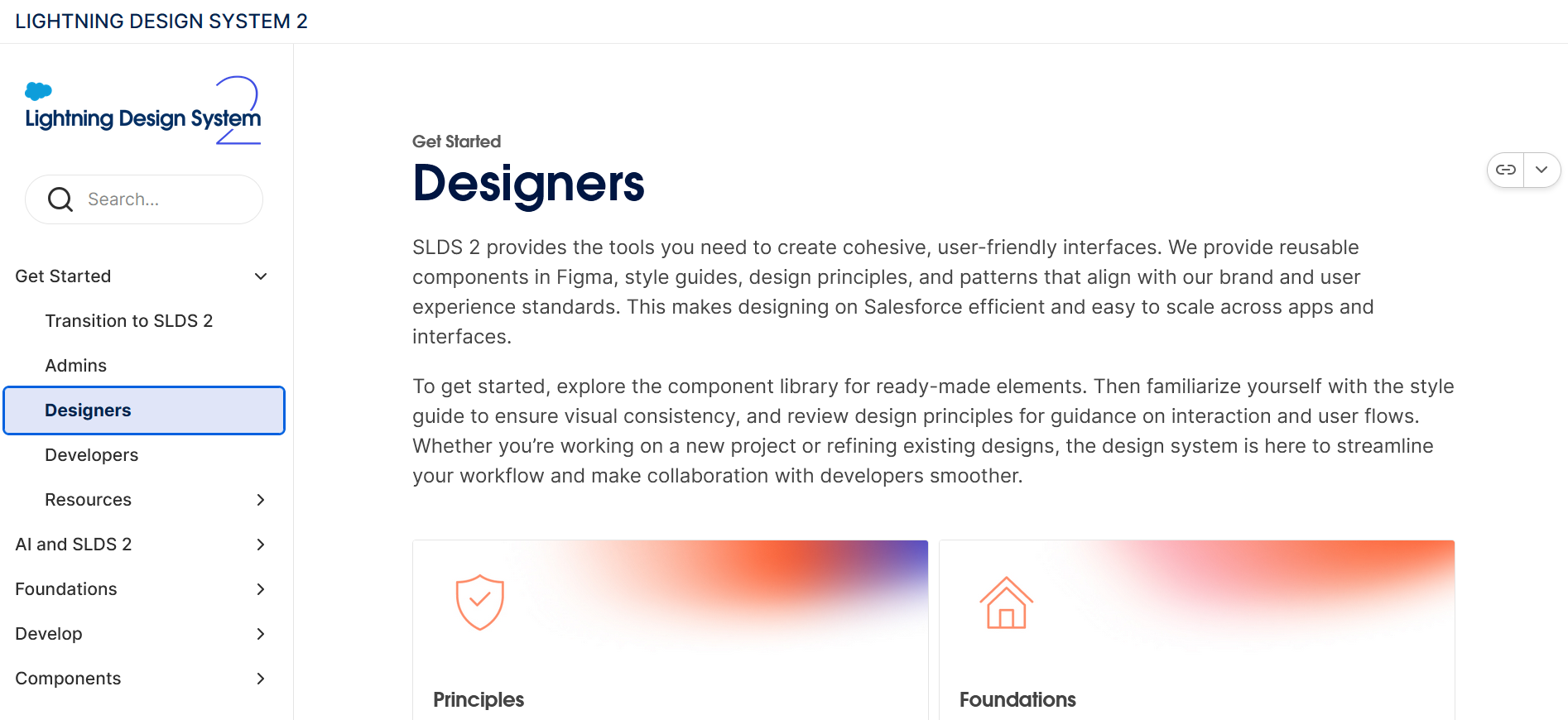
Comprehensive design system via Salesforce Lighting Design System 2
3. Voice rules
Setting brand voice rules ensures you sound the same across all communications. They cover word choice, sentence length, grammatical structure, forbidden terms, examples of responses for common scenarios, and escalation protocols for complaints.
For example, Wendy’s consistently uses witty sarcasm and bold callouts on their social media content. This voice rule provides a stark contrast against the usually ‘always polite’ tone of the food service industry, making the brand iconic, especially among its young audience.
Make your voice rules searchable and accessible to copywriters, customer support team, and legal reviewers.
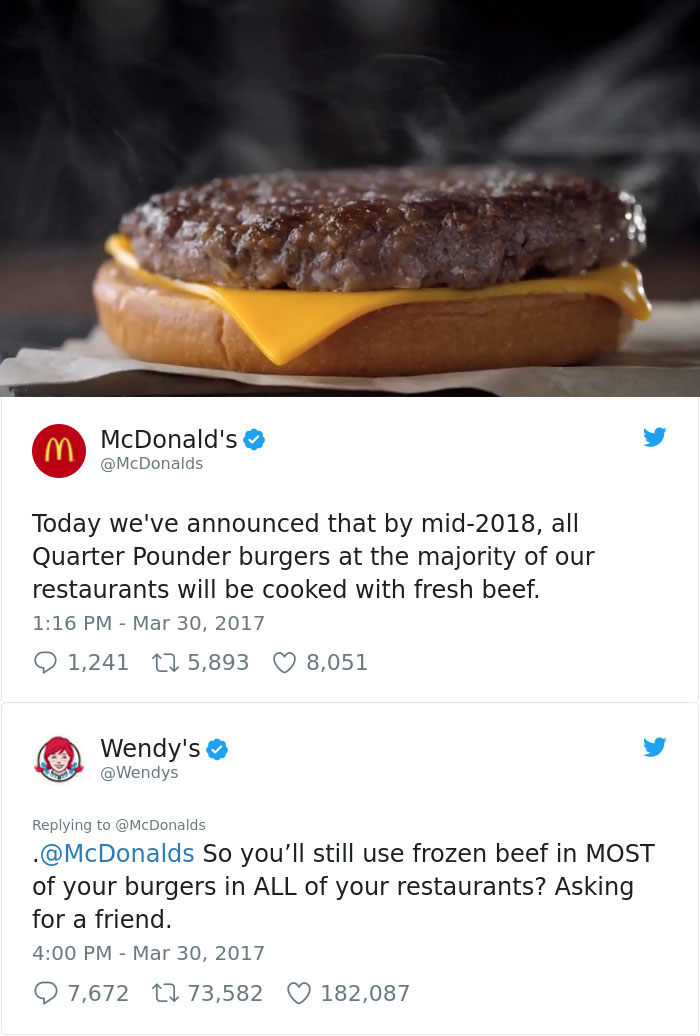
Wendy’s roasts McDonald’s on X. Image via Bored Panda
Templates
Templates for emails, sales decks, social media, and proposals, to name a few, remove daily decision fatigue. They enforce hierarchy and reduce variation, which preserves brand representation. For example, the logo is always top-left. The call-to-action button always uses the same accent color. These templated designs help embed the brand in the subconscious of customers.
Again, strict uniformity should be avoided. Templates should allow for a little flexibility, so make them modular for rapid localization while preserving core structure. This is especially helpful for brands with global presence.
Team training
Orienting your team about your brand ensures they internalize its intent and execution. It also catches doubts and questions about the brand early.
Make the training immersive and collaborative instead of simply handling a document. They can role-play scenarios, draft social media posts, or emails that follow your brand guidelines. Finally, include brand fluency as a performance metric for your employees, especially for customer-facing roles.
Regular audits
Reviewing brand assets across touchpoints on a regular basis detect gaps and issues before customers catch them. It’s part of quality control, so changes can be made in a timely manner.
That said, conduct monthly checks for high-impact touchpoints and deeper quarterly audits for systemic alignment.
Brand Representation: Turning Identity into a Memorable Experience
As organizations grow, brand representation becomes fragile. The market is unforgiving as customers expect accountability and follow-through on what’s promised on advertising, claimed on website, and delivered by service. When these align, customers reward brands with repeat purchases, referrals, and loyalty. The brand equity increases. When they don’t, trust erodes quickly.
Therefore, treat brand representation as a strategic system where you identify the moments that matter, assign owners for each, and equip them with the right tools and support. Improve those moments using performance metrics and feedback, so experience improvements directly feed creative and operational changes.
The result is predictable behavior with lower churn rate, more advocacy, and reduced acquisition cost.

Creates insightful, strategy-driven content that translates complex design and branding concepts into accessible knowledge, supporting Ramotion’s mission to elevate digital experiences.