
Sometimes, all a brand needs is a chance to reset. A clean slate to reclaim the narrative, boost brand awareness, and reorient the company from inside out through a brand relaunch. But many companies treat it as a last-ditch Hail Mary that could actually cost them more than save them.
This article lays out when to relaunch, how to sequence internal brand launch and external rollout, and how to measure results that translate into valuable business outcomes without breaking what already works.
Brand Relaunch vs. Refresh vs. Rebrand: What’s the Difference
Brand relaunch, refresh, and rebrand are three genuinely contested terms even among branding and marketing professionals. But they actually work in different stages of branding.
A brand refresh is a cosmetic change - a new logo, palette, or packaging— that keeps the brand relevant and current. A rebrand is a partial or total transformation. The rebranding process changes the brand’s strategy and essence, touching on core mission, vision, target audience, and market positioning. If a brand refresh works within the existing brand, a rebranding strategy alters the fundamentals themselves.
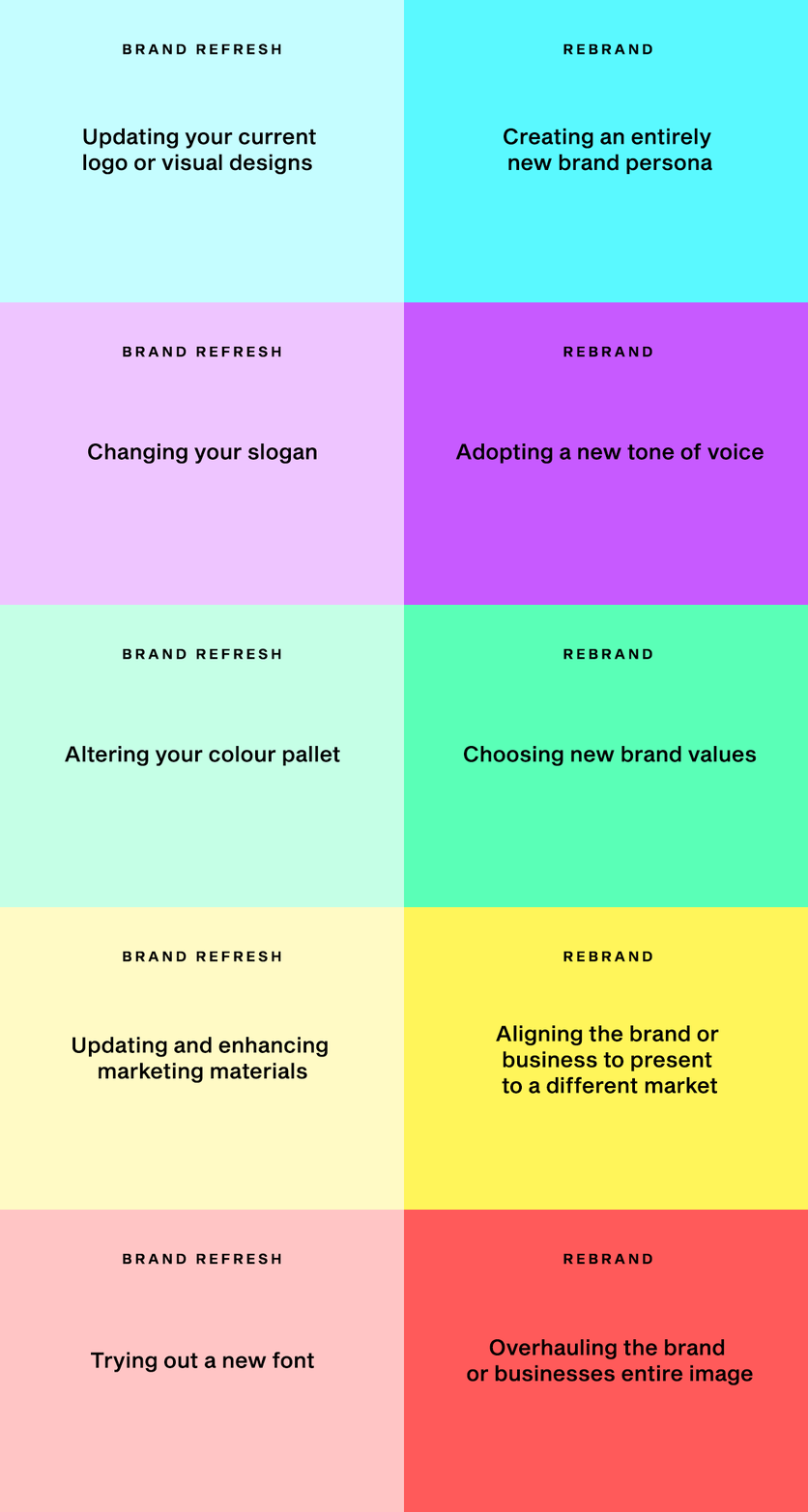
Rebrand vs. Refresh via Huddle Creative
A brand relaunch is the reintroduction of a brand to the market. It usually follows a refresh or a rebranding process, but it can also stand alone. For instance, a business can relaunch around a new product while the branding stays the same. Relaunches typically run on two tracks: internal first (employees, partners, shareholders), then external (your target audience, through every touchpoint).
| Aspects | Brand relaunch | Brand refresh | Rebranding |
|---|---|---|---|
| Definition | Reintroduction of a brand | Cosmetic update to the brand identity | Partial or total fundamental transformation |
| Relationship to Relaunch | Deployment phase | Precedes relaunch | Precedes relaunch |
| Purpose | Recapture market attention and reasserting positioning | Keep the brand current and relevant without disrupting equity | Reposition the brand, change perception, or reflect fundamental strategic shifts |
| Scope | Covers every touchpoint, channel, and audience the brand meets | Expression only; core positioning stays intact | End-to-end change, from positioning to promise, audience, name, etc. |
| Duration | 6-12+ months | Weeks to few months | 6 months to years |
| Outcome | A confident brand that commands more attention, clarity, and alignment across audiences | A fresher-looking brand that feels current | A fundamentally different brand with new positioning and perception |
Start the relaunch process by hiring professional brand design companies to help you strategize brand launch campaigns and implement them successfully.
When to Relaunch a Brand
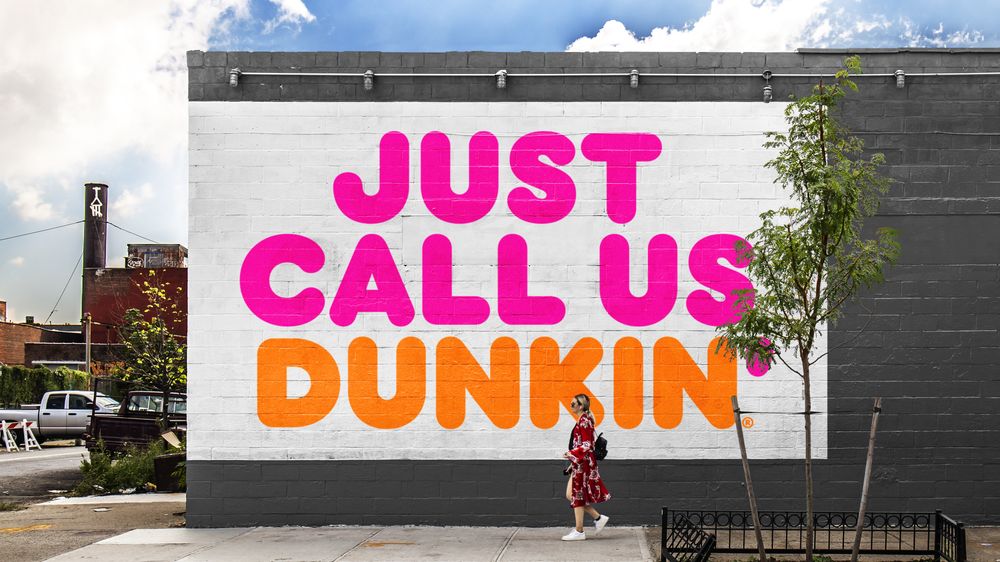
Dunkin’ announcement of relaunch example via Dunkin Donuts
Many companies make the mistake of relaunching too late, often waiting til the revenue and customer trust has already eroded. By then, a relaunch can’t even save the brand. Look for these triggers before things reach a crisis.
Market shifts
As an industry matures, customer needs, language, and segments change. You may start getting compared to unfamiliar competitors. Prospects ask about priorities they used to ignore, sales cycles lengthen, and your team spends more explaining what you do. A relaunch lets you redefine positioning and reclaim market relevance.
Growth outpacing the narrative
Growth is healthy, but it can warp your brand story. For instance, new products, markets, or business models create competing versions of the brand across teams. This creates a gap in your brand image and real brand perception. Relaunching clarifies the core narrative so every touchpoint tells the same story.
Brand extension friction
Extending into unrelated categories can poke a hole into your credibility. Customers may assume the new offering belongs to a different company or leadership. Internally, the extension can develop its own brand identity, splintering the parent brand. A relaunch widens the brand frame, so diverse offers feel like part of one credible whole.
When to Avoid a Relaunch
A relaunch isn’t a rescue operation that fixes a broken product, a poor customer experience, or vague positioning. It works when you have something worth reintroducing, like a new product, a clearer narrative, or a broader brand frame.
If you’re unsure if you should relaunch, ask yourself:
- Are the customers leaving because of the product or experience?
- Do you have brand equity worth protecting?
- What problem are you actually solving?
Clarify which type of change you need first—refresh, rebrand, or relaunch—because each has different scope, risk, and cost, and those investments matter, especially for smaller teams and budgets. If you’ve decided to relaunch, read on as we discuss essential steps in setting the brand launch strategy for success.
Step 1: Set Brand Relaunch Goals
Leading with specific goals keeps the relaunch focused, guides resource decisions, and makes success measurable. Good goals are narrow enough to force trade-offs so you know what to prioritize and what to say no to. They should target a clear audience or perception and have named owners with authority to make trade-off decisions.
Put simply, set goals that describe the business change you want to see, not the deliverable. Examples include:
- Expand the brand beyond a single category within 12 months.
- Reverse a declining market share by Q3.
- Drive 12% revenue growth in 2026 through a sharper proposition.
If you notice, each example states the outcome rather than tasks like “create a new logo”. Assign an owner for every goal to protect the scope and reject distractions.
Step 2: Audit the Current Brand
A focused brand audit shows what’s working, what’s broken, and what’s worth keeping so you know where to build your new brand. Run the audit in three stages: gather, assess, and analyze.
The first stage requires collecting all brand assets — strategy documents, visual brand identity, sales assets, internal templates, and partner materials. Then you move to assessment, comparing what exists against what the brand claims to be. Identify gaps, contradictions, and places where messaging, experience, and operations diverge.
The final stage is analysis, triangulating stakeholder interviews, quantitative metrics, and behavioral evidence to unearth the root causes of current brand issues.
Useful tools include brand tracking studies for perception data, SEO and analytics platform for search visibility, social listening for measuring sentiment, and asset inventory for cataloging brand assets. Competitor audits and customer interviews also help in framing the whole picture.
The audit’s findings become the foundation for your new brand system and narrative.
Step 3: Build the New Brand System and Narrative
The brand system is a practical framework that turns the brand launch strategy into consistent experience — visual and verbal. It includes logo typography, color, imagery, tone of voice, vocabulary, and usage rules.
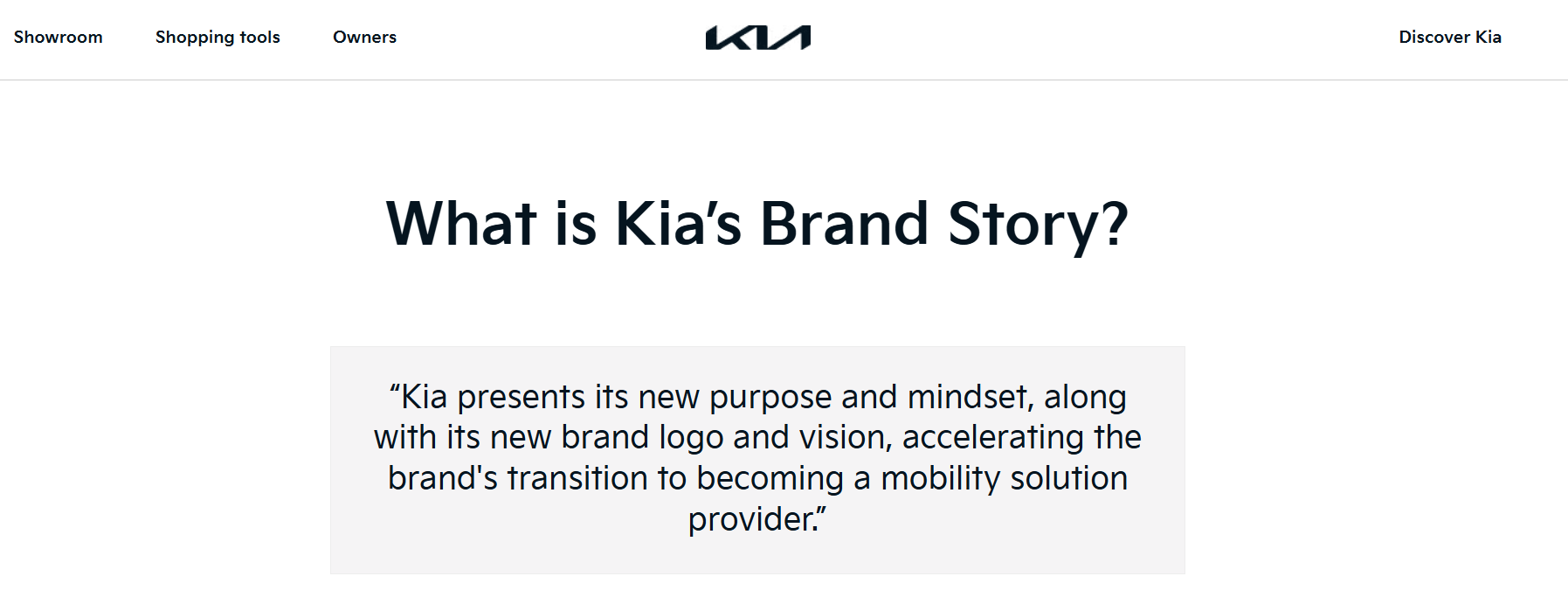
Relaunch narrative example via Kia
Start by defining the brand positioning you want to own, then translate that into messaging. The messaging becomes the drive behind visual choices. Create clear usage standards so teams know how elements combine across channels.
The deliverables you need to finalize at this stage are:
- Core positioning statement
- Messaging hierarchy
- Visual language tied to messaging
- Brand guidelines
Step 4: Prepare Employees for Relaunch
The success of the brand system relies on whether the people who will implement it truly understand it. If they view the relaunch as a marketing stunt, it will falter.
Begin with the why — the business rationale behind relaunch, strategic choices, and employee implications. Train teams on the new language until they can explain the change clearly and confidently.
Here are some tools you can use to prepare your employees for relaunch:
- Centralized information hubs: It includes all communications, documentations, videos, FAQs of the relaunch.
- Brand Asset Management (DAM/Brand Portal): Provides instant access to approved brand assets, brand guidelines, workflows, templates, and more.
Step 5: Map Brand Touchpoints and Protect Digital Continuity
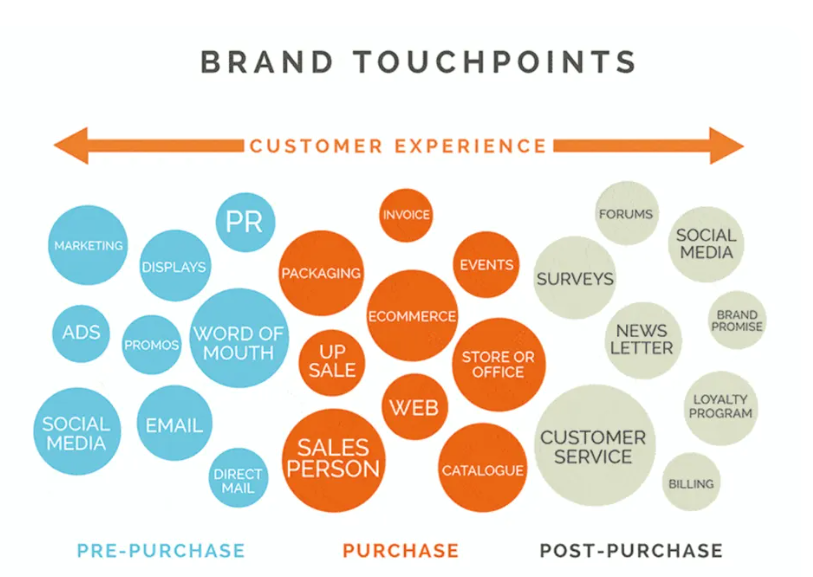
Examples of brand touchpoints. Image via Active Campaign
Brands interact with customers across many channels, each with its own rules, audience, and limits. A touchpoint map reveals the scale of changes, sets the migration order, and protects digital continuity.
Prioritize visible channels (homepage, app, product), then assign each touchpoint an owner, a decision (keep, update, replace, or retire), and a note on inconsistency risk. Use the map to sequence updates so high-impact assets change first.
For digital continuity, map every old URL to a new page, implement proper redirects, and coordinate a migration window so search engines reindex quickly. Track dependencies such as third-party listings and partner sites.
A clear brand touchpoint map reduces confusion, preserves search equity, and gives teams a rollout plan. Once the map is set, determine how fast the relaunch should happen.
Step 6: Choose a Relaunch Rollout Model
A relaunch rollout model keeps the reintroduction organized and practical. Choose a model based on complexity, resources, and the customer and employee impact. The right model reduces inconsistent customer experiences and gives your team a clear migration plan.
Three brand rollout models to choose from
Simultaneous brand rollout (change everything at once)
A simultaneous relaunch rollout maximizes market impact. Everything changes at once, creating a clear “this is our new era” signal. It works when you need immediate visibility and strong presence. The trade-offs are high, though, like logistical strain, steep resource demand, and no quiet window to adjust if messaging fails. That said, only attempt this with airtight prep and owners for every critical touchpoint.
Phased brand rollout (change what matters first)
A phased rollout balances impact and risk by prioritizing high-value touchpoints (homepage, product UI, sales decks) then migrating others in waves. This approach lets you test messaging, fix problems, and preserve momentum without overwhelming operations.
On the flip side, a phased rollout can create mixed signals if old and new identities coexist for too long, and a slower momentum if phases drag. So, set clear timelines, owners, and rules to keep coherence.
Rolling change brand rollout (change things as you go)
Rolling change is like a phased rollout but without a definitive end. It replaces assets if the opportunity presents itself, like updating the product packaging when stock runs out or refreshing templates as budgets allow. Some companies choose this because it minimizes upfront cost and operational disruption, making it best for low-urgency shifts.
However, you run the risk of not achieving a recognizable change. Use a rolling change rollout only when market noticeability is not a priority, and pair it with a schedule and success criteria to avoid indefinite drift.
Step 7: Plan the Public Brand Launch
A public brand launch plan is a sequencing guide on who hears first before launch day, and what goes live in what order on the day itself. It covers everything before, during, and after a launch.
- Before relaunch day: Contact key clients and partners personally, and brief employees on the rationale, timeline, and talking points.
- On launch day: Execute updates across all customer-facing touchpoints simultaneously. Activate brand launch campaigns, update the website and social channels, and publish visual assets.
- Press release (on or shortly after launch): Issue an official statement explaining what changed, what stayed the same, and why. Without it, audiences may assume an acquisition, product change, or crisis.
- A few weeks post launch: Assign a person to track transition across all channels, including the less critical ones, like third-party listings, industry directories, partner websites, etc.
Let’s look into our fictional brand, Listo—a SaaS company that built its reputation as a single point solution, helping small teams manage their tasks. It is now an enterprise platform with multiple modules. The relaunch aims to move customer perception from “tool” to “platform”, without alienating its current customers.
Here’s what the brand relaunch plan looks like.
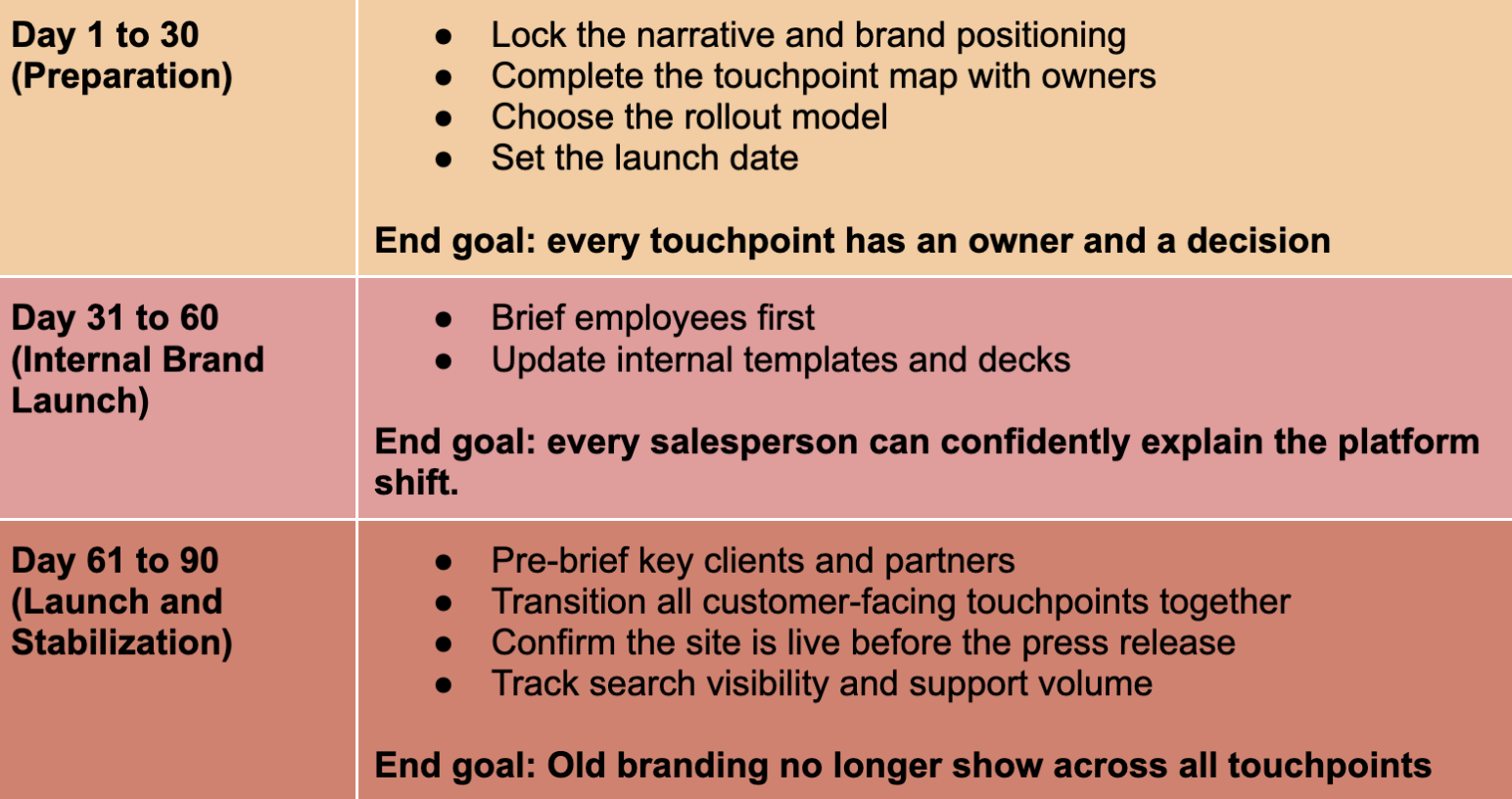
Listo 90-Day Brand Relaunch Plan
Measuring Brand Relaunch Results
Not every brand relaunch goes off without a hitch. But you can mitigate failure by measuring results early and consistently across operations, perception, and business outcomes.
For operations, track percentage of touchpoints migrated, page load speed, and support ticket volume tied to the change. For perception, measure brand awareness, branded search volume, share of voice, sentiment, and recall. And for commercial success, track conversion rate, sales cycle length, retention, and revenue.
Measure operations continuously, perception quarterly, and commercial outcomes at six and twelve months. It’s important to establish a baseline before relaunch so you know if there’s real improvement from your old brand to the new one.
Managing Brand Relaunch Risks
1. Uneven execution and asset migration on launch day
When rollout is inconsistent, customers perceive incompetence, which can quickly erode trust.
How to Mitigate: Assign an owner for every touchpoint. Prioritize highest-traffic assets and confirm they are live before activating press or paid media. Use a migration tracker to log status, owners, and rollback plans when needed.
2. Negative review backlash
Loyal customers may vocalize disappointment publicly, which can greatly impact your relaunch.
*How to Mitigate: * Prepare a response playbook and assign people to monitor and reply. Monitor social and review channels daily in early weeks, and respond promptly, specifically, and with accountability. Adjust messaging or product fixes according to feedback, and communicate changes transparently to regain trust and momentum.
Relaunch with Confidence
So many relaunches fail despite good design work because brands conflate them with announcements of changes. But it’s more complex than that. Done well, it entails aligning brand relaunch strategy, employees, and touchpoints into one coordinated transition, resulting in a change customers actually experience. It requires consistent monitoring of performance and tweaking your strategies until the public accepts the new brand.
Before any of that though, the foundation has to be right. That means knowing what business change you want, who decides when the brand relaunch strategy and creative disagree, and how you’ll measure whether the relaunch worked. Its success also hinges on the people who will implement the relaunch.
Get the foundation right, and everything that follows has something to build on. Then, you’re ready to create the transition roadmap and define launch-readiness criteria.

Creates insightful, strategy-driven content that translates complex design and branding concepts into accessible knowledge, supporting Ramotion’s mission to elevate digital experiences.