
If you see a mermaid on a green circle, what comes to mind? How about a gecko with a British accent, or a jolly pink bunny that keeps going and going? Chances are, Starbucks, GEICO, and Energizer popped up in your head even without any logo explanation. This is called brand association, a strategy that anchors brand recognition on memorable emotions, figures, colors, and other sensory elements that become triggers. But how do brands shape these connections, what makes them stick, and how do they change consumer behavior?
Read on and the answers might change how you see branding from here on.
What is Brand Association?
Brand association is the immediate activation of a brand cue (an icon, a mascot, color, or tagline) with related thoughts and feelings. Psychologically, it reflects the brain’s motivation for efficiency. A marketing and psychology study reveals that our memory works like one big network of connecting nodes, where when you think of one thing, the brain brings up other related things. This process operates largely subconsciously and, with repeated exposure, builds familiarity.
Those associations can change how consumers feel about a brand without conscious awareness, so careful naming, placement, and contextual framing in user experience design matter to shape brand perceptions and consistently influence purchase decisions.
Brand Association vs. Other Branding Concepts
Next, we look into the interplay between brand association and other branding concepts.
1. Brand association vs. awareness
Brand awareness measures how well consumers can recall your brand (prompted or unprompted), while brand association is what they think and feel when it comes to mind. Strong brand awareness, therefore, becomes a prerequisite for associations to form.
2. Brand association vs. identity
Brand identity is what the brand wants to be known for, influenced by name, logo, colors, voice, values, and positioning. Brand association is what consumers actually believe. When brand identity and association align, it clarifies your purpose, reduces doubt, and strengthens recall when exposed to brand cues.
3. Brand association vs. image
Brand image is built from multiple associations. If associations are consistent and complementary, the brand image is coherent and easy to define. Fragmented associations create confusion and can make you look unreliable.
4. Brand association vs. perception
Brand perception is the overall impression shaped by the totality of associations. A single link won’t necessarily change consumer perception; only multiple reinforcing associations shape how customers truly feel.
How Brand Associations Form
Brand association is not instantaneous. It takes a combination of cohesive messaging, the consistent delivery of a brand promise, and uncompromised relationship building to achieve. This disciplined approach shows up in several places:
Through product experience
Delivering user-centered products that reliably solve core problems sets a benchmark customers expect. When consistent, it creates a strong association with your brand and reduces their incentive to switch to competitors.
Through marketing campaigns
Many companies have created memorable campaigns that turn features into feelings. Budweiser’s iconic “Wassup?” campaign in the 90s connected the beer to casual camaraderie, making it the drink of choice if you just want to chill with friends. The association became a cultural shorthand for Gen X and millennials.
Through unique, memorable visual identity
A unique visual identity allows the brain to process what it sees quickly, triggering a cascade of memories, from the nostalgic aroma of a retail space to the familiar ring of an ad jingle and the emotional comfort tied to the brand.
Through customer service
Empathic customer service converts one-time transactions into emotional loyalty. Repeatedly resolving issues in real time and anticipating needs builds a reputation for reliability that becomes synonymous with the brand.
Through word-of-mouth and community
Personal recommendations from a trusted friend or family member lend credibility to the brand. Whenever you think of that person, your subconscious mind instantly recalls the brand they trust.
Through partnerships
Partnering with high-equity, highly credible brands forms a psychological connection that boosts confidence for consumers to support your brand. Streetwear Supreme broke through high-end fashion once it collaborated with Louis Vuitton in 2017, establishing the former as a niche high-fashion asset.
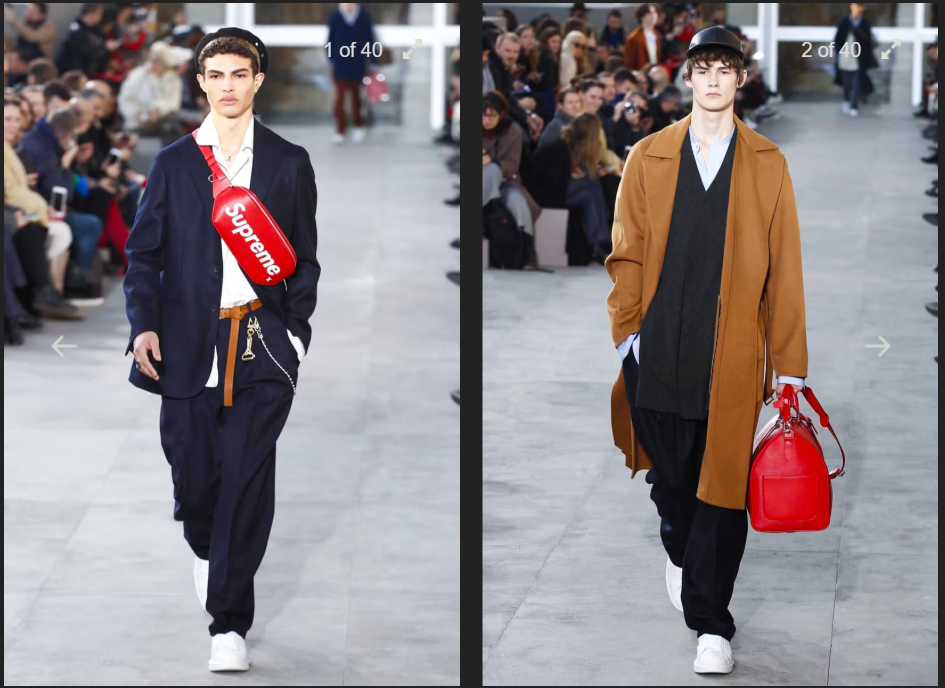
Supreme x Louis Vuitton collab via Hypebeast
The Value of Having a Strong Brand Association
Brand associations aren’t only for virality or earning brownie points from customers here and there. It’s an investment that can earn you something far more durable: pricing power, customer loyalty, resilience, and brand equity.
Price Premium: A strong brand association eases consumer doubts because people expect you to deliver. That makes them more willing to pay a premium.
Deeper Customer Connection: Aligning with influencers, partners, or causes that reflect your values builds trust faster. Trusted associations encourage emotional connection and long-term brand loyalty.
Resilience in Crises: Years of positive brand associations provide a buffer after occasional mistakes, giving you time to respond and repair trust. However, this protection is limited and cannot save you from repeated missteps.
Higher Brand Equity: Building multiple positive brand associations translates to higher equity over time. For small businesses, every favorable interaction contributes to growth.
Take the next step and collaborate with professional brand design firms to strengthen your brand associations.
Best Practices in Establishing a Strong Brand Association
There’s no single formula for building a strong brand association. But the following industry best practices can help you do so.
Decide on what you want to be associated with.
Return to your values, mission, and goals, and pick one core association that reflects who you are. Use it as a filter for partnerships, campaigns, product choices, and touchpoints. Ask, “Does it strengthen what the brand stands for, or does it dilute it?”
Begin by auditing website, social media, packaging, and customer interactions—remove or realign anything that pulls in another direction.
Consistently deliver a signature experience.
Singapore Airlines consistently tops the list of the best airlines in the world because of the impeccable service they deliver. Their thoughtfulness is entwined in every interaction, making them unforgettable. By designing a repeatable experience that aligns consistently with your values, it turns first-time buyers into loyal customers and cements the association you want.
Be visible in your community and lean into locality.
Move beyond transactional exchanges and build community through local events, partnerships, or loyalty programs that make customers feel seen and included. Local visibility weaves your brand into daily life and creates habitual cues that strengthen brand associations.
Train every employee as a brand ambassador.
Teach employees what your brand stands for and why it matters. Give them the story, language, and authority to act, and don’t forget to acknowledge employee ambassadors publicly. When staff embody the brand, customer interactions become credible proof of your values and reinforce associations at every touchpoint.
Types of Brand Association Plus Examples
So, what types of brand associations can you create?
1. Functional associations
Functional associations are built on what the brand does, like unmatched benefits in its products and services that solve specific needs. Google became synonymous with “search”, Kleenex dominates tissue choices, and Tupperware embodies long-lasting food storage. These brands earned their positions through consistent performance.
But functional benefits can be copied and offered at a lower price, so relying solely on them is risky. Smart positioning and product differentiation help insulate brands from these threats.
Google as a verb via Merriam-Webster
2. Emotional associations
Emotional associations shift the focus from what a brand does to how it makes people feel. Brands never sell just the products themselves. They draw on intangible assets formed through repeated interactions. Brand association examples of this type includes Red Bull, Disney, and Rolex.
Red Bull’s association with extreme sports fosters a community of thrill-seekers. Disney evokes childhood wonder that never fails to feel magical for children and adults. Rolex has become a beacon of prestige and success. These emotions cannot be manufactured and have the power to create value for your brand that makes customers willing to pay the premium.

Extreme sports aerial shot via Red Bull
3. Symbolic and self-expressive associations
Lifestyle and luxury brands thrive in creating self-expressive associations. They let consumers express identity through purchases.
For instance, clothes become visual statements of someone’s personality, values, and aspirations. Luxury names like Louis Vuitton connote heritage and exclusivity. Lululemon has elevated athleisure with its commitment to a lifestyle of wellness and mindful living. Even everyday items, such as Hydro Flask water bottles, can signify belonging to a particular Gen Z culture.
These associations turn each purchase into an act of self-expression, making the brand a snapshot of someone’s way of life.
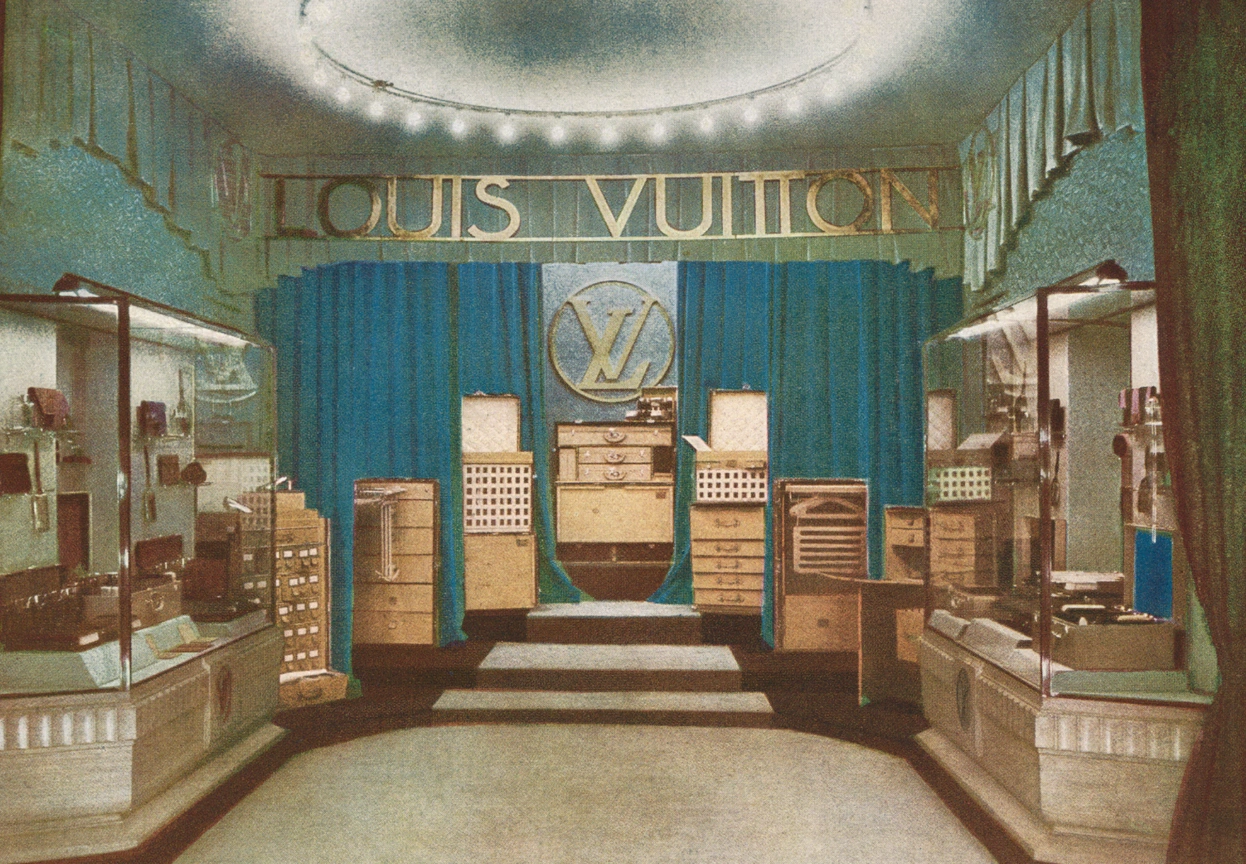
More than a century-old heritage and prestige. Via Louis Vuitton

Viral water bottle via Hydro Flask
4. People, characters, and partnerships associations
Some brands thrive when tied to celebrities, influencers, or trusted partners. This is because consumers trust familiar faces with strong credibility and values over ads.
Cultural anthropologist Grant McCracken called this meaning transfer. In his model, celebrities carry cultural meanings that flow to the brand through endorsement, and then from the brand to the consumer. Influencers and partners with strong reputations lend legitimacy, creating relatable threads customers want to be associated with.
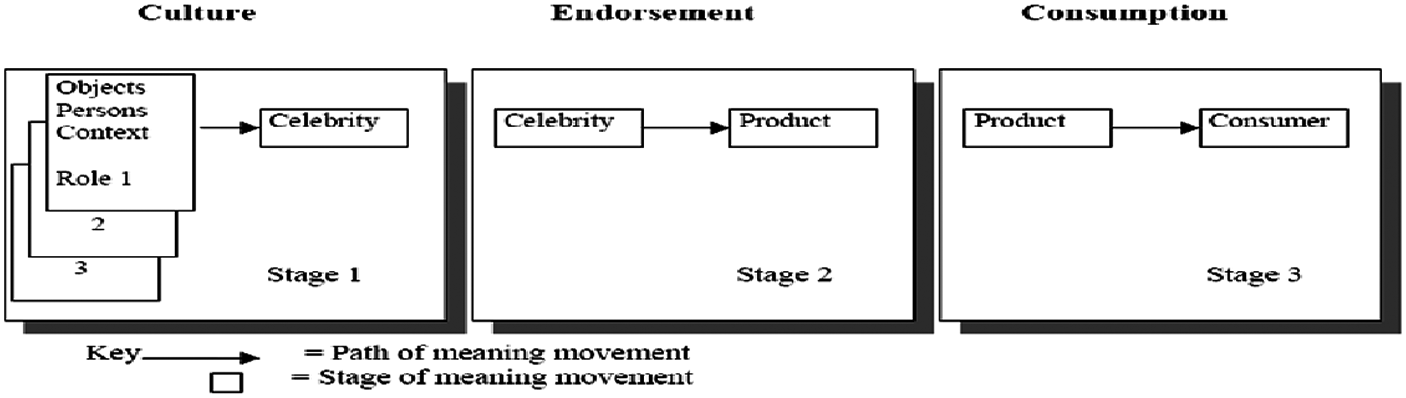
McCracken’s Meaning Transfer Model (MTM) via Springer Nature
Brand association examples include Beats by Dre’s roster of elite athletes (LeBron, Messi, etc.) instantly communicates the brand’s commitment to performance. Gymshark seeded microinfluencers with free gear whose authentic audiences drove rapid loyalty.
Skincare brand CeraVe ran a playful campaign riffing on the Michael Cera joke that he’s the owner of the brand. The campaign included staged sightings, paparazzi-style photos, and tongue-in-cheek denial of the brand on Cera’s claim of ownership. The stunt generated billions of social media impressions, resulting in a 25% sales increase.

Michael Cera giving away autographed CeraVe products. Image via Ogilvy
5. Category, occasion, and country associations
This type of association is the most ambitious of all as it requires rewiring how people think about a category, occasion, or origin. For small businesses, this becomes extra challenging, but once achieved, the reward is enormous.
Irish immigrants in America turned a somber Catholic holiday into a celebratory one, and Guinness became the drink of choice. Today, 13 million pints of Guinness are consumed worldwide on March 17 alone. Hallmark, meanwhile, monopolized all special occasions—birthdays, Christmas, Valentine’s, etc. —by translating the feelings evoked by its cards and ornaments into positive associations.
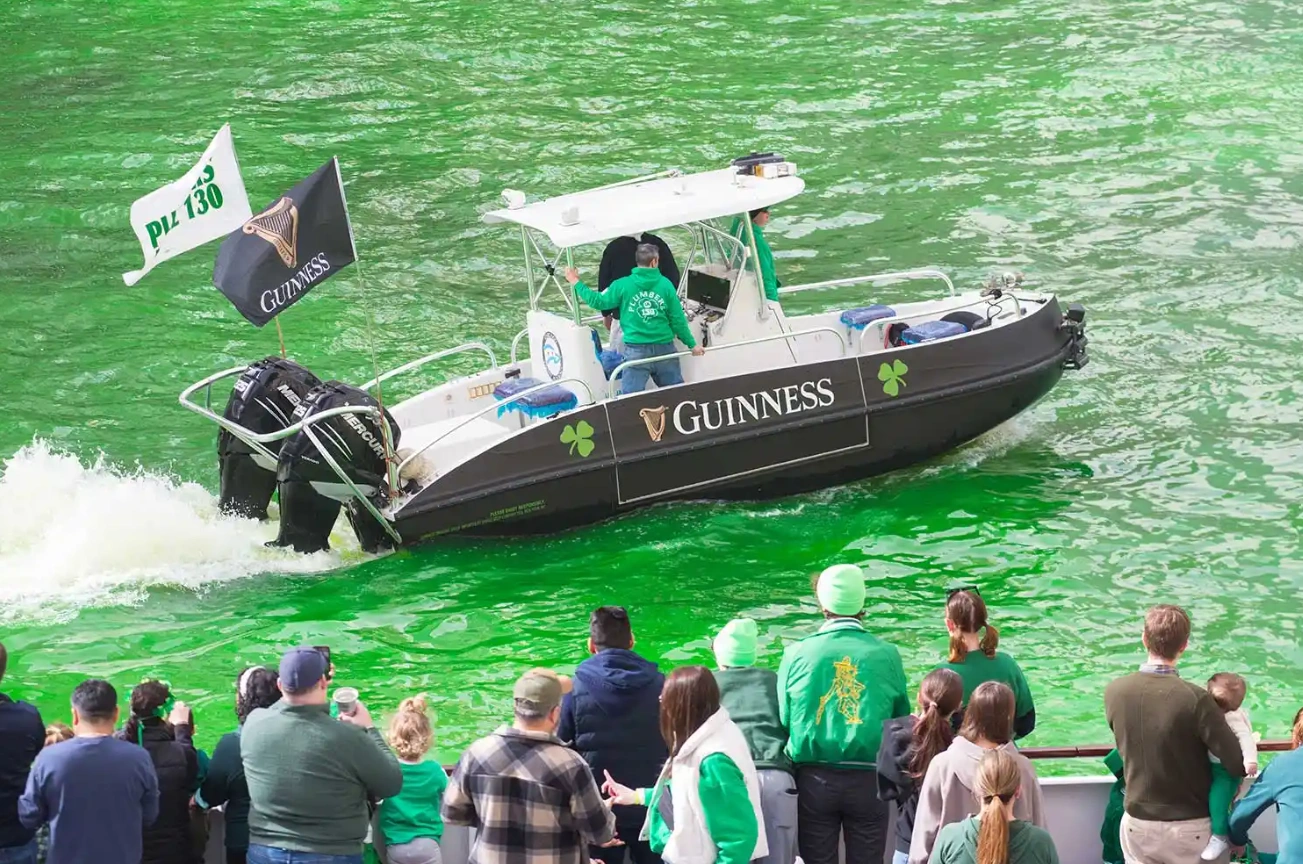
St. Patrick’s Day in Chicago. Image via People
Japanese brand Muji treats its stores like the place to be for the ultimate minimalists wanting aesthetic everyday items, carrying the quality and reliability the country is known for. It has successfully built a strong association with Japan.
If you pursue this, attach your brand to an existing moment, need, or meaning, and repeat until the connection is inseparable.
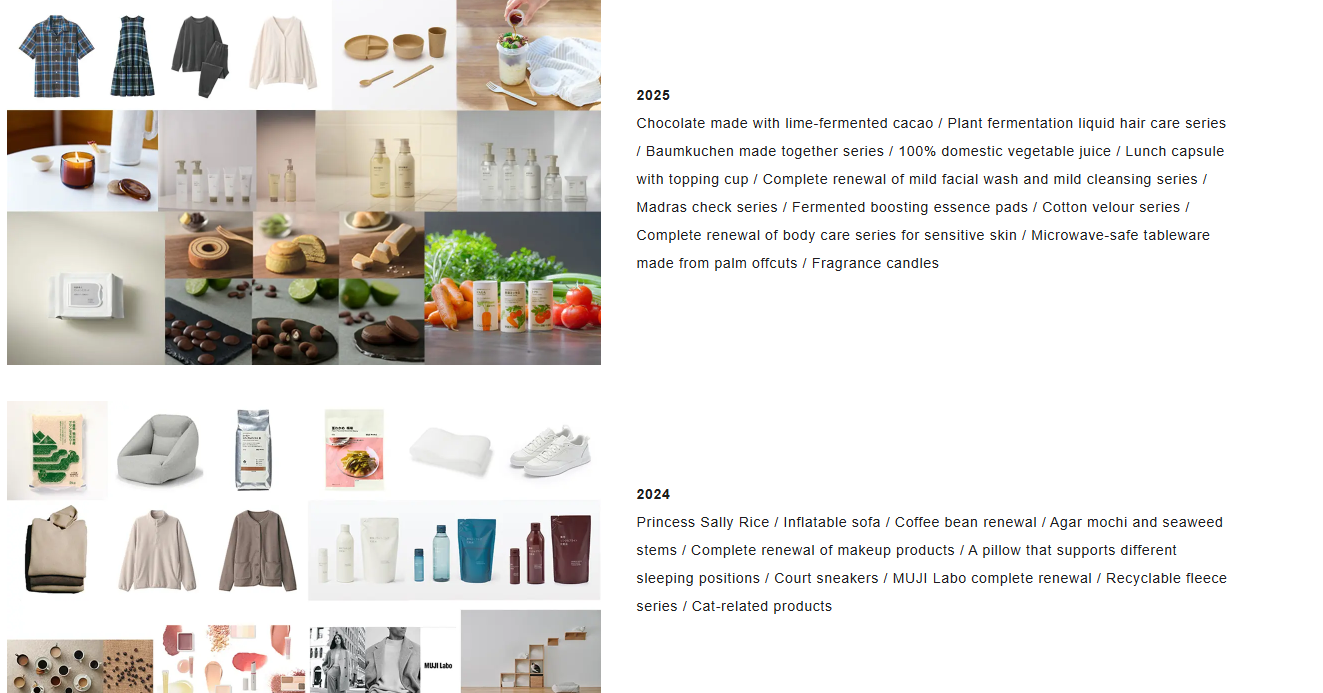
Minimalist product catalogue via Muji

Muji shop interior via When in Tokyo

Muji shop interior via When in Tokyo
How to Change Negative Brand Associations
Not all brand associations are good. In fact, one single event that goes against social values can get you cancelled. But it doesn’t automatically spell doom when you implement corrective measures to get your brand back on the right track.
Address issues, no matter how small, swiftly and visibly.
People remember negatives more than positives, so it is crucial to respond quickly and transparently to complaints, product failures, or service gaps. Monitor reviews and social mentions weekly, track patterns, and fix root causes. It’s best to publicly acknowledge problems and provide next steps to show progress.
Cut ties with partners that ruin your brand
If a partner’s controversy consistently links back to your brand, consider ending the relationship. This is a needed move, especially when their values now clash with yours. Review contracts, weigh legal and business implications, consult stakeholders, and communicate the decision and rationale clearly to your audience.
Convert loyal customers into brand advocates
Your loyal customers are the best advocates for your brand. They already have a deep understanding of what you do, have influence over their personal circles that no paid ads can reach, and their credibility is exactly what you need when negative brand associations threaten to take hold. Ask them to share real experiences, and empower advocates through referral programs, early access, and other perks.
How to Measure Brand Associations
A brand will always be associated with something, whether you like it or not. They form through interactions, ads, and other touchpoints. Tracking brand associations tells you where your brand actually stands in the minds of consumers, and whether the associations you intended are taking hold or not.
Free association interviews
Asking free association questions reveals whether consumers can think of a brand when they encounter certain words, emotions, or visual prompts. Some examples include:
- How would you describe our brand to your friend who has never encountered us?
- Can you describe our brand if it were a person?
- What three words can you associate with our brand?
Answers to these questions help identify which associations are authentic versus intended ones, and highlight gaps to address.
Surveys and brand tracking
Use targeted surveys to quantify specific associations. For example, “On a scale of 1 to 10 (10 being the highest), how much do you associate our brand with premium experience?” Don’t forget to include competitor benchmarks.
You can also implement the following measures to track your brand
- Perceptual mapping spots mismatches across audience segments.
- Positive-to-negative association ratio gauges sentiment balance between two extremes.
- Pricing the association exercises that force trade-offs between brand, price, and features to show perceived value.
Social listening and behavioral data
Social listening uncovers real conversations about your brand across digital channels. These are helpful in digging into the emotions and language used that people may not reveal during an interview. Meanwhile, behavioral data assesses people’s actions versus what they say/think. Together, they reveal associations that surveys may miss.
The Power of Brand Association
Brand associations done right can stick and steer consumer behavior. They help form consumer perception, build trust through shared meaning, and turn repeated experiences into lasting impressions. Treat them as deliberate assets, and they become mental shortcuts that work in your favor.
But associations are never neutral and are ever evolving. They form whether you manage them or not, through every interaction, partnership, etc. So, decide what you want to stand for early on and consistently reinforce until the association becomes second nature. Otherwise, you risk letting others define it for you.

Creates insightful, strategy-driven content that translates complex design and branding concepts into accessible knowledge, supporting Ramotion’s mission to elevate digital experiences.