
D2C is on the rise, and it’s getting crowded. More traditional brands are selling direct to capture shifting shopping habits, build stronger customer relationships, and boost margins by cutting out the retailers and wholesalers. The US reported approximately $135 billion in D2C ecommerce sales in 2023, and that figure is expected to balloon to $186 billion by 2025, intensifying competition.
If you’re launching or expanding a D2C brand, now’s the time to sharpen your strategy to stand out. Let’s begin by clarifying what D2C really means and why it matters today.
What is a Direct-to-Consumer (D2C) Brand?
A D2C brand sells directly to its consumers. It allows companies to have complete control, from attracting high-value prospects and building trust, to collecting user data and reducing operating costs by cutting the middleman and setting their own prices. As you operationalize that control into a coherent identity across touchpoints, many leadership teams find it useful to benchmark and partner with a shortlist of top brand design agencies that have experience translating strategy into consistent execution. That control fuels sharper branding, personalization, and pricing flexibility.
However, it can be expensive, posing a challenge for emerging D2C brands. You have to pay for manufacturing, fulfillment, marketing, and returns. With a strategic approach and operational rigor, you can scale your company successfully over time.
Core Pillars of an Effective D2C Strategy
Building the foundation of your D2C strategy will guide every decision, channel investment, and experiment you run. Getting them right from the start reduces unnecessary spending and gives your company a competitive edge. And that’s something a professional branding design agency can help you with.
Customer relationship ownership
Customer relationship ownership means controlling customer data and the end-to-end experience, so people interact and buy directly from you. For example, a furniture brand that sells on its own site and emails buyers about new models owns that relationship. This enables the company to gain better customer insights to guide product decisions while avoiding marketplace fees.
Brand storytelling & community building
Brand storytelling and community building add depth to transactional relationships. It taps into emotions by bringing a human touch to the brand and establishing social connections. It can be a key differentiator, attracting customers who share your company's values and align with its mission.
Consistently communicate your mission, vision, and values, ensuring they align with your products. This builds brand loyalty, reduces price sensitivity, fosters brand advocacy, and creates a sustainable competitive advantage.
Data-driven decisions & personalizations
High-quality data enables you to understand your customers and personalize their experience. It reduces wasted spend and guides product and experience improvements based on real usage.
Create infrastructure to collect, analyze, and act on data, like integrating a CRM, focusing on behavioral data, and automating personalization. Identify and measure KPIs, like retention rate, repeat purchase rate (RPR), and average order value (AOV), to see how you’re performing. And perform regular testing of strategies to guide decisions for improvement.
Logistics, fulfillment, & post-purchase optimization
Slow fulfillment or an inconvenient returns process harms customer experience and brand trust. Improve logistics operations, fulfillment, and post-purchase processes by strategically placing inventory. Monitor delivery times, shipping expenses, and return rates to spot gaps and opportunities. A hassle-free experience, from purchase through delivery and support, boosts Net Promoter Score.
Essential DTC Tips for Emerging Brands
Instead of trying to be everywhere at once, emerging companies should be intentional and invest in cost-effective D2C strategies.
Build trust with radical transparency
Radical transparency means openly sharing data on what is happening behind the curtains. Instead of generic statements about sourcing, provide updates on the origin of your materials, pricing breakdowns, and production stages.
This openness signals commitment to your values and customers, reducing skepticism about product quality and ethical claims. It helps increase conversions and encourage brand loyalty.
Use social proof & UGC to increase credibility
Who better to convince your target audience to support your company than your existing customers?
Showcase UGC and testimonials, invite participation via polls and contests, and use feedback to refine products and strengthen brand control. Pair this with microinfluencer partnerships with smaller but highly engaged followers to boost relatability, trust, and conversion while lowering acquisition costs and increasing lifetime value.
Choose the right path: Pure DTC vs. Omnichannel
Pure D2C offers exclusive access through company-owned websites. Meanwhile, omnichannel enables retailers and wholesalers to reach a wider audience. Choose based on capacity, goals, and growth capacity. The more channels you have, the higher your revenue; however, this also adds complexity to fulfillment, inventory, and data management. P
Pure D2C streamlines logistics and margins but demands centralized data, faster product iteration, and higher marketing spend. Omnichannel suits broad assortments of products that favor convenience, but require stronger operational and partnership management.
18 Leading D2C Brand Examples by Category
Accessories
D2C brands in this category need to invest in customer acquisition, which could incur significant expense due to the number of competitors. This also makes it difficult for companies that sell accessories to establish and maintain a presence, as well as manage inventory for diverse SKUs.
1. Bombas
Bombas offers socks and basic wear, like tees and undies. What sets them apart is their socially conscious proposition: for every purchase made, the company donates one item to those in need. This purpose makes customers feel engaged, so they can spread goodness as well. The brand partners with over 4000 organizations, reaching millions of people worldwide.
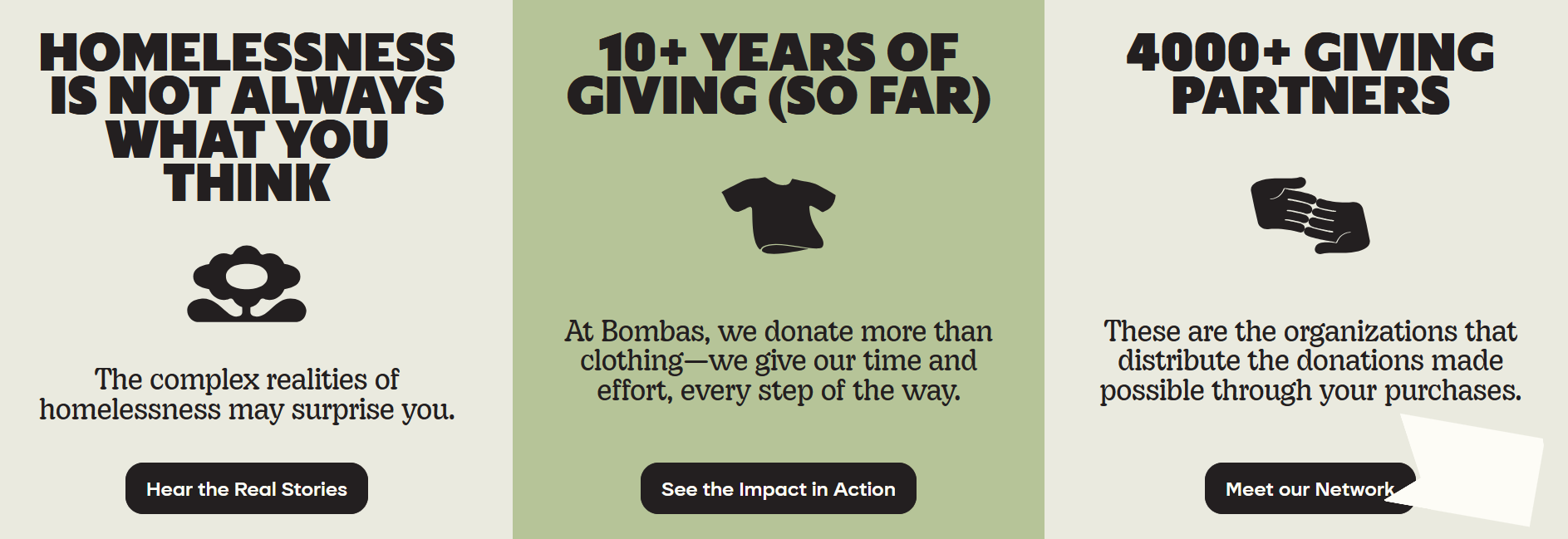
Via Bombas
2. Mejuri
Mejuri allows customers to enjoy a little luxury without breaking the bank. Its fine jewelry pieces are made from ethically sourced, high-quality materials, ensuring customers get unique products that meet environmental and quality standards. Much of the brand’s D2C efforts are anchored in influencer marketing and hyper-personalized product recommendations.
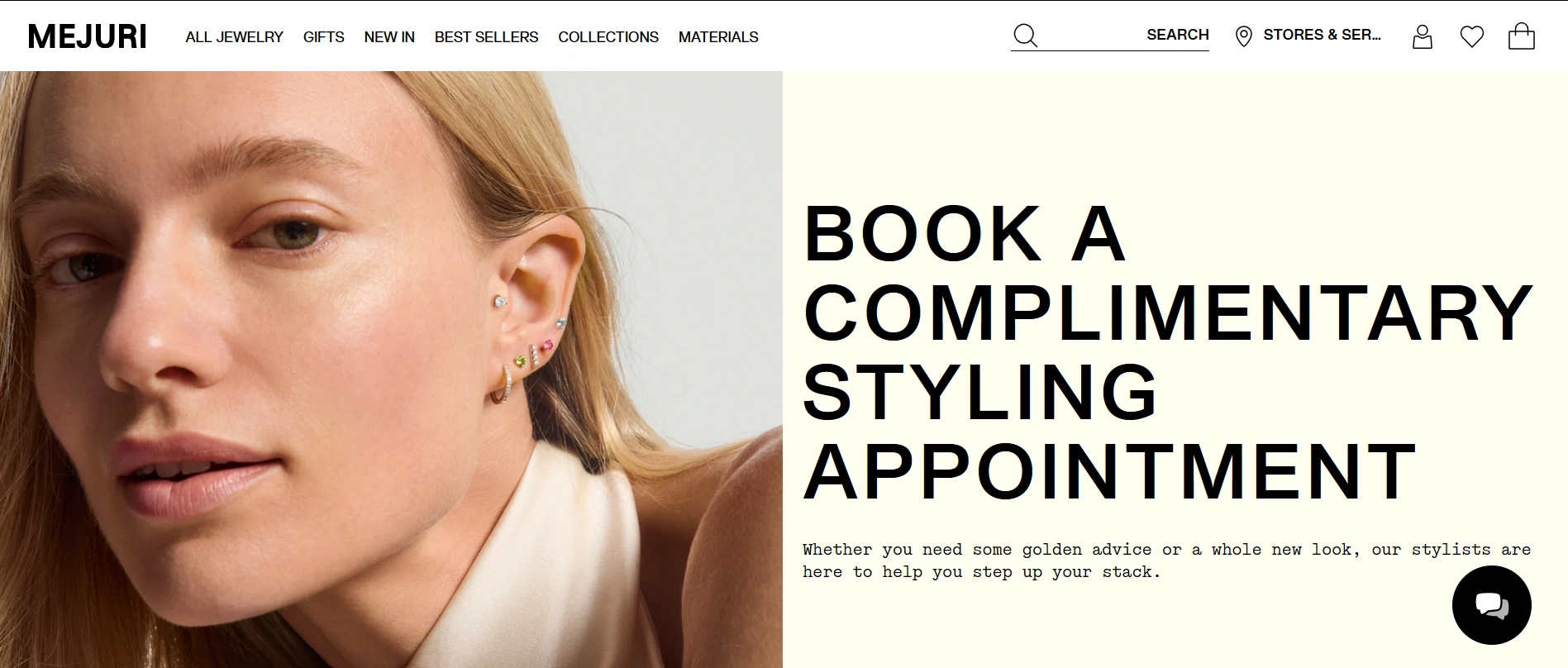
Customers can seek advice from the experts via Mejuri
3. MVMT
MVMT is a popular watch brand among younger buyers, specifically millennials and Gen Z. It offers affordable watches with a luxurious feel and look that complement every outfit. As a cash-strapped startup, MVMT needed a boost in awareness without incurring significant expenses.
The brand then leveraged micro-influencers on popular social media platforms with high engagement rates to break through the competitive watch market. This resulted in over 3x increase in ROI and earned them a loyal community of followers.
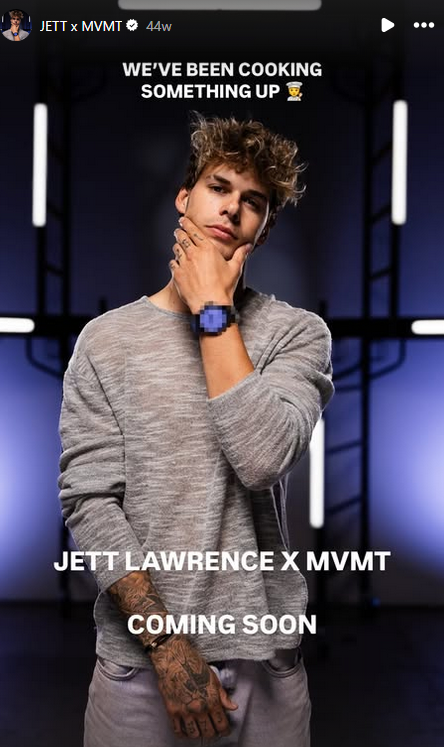
MVMT’s influencer marketing via Instagram
4. Warby Parker
Warby Parker redefines the traditional way of buying glasses by making its products accessible in just a few clicks. From virtual try-ons to scheduling an eye checkup and finalizing a purchase, everything can be done on their website.
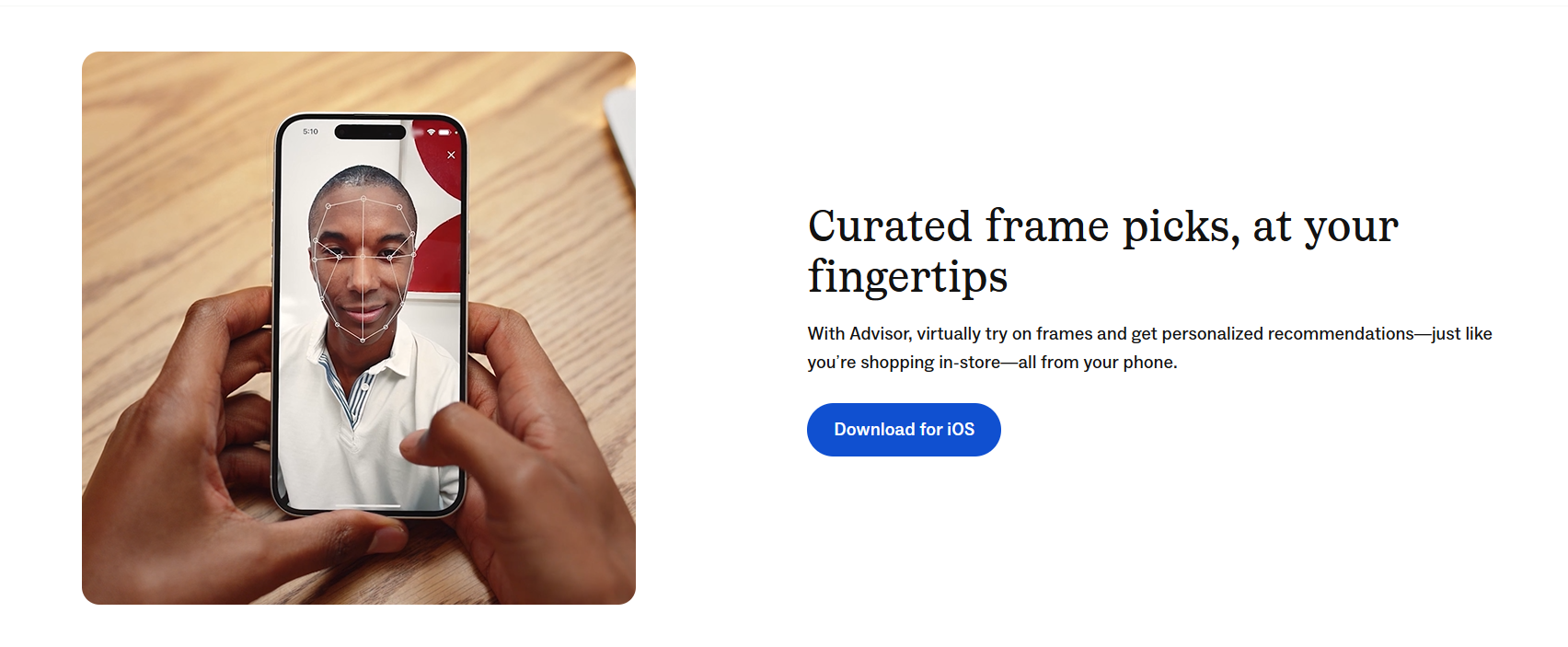
Advisor app via Warby Parker
They also run socially driven campaigns, such as ‘Buy a Pair, Give a Pair,’ in which Warby Parker gives away a free pair of eyeglasses to those in need through its NGO partners. The company successfully removed every hurdle that may dissuade customers from buying a pair of glasses by making the experience extra convenient and rewarding.
Clothing
There’s an upward trend for D2C clothing brands that support sustainability. However, it is not just a marketing ploy; it’s a commitment that people expect to be fulfilled, delivering a personalized brand experience.
5. Everlane
Everlane attracts customers seeking modern, guilt-free fashion. It centers the brand around three sustainability pillars: keeping the Earth clean, keeping the Earth cool, and doing right by people.
The company practices radical transparency by disclosing its manufacturing and supply chains, sourcing materials ethically, and funding sustainability initiatives. Complemented by perks such as free shipping, sign-up discounts, seasonal offers, and a loyalty program, these efforts have established Everlane as a trusted direct-to-consumer (D2C) brand worldwide.
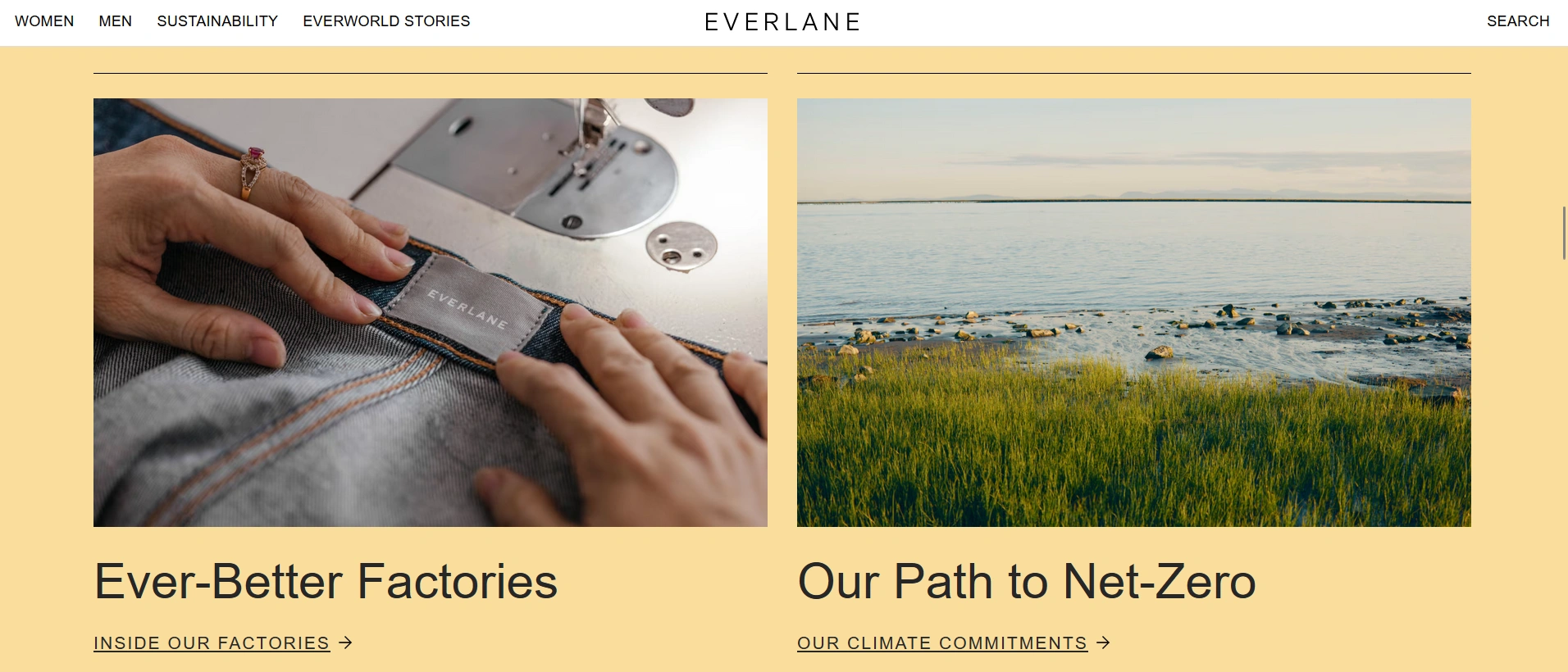
Sustainability efforts via Everlane
6. Reformation
What started as a humble vintage clothing shop has evolved into a successful, trendy, and sustainable fashion company that celebrities, such as Taylor Swift and Kendall Jenner, love to wear.
Their brand campaigns are daring and socially-charged, partnering with the likes of New York City Ballet to honor dance artistry and with Monika Lewinsky to make a statement against bullying. These collaborations have resonated deeply with the youth, increasing demand for the D2C brand.
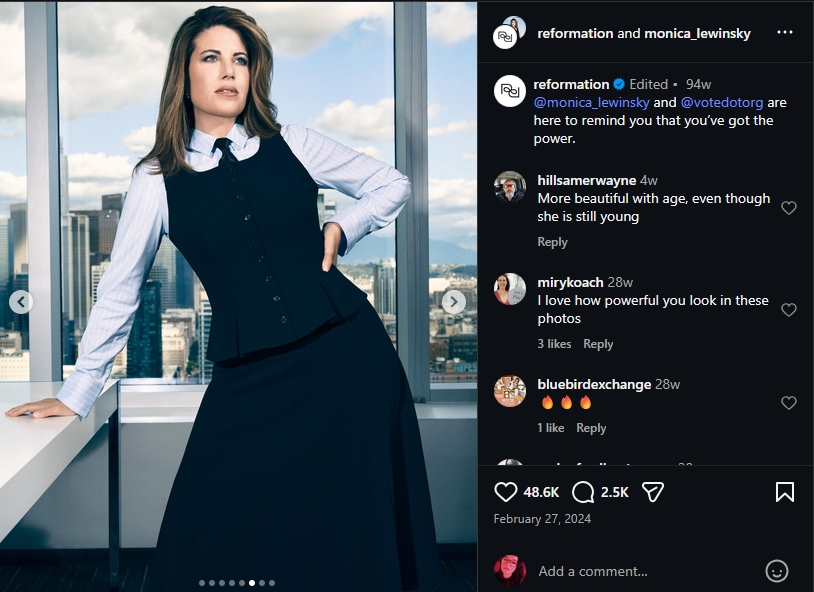
Monica Lewinsky and Reformation collab via Instagram
7. Outdoor Voices
Outdoor Voices redefined activewear by focusing its designs on ‘recreational movement’ instead of sports performance. It highlights comfort paired with a minimalist look, making every Outdoor Voices piece ideal for all-day wear, not just the gym.
The brand invests heavily in community-building efforts, like group jogs and hikes, which strengthen customer relationships. It also features real customers for a more authentic and inclusive feel. These led to a constant stream of web traffic and conversion on their site.
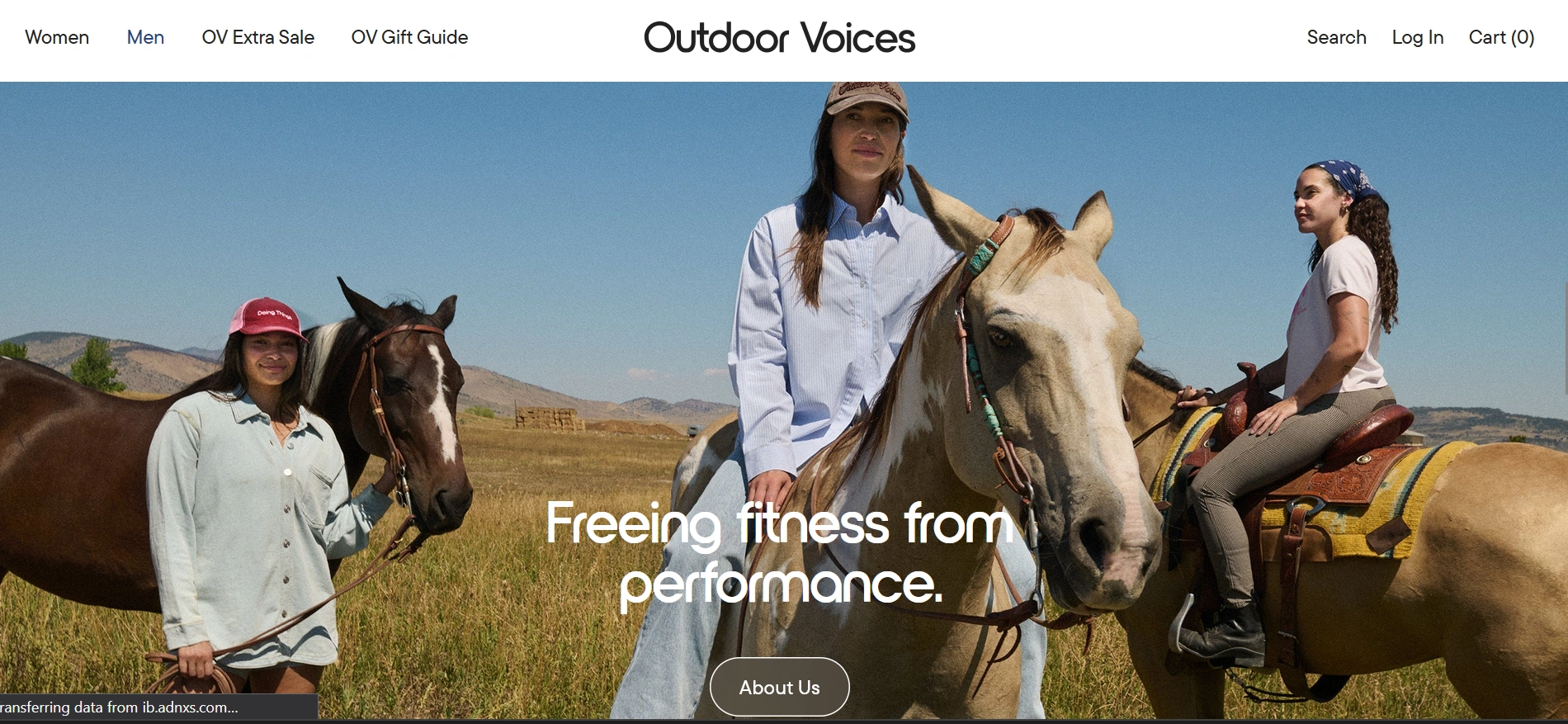
Via Outdoor Voices
8. Stitch Fix
Stitch Fix simplifies clothing shopping with a personalized online experience. Customers take a style quiz, are matched with a stylist, and receive a curated box to try on at home. Buyers are charged only for items they keep, and the rest are returned via the company's pickup.
The company strengthens trust by highlighting real client stories and partnerships with social media influencers. This customer-focused model reduces frustration, boosts convenience, and drives Stitch Fix’s sustained D2C growth.
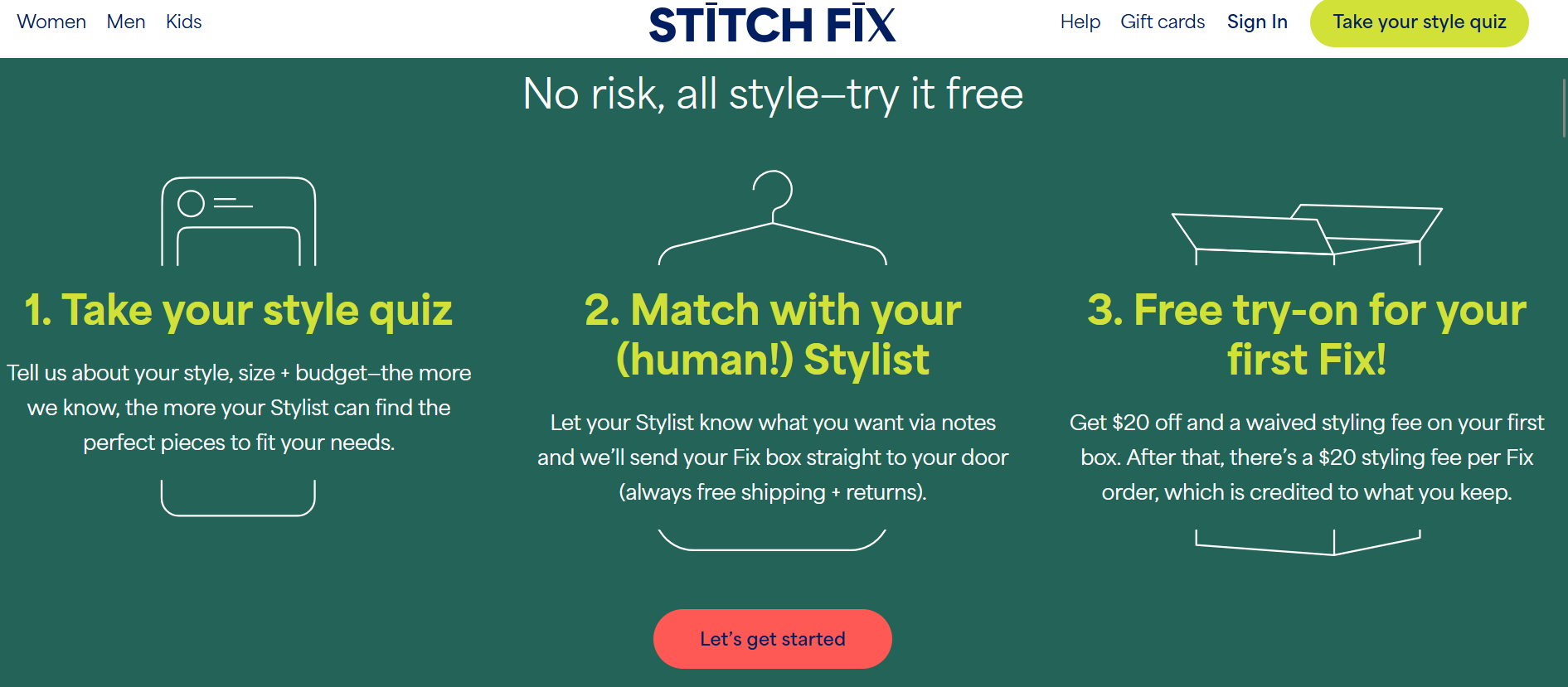
Three-step shopping experience via Stitch Fix
Shoes
Footwear brands succeed when product innovation intersects with compelling design. Just take a look at how the following D2C brands embody this.
9. Allbirds
Allbirds focuses on creating simple, comfortable, and functional shoes made from eco-friendly materials, including eucalyptus fiber. It pioneered carbon-footprint labels in its category and promoted the world’s first net-zero carbon sneakers, which shows transparency.
Across its promotional materials, Allbirds emphasizes its origins, mission, and environmental practices to build trust. Its D2C site and eco-gallery stores offer immersive, educational experiences that help scale the brand from a Silicon Valley niche into a mainstream global footwear company.
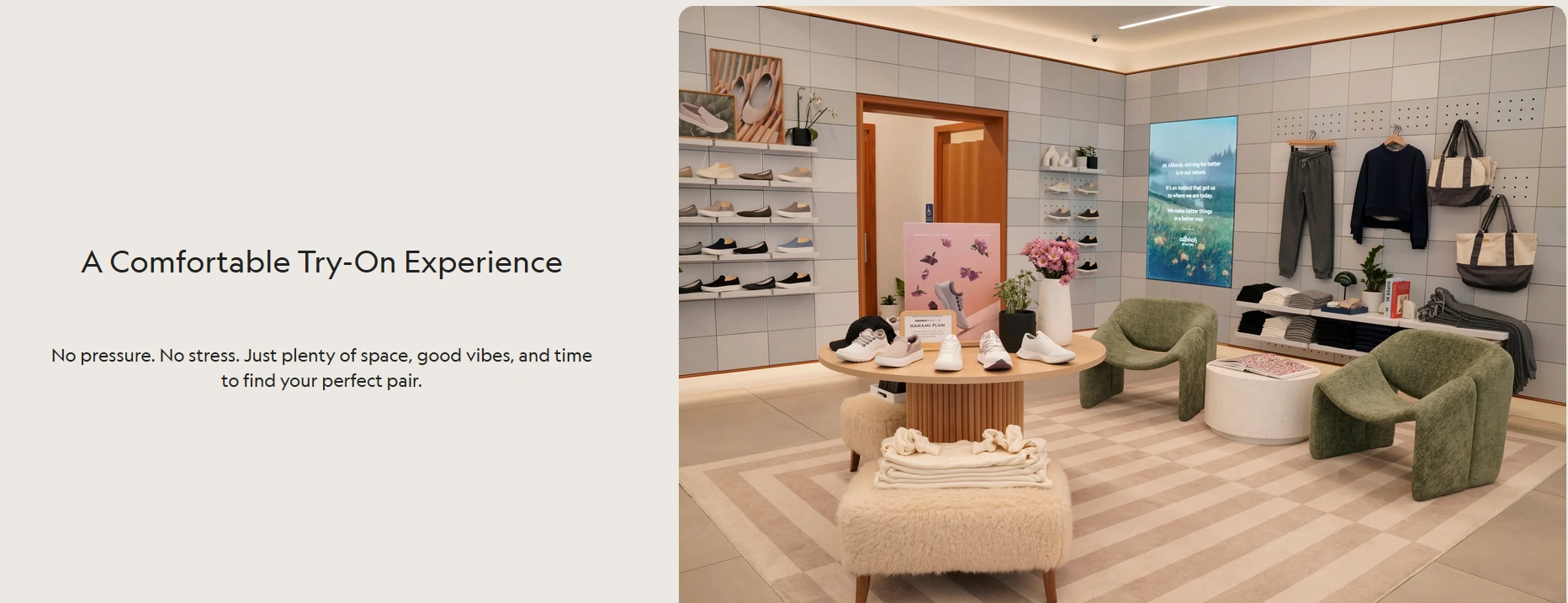
Eco-gallery store via Allbirds
10. Rothy’s
Rothy's makes shoes from recycled plastic bottles using 3D knitting to create seamless footwear. Built on community-led sales, the brand has expanded into wholesale with partners such as Nordstrom and Anthropologie, while maintaining D2C strategies at its core.
Rothy’s engages existing customers for feedback and wear testing. It also collaborates with fashion influencers, a grassroots approach that has driven social media popularity and sustained brand momentum for long-term growth.
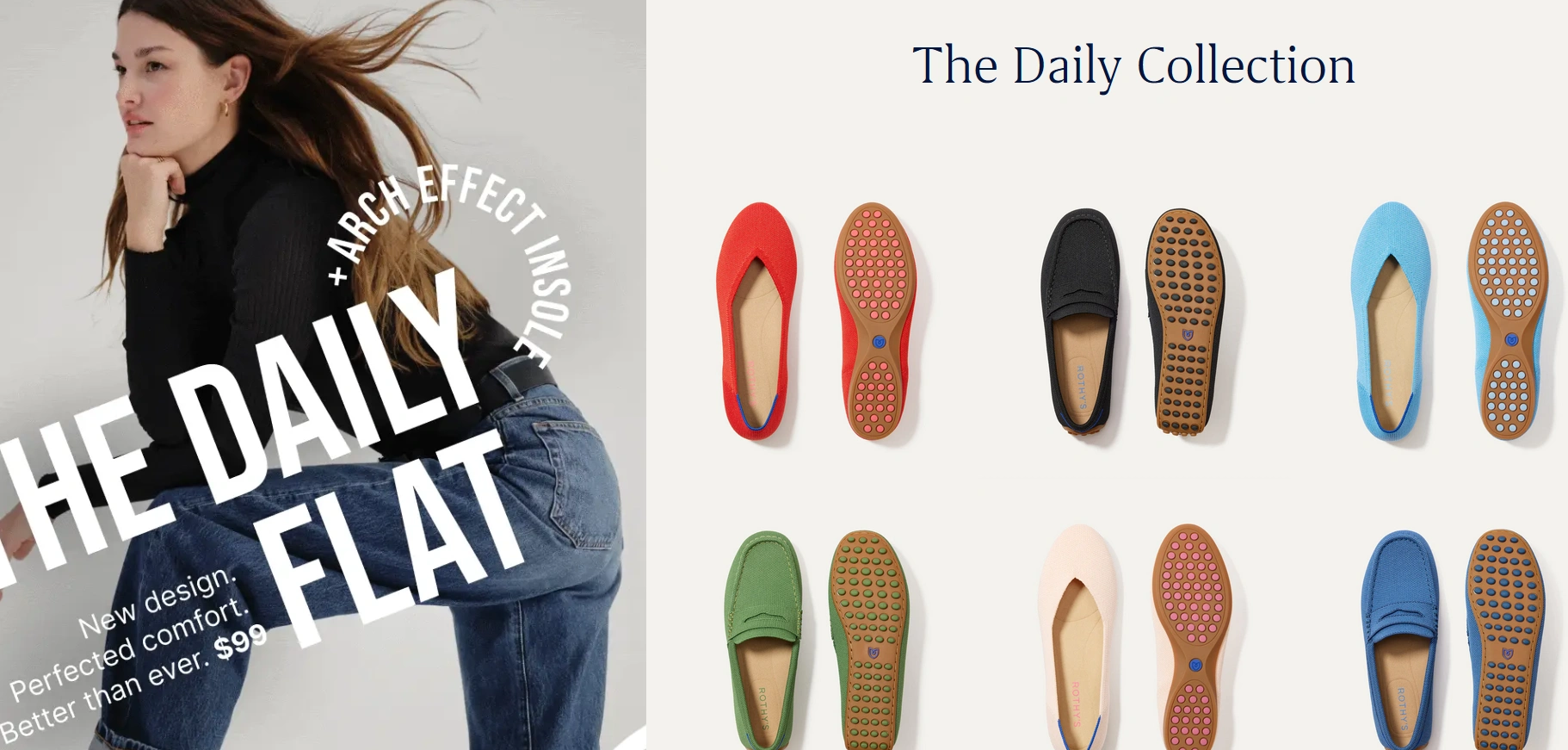
Stylish shoes made from recycled materials via Rothy’s
11. Vessi
Vessi reimagined waterproof footwear with lightweight, Dyma-tex knitted designs that make rain-ready shoes practical and stylish for everyday wear. Launching online, the brand scaled through social media, SEO, email marketing, and a heavy emphasis on UGC and micro-influencer partnerships. This growth pushed Vessi into the mainstream. It also expanded into an omnichannel model that blends online and in-person retail.
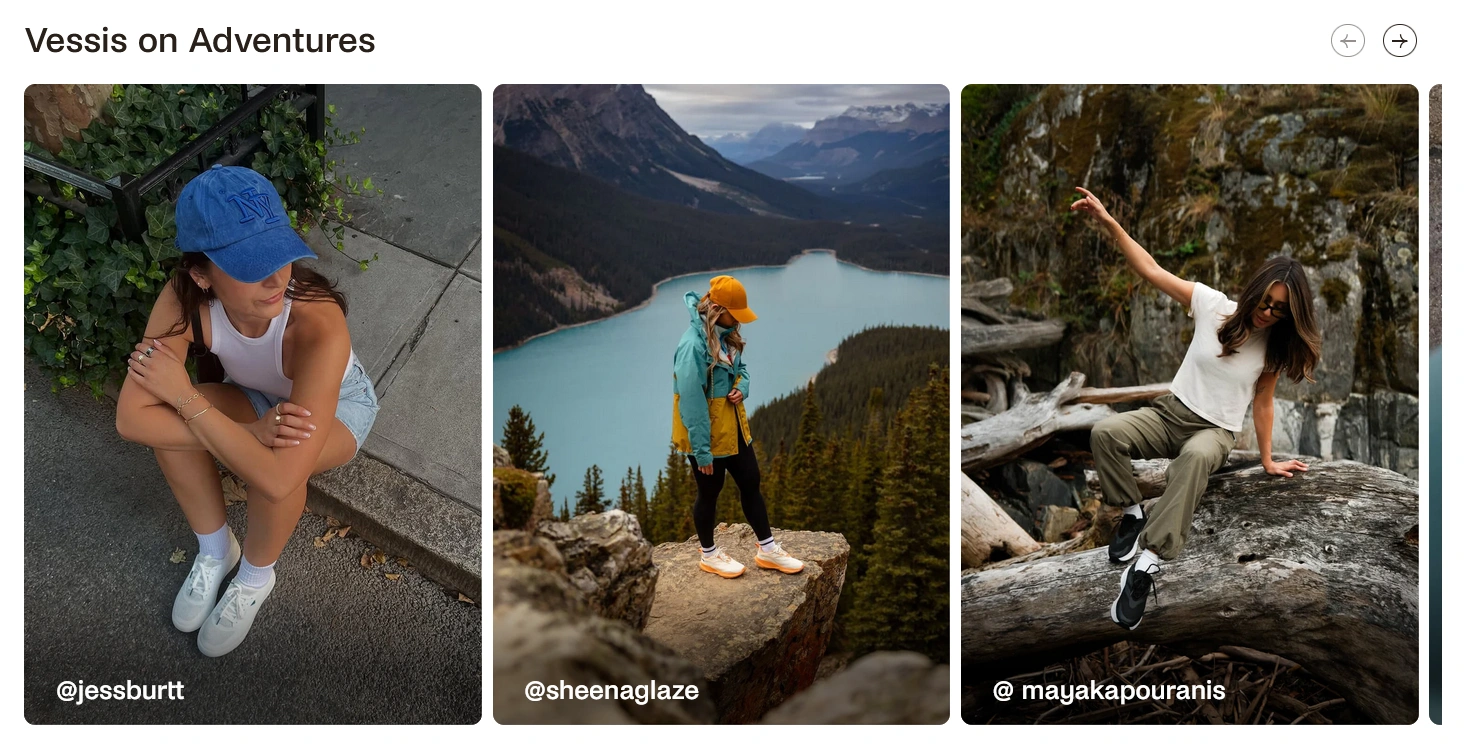
Influencer posts via Vessi
Food & beverage
From nutritionally complete meals to nostalgic snacks, these D2C companies build loyalty by delivering community-driven products and experiences that keep customers coming back for seconds.
12. Huel
Huel makes eating well easier for busy people with subscription-based, nutritionally complete, ready-to-eat meals. Its range includes quick-to-prepare meals, shakes, snacks, and drinks.
Huel utilizes data to tailor products to customers' specific health needs. Educating customers is also integral to the brand’s strategy, through videos, articles, and social content. While rooted in D2C subscriptions, Huel has expanded its distribution to include supermarkets and airport vending machines, reaching more busy consumers worldwide.
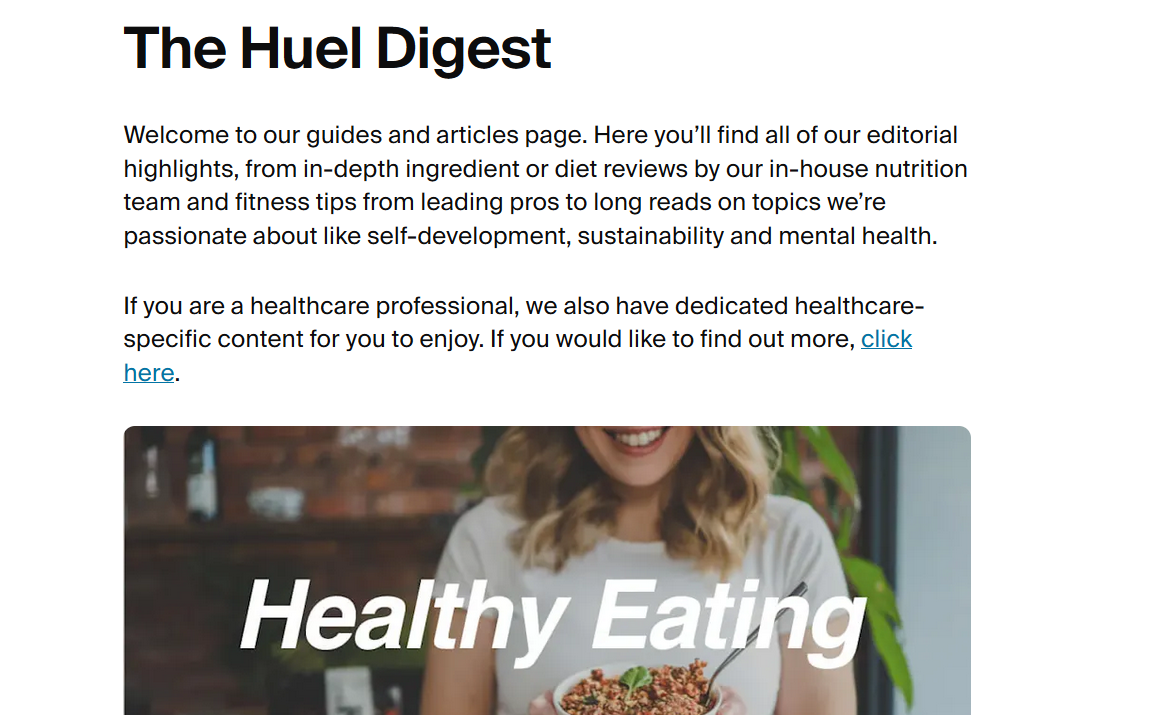
Health and diet-related articles via Huel
13. Magic Spoon
Magic Spoon sells nostalgic childhood cereals reworked as healthier options for adults. It targets adults who want the taste of classic cereals without jeopardizing their health. Priced at a premium, it competes with more nutritious snacks like yogurt and protein bars.
The brand collaborates closely with micro-influencers in the health and fitness space to develop products that their followers are likely to purchase. Magic Spoon also offers an affiliate program with a 20% commission and unique codes, as well as amplifying reach through podcast endorsements.
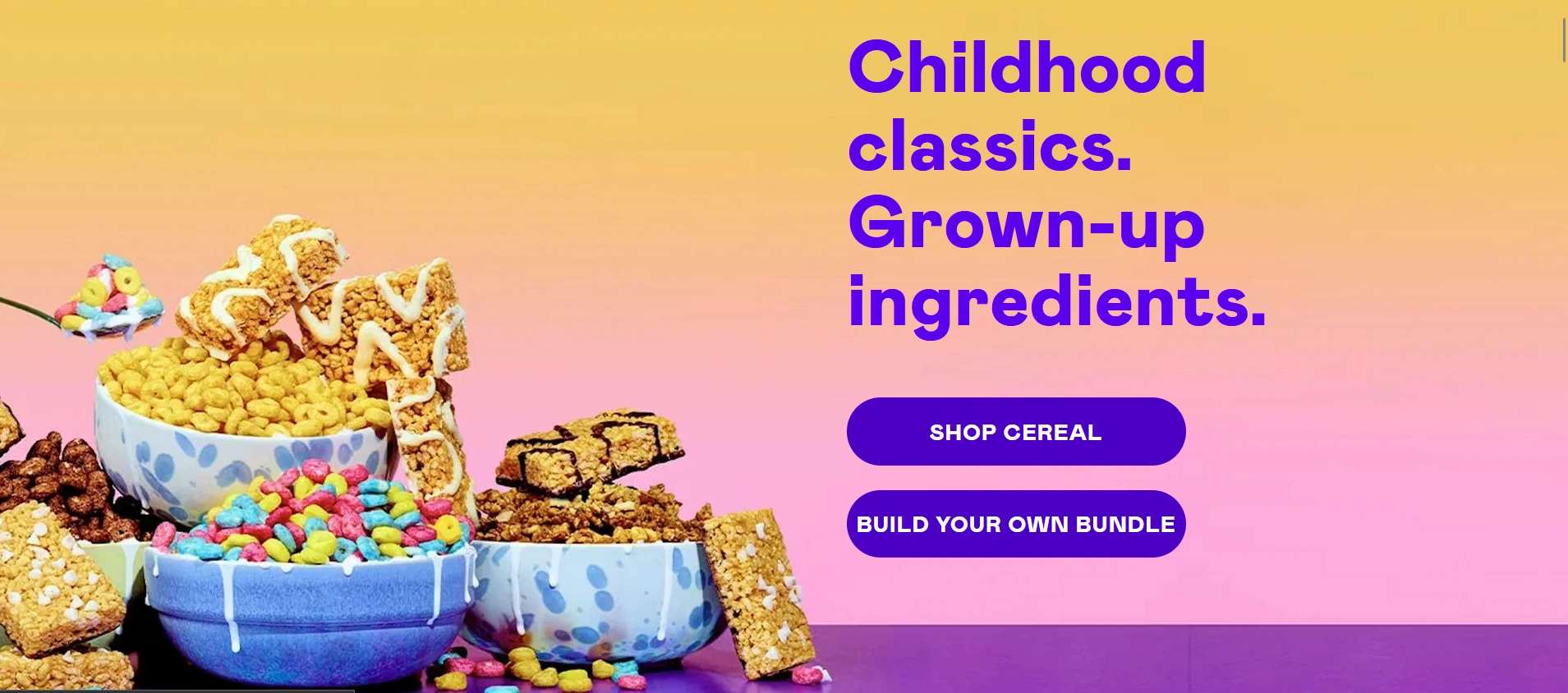
Nostalgic cereals via Magic Spoon
Home & Lifestyle
Thoughtful product design is at the core of D2C home & Lifestyle brands as they elevate everyday rituals. Here are examples of brands that successfully balanced aesthetic appeal and functional design.
14. Ruggable
Ruggable sells washable rugs with removable toppers that peel off for easy cleaning, ideal for parents and pet owners. The brand partners with renowned designers and labels to offer a diverse range of stylish options for every taste.
Instead of picture-perfect ads, Ruggable’s influencers showcase rugs in real homes, reinforcing a “life-first, design-forward” philosophy. It stresses how its rugs are designed to be lived on, not treated as fragile home accessories.
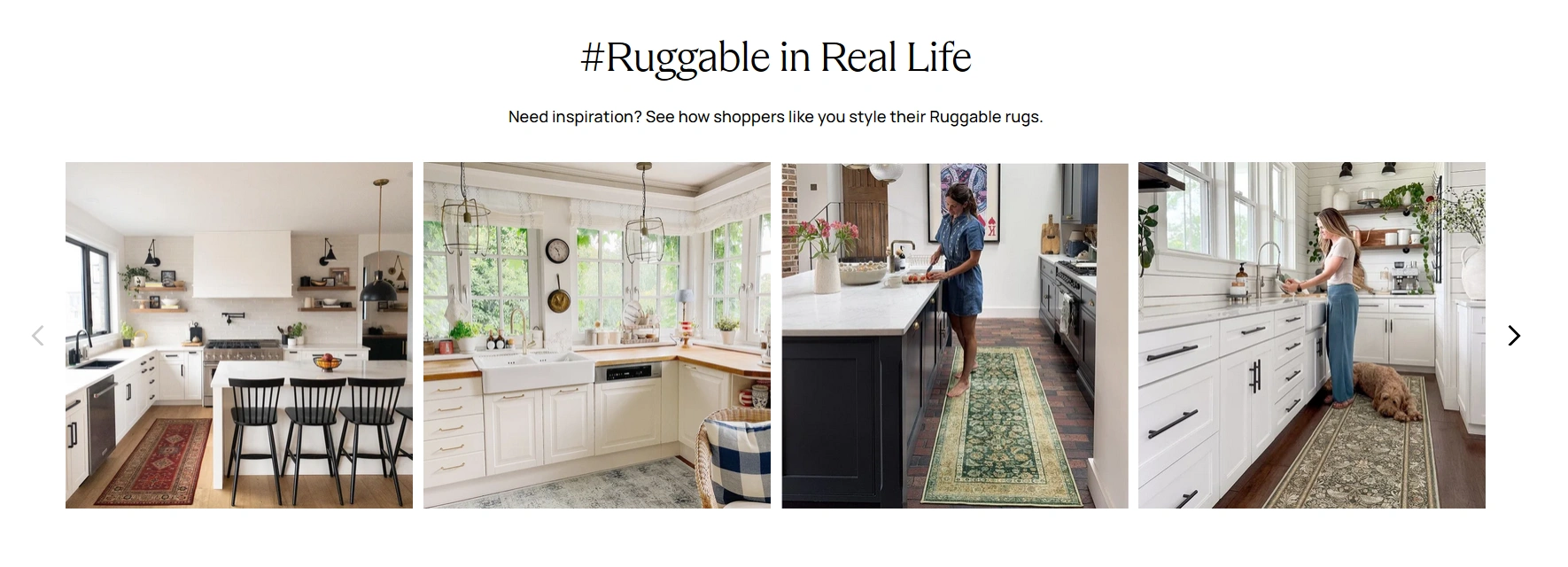
User Generated Content via Ruggable
15. Parachute
Parachute is a luxury D2C brand renowned for its premium bed linens, blankets, and towels. It combines fashion, sustainability, and affordability by prioritizing durability and timeless design over fleeting trends.
Parachute implements an omnichannel approach, combining D2C branding with a strong offline presence through its physical stores. One of their notable campaigns used “Programmatic Direct Mail,” sending customized postcards to high-potential customers. This retargeting strategy has exceeded the campaign's expectations, capturing twice the target conversions.
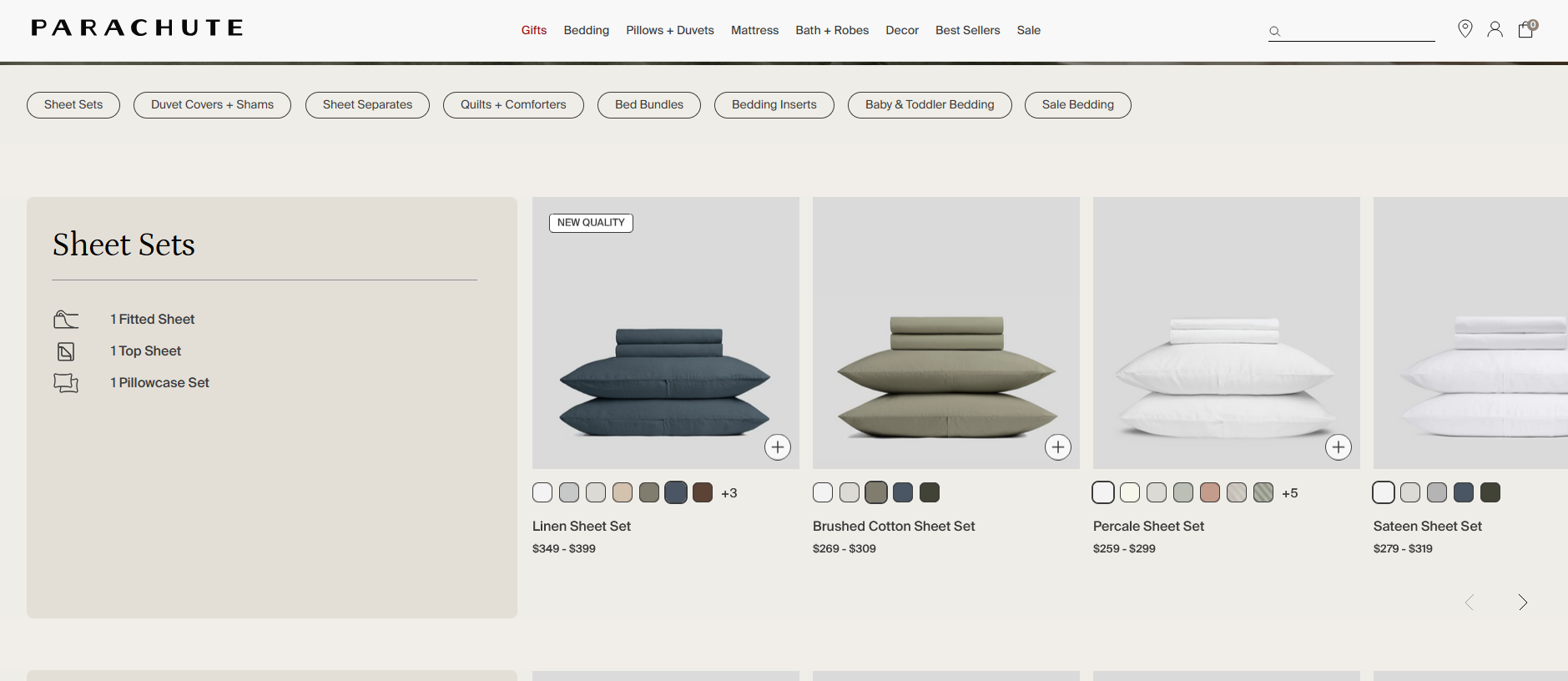
via Parachute
Travel & experiences
A core challenge for this category in the D2C space is managing time-bound inventory and third-party suppliers, such as hotels, carriers, and guides, while providing a fully customizable experience.
16. Expedia
Expedia is a one-stop online platform for travelers looking to book flights, hotels, and other travel activities. With millions of properties, hundreds of airlines, and thousands of activities, Expedia offers the convenience and choice its users need. The brand also uses customer data to personalize the browsing experience, recommending deals and discounts related to their searches and preferences.
Expedia’s strength lies in its multi-channel digital dominance, achieved through SEO, paid ads, strategic social media marketing, partnerships, and AI-powered hyperpersonalization. It’s no wonder they remain among the market leaders in the travel industry.
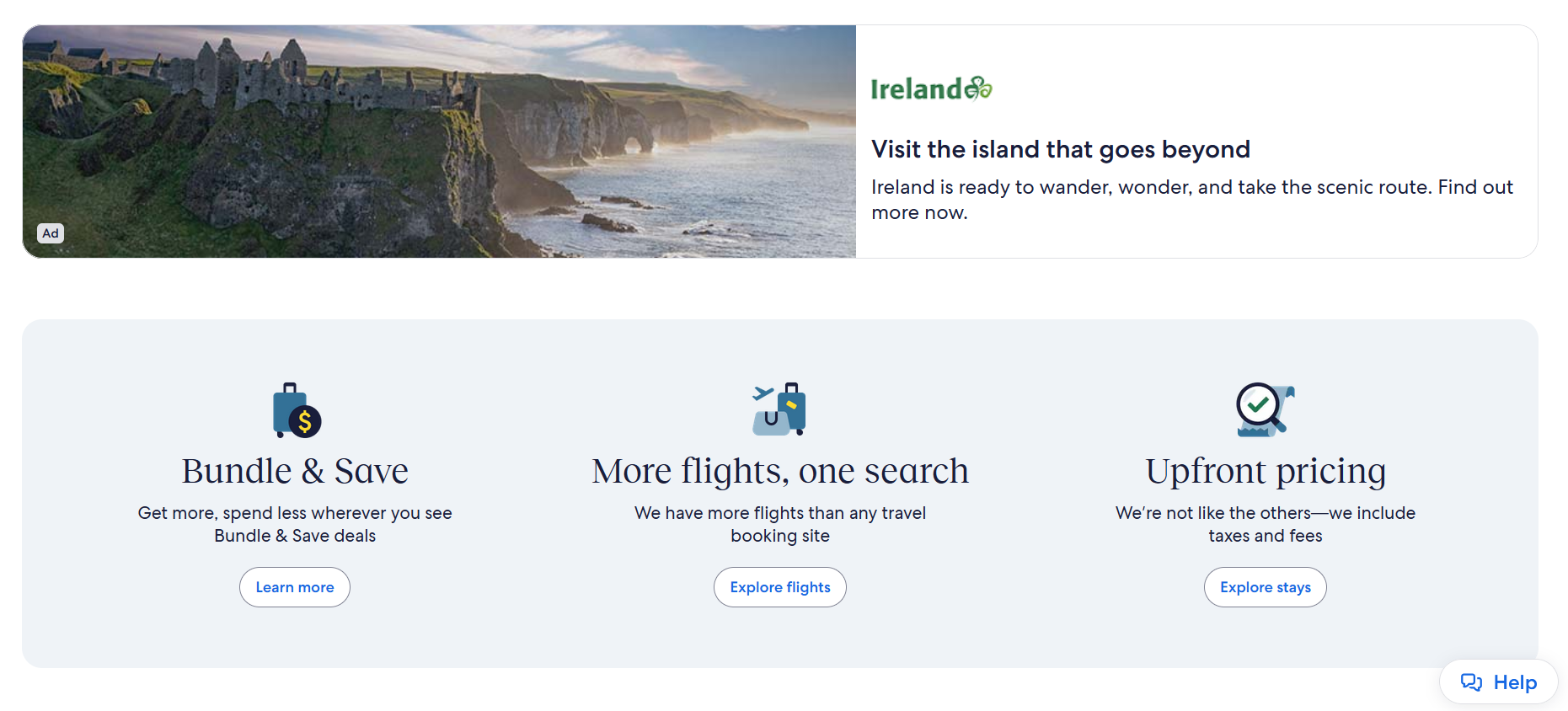
All-in-one travel platform via Expedia
Personal care & wellness
DTC brands that prioritize clean formulations and community-driven storytelling convert routine use into lasting brand confidence.
17. Glossier
What began as a beauty blog became a billion-dollar skincare and cosmetics empire. Using honest feedback from its blogs, the brand created products that offered real solutions to real problems.
The brand collaborates with micro-influencers, features relatable real people in its ads, and amplifies user-generated content on Instagram. Community engagement increases peer-to-peer referrals, web traffic, and boosts sales.
Glosser’s physical stores mirror its social presence, which is highly shareable and Instagrammable, creating buzz and delivering a seamless brand experience across multiple channels.

Chic and Instagrammable online and physical stores via Glossier
18. Quip
Quip offers no-nonsense electric oral care with a sleek design and battery-powered brushes featuring a single speed for easy use. It sells through D2C subscriptions starting at $25, with replacement heads automatically shipped every three months for $5. Combining a minimalist look, practical cleaning features, and accessible pricing, Quip positions itself as the designer choice in oral care.
Since its success, the brand has expanded into retail, with appearances in stores such as Target and Walmart.
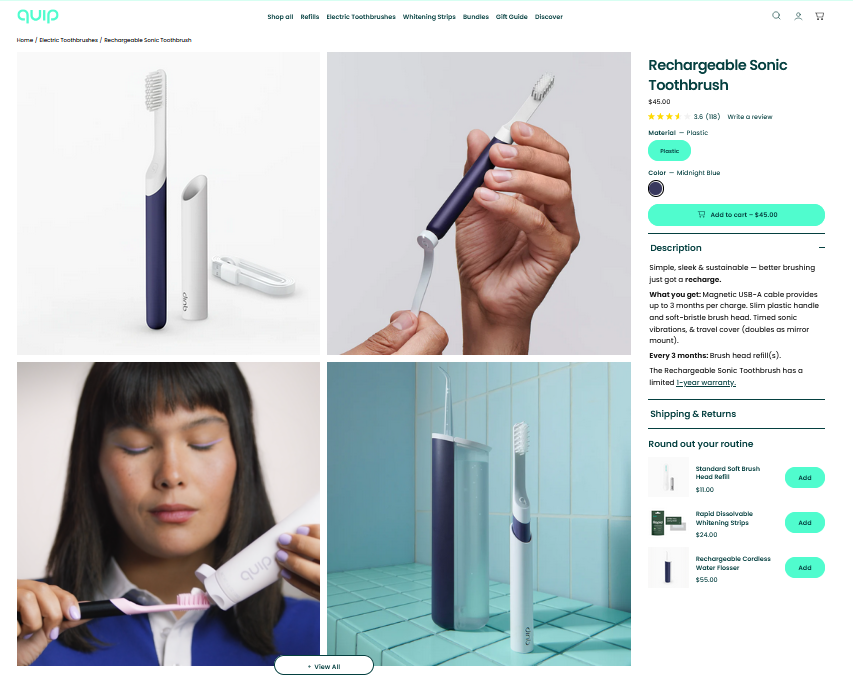
Simple and stylish electric toothbrush via Quip
D2C Brands and The Future
Launching a D2C brand is more than opening an online store. It’s designing the entire customer journey to earn trust and nurture lasting relationships.
Success demands a willingness to pivot as trends shift. Sustainability, transparency, and community-driven engagement will remain key differentiators. Equally important is striking a balance between brand-led storytelling and rigorous logistics and fulfillment to ensure the experience lives up to the promise.
Do these, and you’ll move from isolated sales to scalable brand growth that endures beyond short-term trends.
Dec 23, 2025

Creates insightful, strategy-driven content that translates complex design and branding concepts into accessible knowledge, supporting Ramotion’s mission to elevate digital experiences.