
B2B rebranding carries higher stakes than B2C. A misstep can cost you clients that took months or even years to cultivate, and can be especially damaging in niche markets where each account matters. Learn the basics of B2B rebranding and how to reduce disruptions while keeping key relationships for a growth-ready brand.
What is B2B Rebranding?
B2B rebranding is when a company serving other businesses adopts a new identity to show a shift in direction or market position. Since it involves complex buying groups, B2B rebranding requires longer timelines and metrics tied to revenue and retention rather than awareness.
Signs You Need a B2B Rebranding
Ask yourself the following questions to see if you’re due for a rebrand.
- Is your engagement declining? A rebrand can rebuild customer interest in what you offer.
- Are customers confused about your brand? A rebrand can unify your brand identity across platforms.
- Is your brand still relevant? Refresh your brand and shape a visual identity your audience and community can relate to.
- Are you undergoing strategic changes? Rebranding can convey a change in direction to your audience without alienating your existing customers.
- Are you trying to expand to a new territory? Rebranding can help you reposition and enter new markets successfully.
- Is your company undergoing a merger and acquisition? A rebrand can ensure a seamless transition during a company restructuring.
If you answered yes to multiple questions above, it might be time to hire a B2B rebranding agency.
Phases of B2B Rebranding Project Plan
A total rebrand takes time due to complexity. Divide your rebranding project plan into three phases: strategy and research, identity and messaging, and launch and adoption.
Phase 1: Rebranding strategy & research
Begin by clarifying why you’re rebranding, where the current brand falls short, and how you want to reposition. Use a brand audit, stakeholder interviews, customer surveys, competitor analysis, NPS, and qualitative feedback to chart strengths, gaps, and brand perception.
Distill these insights into clear objects, updating your purpose, values, promise, and positioning. Use research to prioritize investments and set measurable goals that will guide creative and operational decisions of the rebrand.
Phase 2: Brand identity & message building
Turn strategic insights into brand identity and messaging. Develop a scalable design for multiple channels and segments, retaining recognizable elements while modernizing as needed.
The brand message must have a clear core value proposition that makes you stand out, evokes emotional connection, and is backed by proof points—return on investment (ROI), customer lifetime value (CLV), web traffic, and social media engagement.
Phase 3: Launch & adoption
A successful rebranding project needs all hands on deck.
Align leadership and customer-facing teams first. Hold training and workshops, and share clear brand guidelines so everyone is consistent. Monitor adoption with feedback and a KPI dashboard for effective adjustments.
B2B Rebranding Checklist: Critical Steps
Use the following checklist as a guide to manage your rebrand and ensure no critical actions are missed during the transition.
Brand audit deep dive
A brand audit reveals inconsistencies and opportunities to improve branding. Assess visual assets, messaging, and conversion impact to decide what to keep or change. Finally, categorize findings into keep, fix, and remove to clarify your new identity and messaging.
Set clear, measurable goals
A common rebranding mistake is expecting it to solve too many problems, which weakens its effect. Focus on clear, measurable goals.
- Be Specific. Stick to the most important goals that lead to realistic business outcomes.
- Make it measurable. Instead of stating your goal as “increase in sales,” say “increase in sales by 5% in 3 months.”
- Relevant and achievable. Set goals according to your current resources and a realistic timeline.
- Set a timeline. Create a schedule of when you want to reach your goals to keep you accountable.
Build a cohesive brand system
A cohesive brand system reflects who you are and what you want to achieve. Create guidelines using unified language, visuals, and messaging. These help your team communicate your brand consistently.
Align stakeholders early
Identify all stakeholders early so concerns reach the right people. Hold regular meetings and workshops to explain changes, timelines, and deliverables. Gather feedback from your team, too.
Use a RACI matrix (Responsible, Accountable, Consulted, and Informed) to clarify roles, project management tools to track task progress, and collaboration platforms for real-time updates and communication. Document decisions and consistently follow up on unresolved items.
Execute consistently across touchpoints
Chart every audience touchpoint and prioritize high-impact channels. Roll out the rebrand in phases, launching internally first before going public.
Use a Digital Asset Management system so teams can access approved logos, images, and templates. Notify vendors and partners of changes. Regularly review visuals and copy to maintain brand consistency and improve SEO.
Monitor, measure, iterate
Monitor and measure weekly to track impact, overall engagement, and customer feedback. This helps you identify gaps and address issues in real-time. You can then move to a monthly brand health audit afterward. Remember to document issues and solutions for future reference. It is also important to keep your brand guidelines up to date.
B2B Rebranding Mistakes to Avoid and Best Practices
Even established companies commit rebranding mistakes, too. Keep abreast of the common rebranding pitfalls and best practices.
Creating visuals without a strategy.
Skipping a strategy can be a costly mistake that results in a confusing identity. Customers receive mixed messages that do not match the new visuals, eroding trust and recognition.
Rebranding best practice: communicate early and often.
Every proposed visual should be checked against strategic mandates. Frequently ask yourself, “How do these elements communicate the rebrand’s core objective?”
Rebranding without ICP clarity or persona validation.
An Identity Customer Profile (ICP) guides the brand into targeting the ideal customers. When your rebranding is based on assumptions, you risk creating unintended values and wasting resources on low-potential buyers.
Rebrand best practice: test messaging and visuals with real buyers before launch.
Your rebrand should focus on situational triggers that your customers hire your product to address.
Ignoring sales enablement and internal adoption.
When you fail to equip your teams with the right tools and messaging to explain and sell under a new brand, the external promise fails to align with internal reality, making the rebrand wasteful.
Rebrand best practice: train teams and appoint brand champions.
Appoint a key person in each department to manage departmental workflows, brand training, and provide feedback on what’s not working.
Overcomplicating messaging.
Abstract claims with no real customer case studies or solid data actually expose gaps between what was promised and what was delivered.
Rebrand best practice: every claim needs a proof point.
Publish case studies, ROI, and other metrics to back your claims. Track these in your dashboard.
Work with one of the top branding agencies that will ensure you avoid these mistakes for your next rebrand project.
B2B Rebranding Case Studies to Learn From
So, how do these strategies apply in real-life? Learn more from our rebranding examples below.
Mellow Mushroom rebrand
Mellow Mushroom is a stone-baked pizza chain known for its “psychedelic” atmosphere. Primarily B2C, it also grows through franchising to B2B clients, so the rebrand needed to serve customers and franchise partners.
What changed? As part of its 50th anniversary, the brand refreshed visuals and operations to be mobile-first and franchise-friendly.

Old vs. new logo of Mellow Mushroom via Logos World
*1. Modernized visual system *
New and cohesive logo, menu design, staff uniforms, etc., create consistent recognition while allowing franchises to personalize their spaces, like featuring murals from local artists, within a unified system.
2. Seamless digital experience
A mobile-first site and multiple payment options boosted accessibility and online orders.
3. To-go operational design
Dedicated to-go counters and pickup windows with separate teams reduced congestion and streamlined order fulfillment for both dine-in and online sales.
What can we learn?
Preserve recognizable equity while standardizing systems (UX, brand assets) so the brand can scale up without alienating franchise partners or customers.
NerdWallet rebrand
NerdWallet is a financial company with a B2B business model that earns referrals from financial institutions.
What changed?
NerdWallet wanted to shift from a purely transactional tool to a humanized guide that helps users navigate the complexity of personal finance.

NerdWallet mobile app via Google Play
1. From nerdy to friendly financial navigator
The new visual language eliminated finance-speak in favor of friendlier, relatable content featuring real people facing financial struggles. The rebrand also provides AI tools and a mobile app that help users make informed decisions.
2. Transparency with a framework of fairness
NerdWallet democratized financial information with formal systems that ensure internal fairness for compensation and performance management.
3. From siloed to seamless experience
NerdWallet moved from a database model to a guided path model. For example, instead of keeping articles and comparison tools on separate pages, the brand embedded tools into editorial content for consistent engagement.
What can we learn?
Rebrands that deepen customer relationships must change both the product experience and brand messaging.
Interface systems rebrand
Interface Systems provides security hardware to other businesses. But it has been stereotyped as a security camera vendor, which makes expansion challenging.
What changed?
The rebrand moved away from that image and established Interface Systems as an intelligent security provider, leveraging data and insights generated by security systems.
*1. Rebrand message shift *
Interface Systems overhauled its product architecture with its cloud-based platform, Interface IQ, which consolidates security data into a single dashboard. This shifts the messaging to a company that delivers actionable insights from real data to improve security.
2. Value over generic features
The brand publishes case studies, like Retail Security Insights, that demonstrate measurable benefits in security spend, which is the primary language of its B2B buyers.
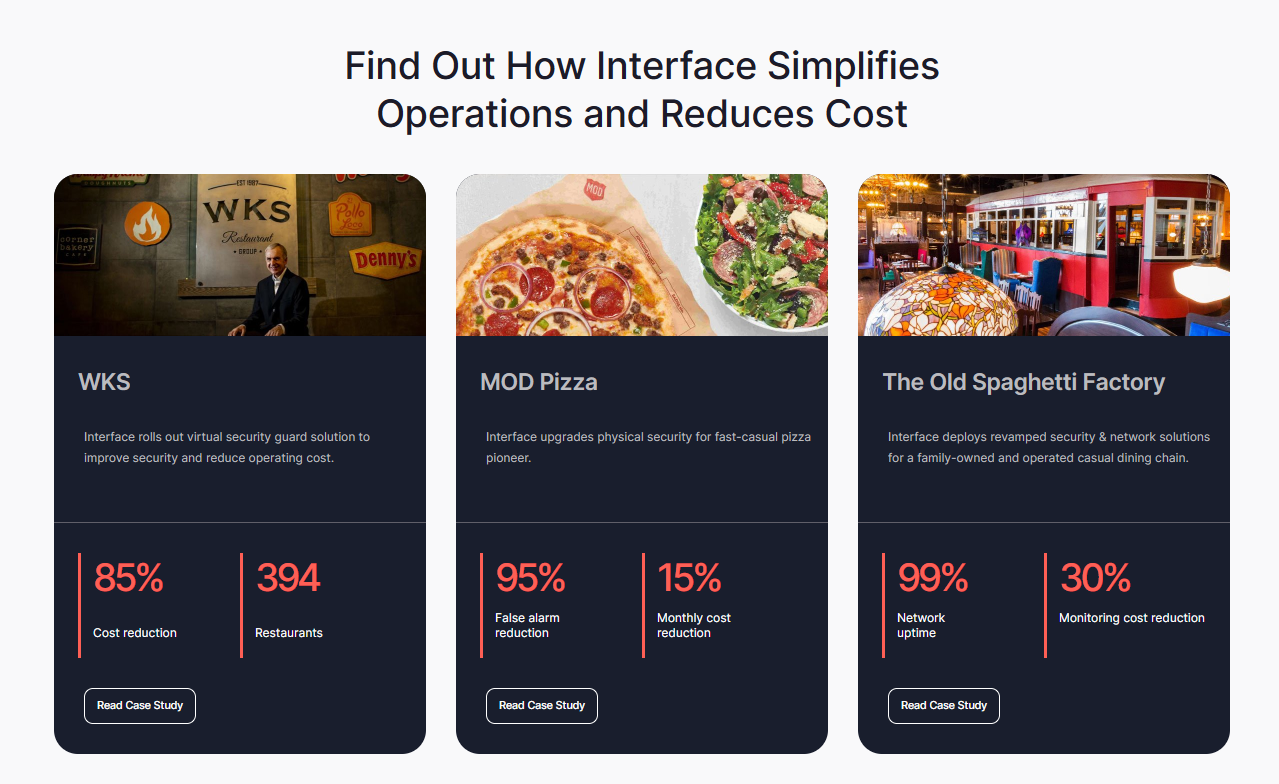
Highlight value that directly addresses buyer needs. Image via Interface Systems
What can we learn?
B2B rebrands must translate into buyer-relevant value. Buyers respond to measurable outcomes, so communicate this by providing a scalable answer to the question: “What can you actually do for me?”
Slack
Slack was experiencing a gap with an identity that no longer reflected its rapid growth. There was a need to simplify, especially the 11-colored hashtag logo, for a more cohesive, flexible look.
*What changed? *
1. Controlled brand palette and logo
A simplified logo and color palette that unites all Slack products.
2. From techie to friendly
The use of a friendlier, empathetic tone and microcopy, paired with vibrant design elements, reinforces Slack’s commitment to creativity and professionalism.
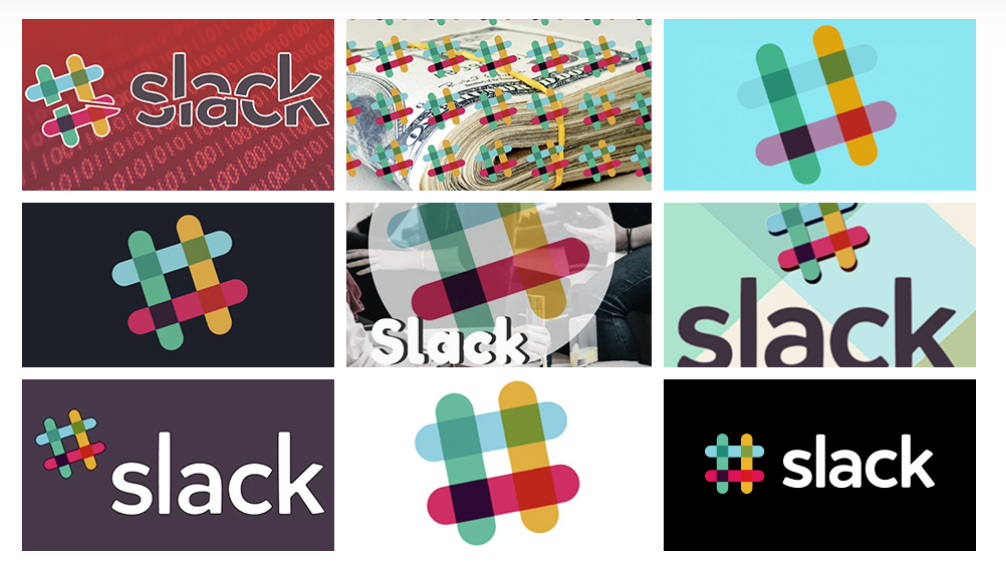
Old logo via Slack

New logo via Slack
What can we learn?
Simplify identity and language to match scale and use cases. Anchor your rebranding strategy on authenticity and clarity to reduce confusion across products and audiences.
Deloitte digital
Deloitte Digital fully embraces AI by providing tools that help businesses keep up with the increasing demand for creative and engaging content.
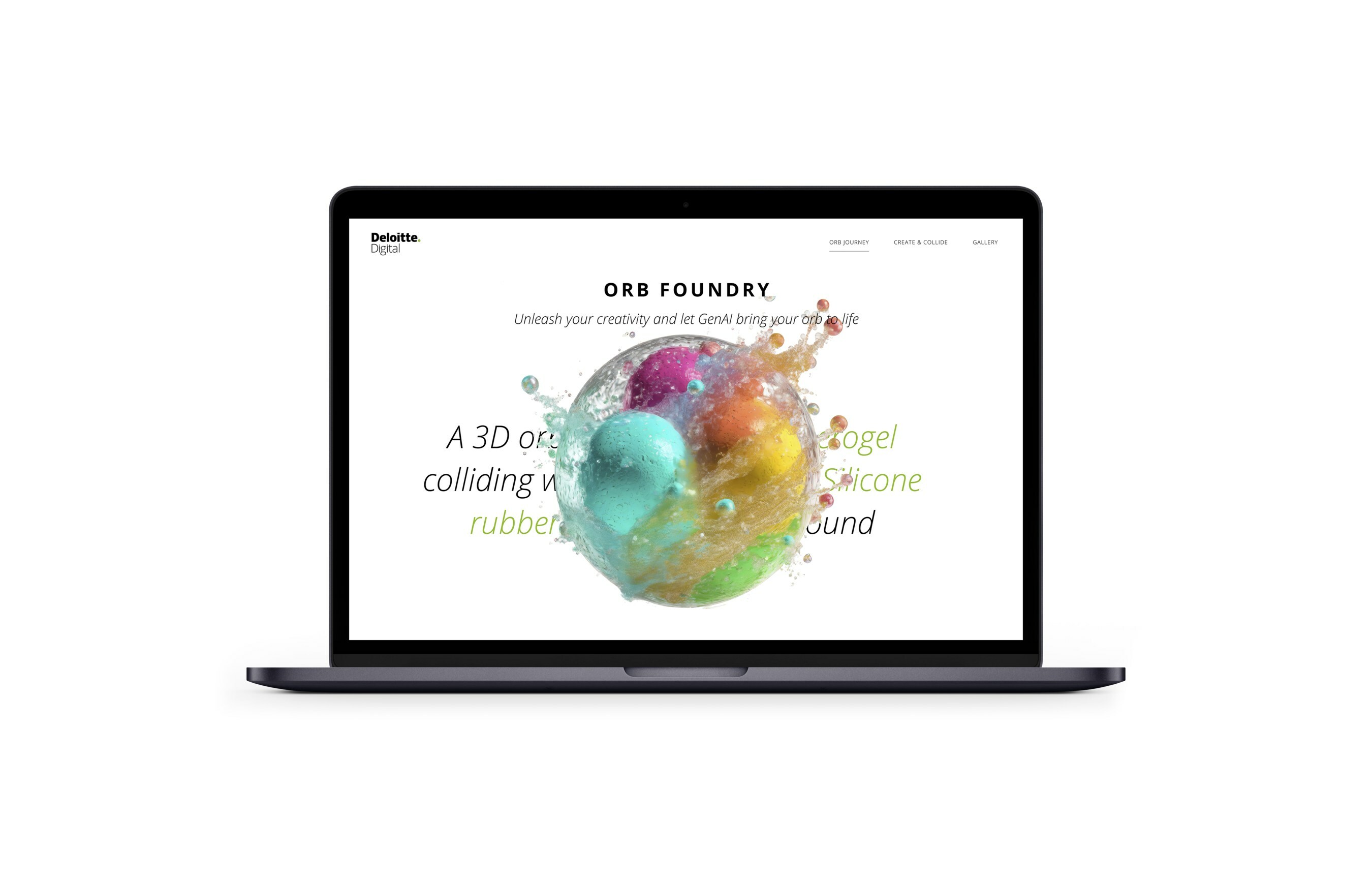
Orb Foundry launch via PR Newswire
What changed?
1. Product introduction
Deloitte launched its AI-powered tool Orb Foundry, demonstrating how generative AI can help businesses scale up globally.
2. From doer to leader messaging
The messaging moved away from simply executing digital projects for its clients to leading business transformation, with service delivery as proof.
3. Cohesive identity
Deloitte adopted a more creative and unified aesthetic, applied consistently across all touchpoints.
*4. Introduction of a central hub suite *
The rebrand rolled out with the opening of Deloitte Digital Nexus in New York—a collaborative hub that welcomes organizations that want to solve complex business challenges.
What can we learn?
Proof wins over promises. Show tools, structure, and spaces that demonstrate your brand's ability to deliver transformation.
How to Measure B2B Rebrand Success
Measure what changed after a rebrand by tracking brand metrics and how they have affected your profitability. Create a dashboard that gives an overview of how each correlates to demand, revenue, customer retention, and your people.
Brand awareness and perception
Brand awareness and perception reveal how well the new brand identity is recognized and accepted by your audience, both when they see it directly (aided) and when they think of it on their own (unaided). This helps understand if people like the new brand more, trust it, and prefer it over other brands.
Measure brand awareness and perception by:
- Conducting pre- and post-rebrand surveys.
- Testing messages with real customers for alignment and resonance.
- Monitoring comments and feedback to identify and fix problems.
Engagement by target audience
Tracking engagement, like branded search, social media interactions, web traffic, and customer feedback, helps assess whether a rebrand successfully captured the interest of its intended customers, indicating improved brand relevance.
Identify, categorize, and prioritize best-fit customers based on industry, company size, behavioral traits, and pain points to avoid noisy conclusions. Run A/B testing between the old visuals and messaging, and compare the results.
Revenue & pipeline metrics
Revenue and pipeline metrics tell you if your rebrand is actually making your business more profitable. If the following metrics don’t improve, then you need to change your brand strategy:
- MQL conversion to SQL
- Win rate: Number of deals won out of all qualified leads.
- Sales length cycle: The number of days it took for the sales team to close a deal. For B2Bs, it can take months or even years. But if it takes too long, then it means there are inefficiencies.
Keep in mind that these metrics can be affected by seasonality and campaign changes.
Employee adoption & engagement
Engaged employees act as brand ambassadors, crucial for establishing brand trust and consistency in the new brand message. To measure, conduct job satisfaction surveys, brand usage compliance, and assess referral metrics. You can also review customer feedback to spot customer service issues that need to be addressed.
Conclusion: B2B Rebranding That Drives Growth
B2B rebranding can be risky but effective in transitioning your company to success. But it requires strategies that are data-led, shaped by experiences, and focus on delivering cohesive products, messaging, and promises. It’s also an ongoing process that requires consistent monitoring and iteration after launch.
Done right, a B2B rebrand becomes a growth engine that increases conversions and accelerates long-term market relevance.
Feb 6, 2026

Creates insightful, strategy-driven content that translates complex design and branding concepts into accessible knowledge, supporting Ramotion’s mission to elevate digital experiences.