
Do you know that there is an effective way to awaken your brand, weaponise your story, and fuel your sales and conversions? And it does not require huge investments, tricky marketing strategies, or top-notch AI-based software. All your company needs to unlock these benefits is to find its inner charisma and bring it to the conversation with the target audience through a thoughtfully developed, well-presented tone of voice.
A brand's tone of voice is a set of words, phrases, and emotions used to connect with the market. It is the tiny attribute that shapes the company's personality. According to Forbes branding experts, it is one of the most vital and powerful tools for creating authentic communication, strengthening a company's recognition, inspiring trust, and reinforcing reputation.
Lying at the core of a brand's identity, tone of voice helps the business maintain its true self across various channels and interaction points, deliver the key message, and create an emotional bond with a positive lasting impression.
What exactly is the tone of voice, how it differs from the brand's voice, and how to define and maintain it consistently across multiple interaction points? Follow our guide to find the answers.
Voice vs. Tone: Key Differences
Tone of voice is a fundamental part of a company's unique personality and archetype that demonstrates its charisma and values. It is a tool used to communicate the brand messages to the target audience across multiple interaction points, as well as to build a strong team and working culture inside.
Tone is not the brand's voice. Tone and voice are often confused, but they are distinct concepts, even though they perform similar tasks.
Voice of the brand is a distinct way of speaking to the target audience. It is a cornerstone of the company's personality, reflecting its core values, mission, identity, goals, and even its value proposition. It uses language, well-elaborated choice of words and phrases, sentence structure, a certain gamut of emotions, style, and tone.
The key difference between tone and voice is that tone is an integral part of a brand's voice that helps express it in a specific setting. It is used to create authentic communication with the target audience, deliver the key message consistently across channels, and reinforce the brand's personality and reputation.
Unlike voice, which remains consistent, tone might change. Much like a person's mood, which reacts to a new environment, tone also adjusts to the context, depending on the situation, the audience, the marketing campaign, the platform, the interaction point, or even the atmosphere of the dialogue.
To sum up, the voice stays unchanged so that consumers can perceive the brand as intended, thereby building trust and demonstrating its reliability and credibility; whereas the tone focuses on the message and changes to blend into the environment.
Understanding the subtle differences between tone and voice, and how they interplay, helps the company capitalise on their potential and maintain consistent communication with the target audience in chatting and content writing.

Why Tone of Voice Matters?
As an integral element of the company's personality and identity, tone of voice plays a crucial role in turning the brand into a serious player in the arena, with a well-established personality and a strong market position. Along with the voice, it effectively reflects core values, charisma, and identity, delivering the key message and mission across diverse communication channels.
The flexible tone that consistently supports the voice while skillfully adjusting to the environment, campaign, and situation helps build trust, shape the brand's perception, and demonstrate the company's reliability and credibility.
When you hire a professional website development firm, its team also helps you to unlock these practical benefits:
- Creating a relatable space that allows the brand voice to bring consistency in the connection.
- Strengthening the brand's appeal to the customer.
- Establishing authentic, trustworthy, and reliable communication.
- Fueling marketing and advertising campaigns by adjusting to the context and reinforcing content delivery.
- Encouraging ongoing conversations that engage consumers and turn them into the brand's fans.
How to Define Your Brand Tone of Voice?
The tone of voice is an essence of your personality. With multiple channels and interaction points, it becomes of huge importance in the era of digital communication to avoid delivering mixed messaging.
It is crucial to find your brand tone of voice, define it clearly, and elaborate on the strategy for applying it across various scenarios so it aligns with your core values and resonates deeply with the people you aim to reach. When working with best website design agencies, align on tone-of-voice expectations early so design and content execution stay coherent. Here are four basic steps that every company needs to take.
Step 1: Audit existing website content
With the clear understanding of the brand's archetype, vision, values, mission, and goals, the first step is to conduct an in-depth, independent audit of your current communication methods with the target audience, especially those on the core website.
Auditing the existing website content surfaces inconsistencies across current materials. These insights identify areas for improvement and gaps between the existing tone and brand goals, providing reliable data for effective adjustments.
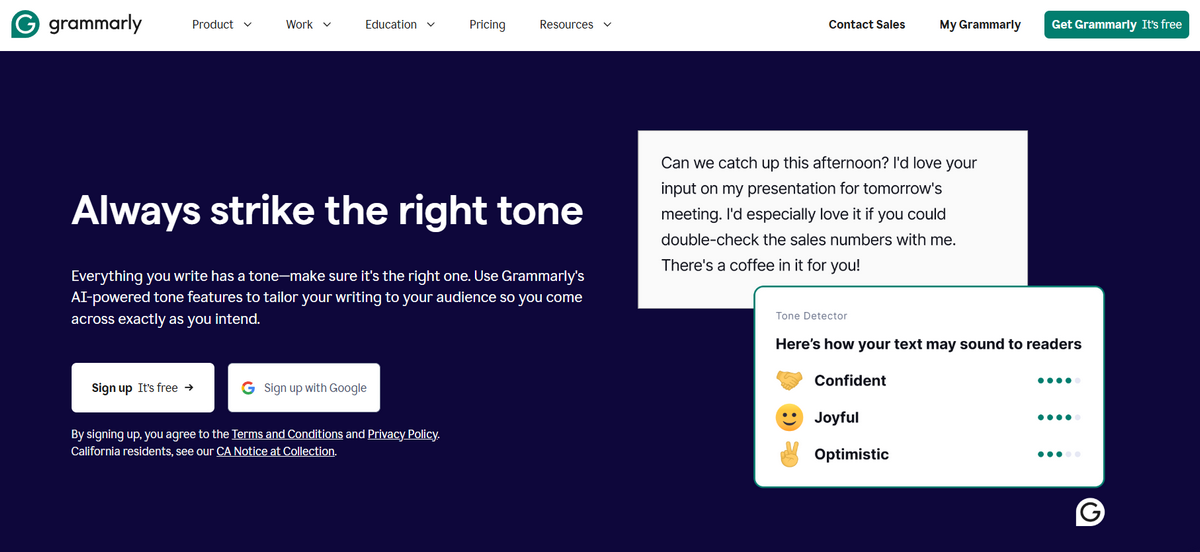
Step 2: Define tone by audience and goals
Aligning tone of voice with the target market segment's preferences and expectations helps the company create authentic communication that truly resonates and builds an emotional bond.
Therefore, conduct thorough research on the target audience's needs, preferences, and expectations, as well as inspect industry norms and communication goals. This analysis provides relevant data to define the scope of your tone, assign tonal attributes to various segments and platforms, and create a consistent voice in your message delivery.
Step 3: Create clear tone guidelines
The tone guideline is a thoughtfully elaborated, highly detailed document that describes the tone of voice and how to use it across platforms, communication channels, specific situations, and market segments to ensure consistent use of the brand voice.
As a rule, it features tonal attributes, phrases, sentence structures, emojis, actionable "do/don't" rules, word and phrase types, channel- and platform-specific rules, preferred pacing, stylistic preferences, and methods for adaptability. It might also include preferred and prohibited phrases as vivid examples so that customer-facing employees know how to handle different situations.
Step 4: Maintain tone across all channels
Creating a tone-of-voice guideline is the solid foundation for achieving consistent communications. The next step is to apply all those principles and ensure all your customer-facing employees and stakeholders adhere to them.
Start with educating your personnel and getting everyone on the same page. All your rules must be clearly understood so that the correct tone attribute is applied.
Second, ensure the guidelines are easily accessible to every person in your company.
Third, encourage your employees to adjust the tone to the context and listen to the target audience.
Finally, set up periodic reviews. Collect relevant feedback and monitor the channels to gather the necessary information for correction and improvement. Conduct regular training to ensure your tone of voice speaks to the audience in the same language and aligns with your core values and vision.

Keeping Tone Consistent and Contextual
While voice's mission is to remain consistent, tone's goal is to adapt to different communication scenarios and deliver the message without distortion or confusion, thereby creating an authentic connection and experience.
To achieve this, companies need to balance flexibility and consistency, overcoming certain challenges and avoiding mistakes. Let's consider several professional recommendations that might help you.
Adapting tone for platforms
Much like a logo or tagline, a brand's tone helps customers recognise it in the market effortlessly. It creates a memorable, meaningful, and valuable experience that may differ but only slightly depending on the platform.
As the digital era offers multiple ways to communicate with consumers – websites, social media, email, etc. – it has become vital to adapt to each platform and communication channel to meet the audience's expectations and preferences.
For instance, productive interaction on social media requires short, straight-to-the-point dialogues, whereas website users prefer reading lengthy articles to find detailed information. This means the type and length of the content, as well as the platform's specificity, dictate the tonal attributes, sentence structure, and emotional context, making it important to adopt a tone for each point.
Common tone mistakes
One of the best ways to reinforce your tone of voice is to eliminate mistakes. It is important to recognise them promptly and implement quick yet effective corrective actions. Here are the most popular of them:
Inconsistency.
Even though the brand's tone has to be flexible, it does not mean it should alter the brand voice. Ensure tone attributes that adapt the message to the context and platform align with the core brand's values, especially its voice.
Overuse.
It is tempting to show your tone in every piece of content, but some situations require neutrality and even silence. Avoid overwhelming your audience with too much branded language, unique stylistic options, or loud branded slogans.
Too formal or too friendly.
Both these behaviours diminish the brand's identity. While over-formality makes the dialogue strict, ceremonial, and rigid, over-friendliness blurs boundaries or creates awkward and uncomfortable situations.
Keeping tone human and accessible
Do you know that trust is a key factor in building strong and healthy relationships with consumers? And there is no better way to develop it than to sound human, accessible, and relatable. Humanising the brand in digital spaces is a time-tested way to win over the audience, establish authentic connections, and foster a deep emotional bond.
Therefore, stick to the natural language that meets the target audience's expectations and preferences. Ensure conversational clarity and transparency in message delivery to avoid inconsistencies, miscommunication, or overwhelm. Carefully sift through your set of phrases and wording. Try to avoid cliches and banalities in writing as they ruin a brand's authenticity. Use jargon, slang, or terms only if they positively resonate with your audience and align with the brand's vision and personality.

Documenting Your Brand Voice and Tone
As a single source of rules, the brand tone guideline acts as a cornerstone of the company's efficient communication. It features all the details in one place and clarifies confusing and disputable points. It ensures consistency in the company's presentation and interaction with the consumers, supporting the brand as it grows and develops. Here is what you need to include inside this vital document.
Complete voice & tone guide
First and foremost, the brand tone of voice guide must outline core principles of the communication, including fundamental attributes (clarity, conciseness, correctness, consistency, and courtesy), ethical attributes (truthfulness, honesty, unbiased, authenticity, and integration), and strategic attributes (customer focus, platform integration, campaign adaptation, and urgency)
Second, it should describe tonal attributes (attitude, emotions, and shades of meaning) and assign them to specific platforms and situations.
Third, it should include communication and writing rules; again, they should help customer-facing employees connect with the audience in specific scenarios.
Finally, it would also help to add examples and usage instructions to avoid confusion and misunderstanding.
Add Do's, don'ts, and real examples
Providing actionable instructions with "dos and don'ts" is the best way to prevent common mistakes, improve user comprehension, and ensure clarity. It helps employees to understand the correct behaviour in a certain situation.
Therefore, ensure your tone guide has real phrases, scenarios, and examples that show correct and incorrect tone application. It would also help to provide step-by-step comparisons and possible outcomes.
Keep the guide updated
As your company grows and conquers other audience segments, it must keep up with the pace not only in the market but also in communication; otherwise, it risks losing its opportunity for strategic evolution.
Your tone will naturally evolve and adapt to the company's maturity. Therefore, it will be vital to regularly review and update the document.
The best advice is to gather relevant information about your audience's expectations and the company's goals. This data gives you a solid foundation for adjusting tone rules across vital communication channels and interaction points to accommodate new realms.

Conclusion
Consistent brand presentation is the key to success. But it does not apply solely to visual design identity. The way the company connects with the target audience through multiple communication channels, interaction points, and writing is also important. Efficient, authentic, meaningful, and valuable dialogue lies at the core of strong customer relationships and a formidable brand's reputation.
Therefore, take your brand's language seriously as it influences perception and connection with the market. The well-elaborated, regularly updated brand tone guide is the best way to fuel the company's growth and evolution, build trust and credibility, improve content quality, reinforce customer relationships, and clarify internal communication.
Dec 1, 2025

Creates insightful, strategy-driven content that translates complex design and branding concepts into accessible knowledge, supporting Ramotion’s mission to elevate digital experiences.